Aftercare After Sex: What It Is and How to Do It Well
What aftercare after sex means, why the minutes after sex matter, and simple physical and emotional aftercare ideas for couples, hookups, kink and solo sex.

General education, not medical advice. If something here worries you, talk with a clinician.
Table of Contents
Aftercare after sex is the care partners give each other once sex is over. It ranges from a glass of water and a towel to a cuddle, a few kind words or a quiet check-in. The idea started in kink communities, but it fits any kind of sex.
It is worth a few minutes. Researchers have linked affectionate behavior after sex with higher sexual and relationship satisfaction. This guide explains what aftercare includes and why it matters. It also shows how to adapt it to a long-term partner, a hookup, a BDSM scene or solo sex, and how to ask for what you need.
What aftercare after sex means
Where the term comes from
The term comes from the kink community. In kink, partners may set up a scene that plays with power and deliberately pushes physical and emotional limits. Afterwards, everyone needs time to regroup and settle back into a calm, comfortable place, and that recovery period is what the community calls aftercare. Planning it is part of the deal: people who negotiate a scene ideally agree on the aftercare at the same time as the play itself.
Medical News Today describes sexual aftercare more broadly, as the time people spend caring for each other after sex. In practice, that can mean cuddling, talking, a massage or a shared shower.
Why it applies to any kind of sex
No ropes required. The moments after any sex can matter. Sex is an intimate activity, and it can stir up a wide range of emotions. After ordinary, everyday sex, some people end up feeling frustrated or detached from their partner. The goal of caring for each other afterwards is to help everyone feel secure and acknowledged.
Good aftercare also does not have to take long. Writers in The Conversation note that it can be a quick check-in to make sure someone is OK. What matters is that care and respect continue after the sex ends, in the same way they should before and during it. Some couples spend half an hour talking in bed. Others swap a glass of water and a hug before falling asleep, and both versions count.
Why the minutes after sex matter
Affection after sex and relationship satisfaction
The evidence points to a real link. A 2014 study found that affectionate behavior after sex went along with higher sexual and relationship satisfaction. A later study of married couples found that those who cuddled more often reported more relationship satisfaction.
Both findings show links, so they cannot prove that cuddling causes a happier relationship. Still, the authors writing in The Conversation make a simple point: what happens after sex shapes how good the encounter felt and how someone feels afterwards.
When the mood drops instead: post-sex blues
Sometimes the moments after sex bring sadness instead of a glow. Postcoital dysphoria (PCD), often called the post-sex blues, means feeling sad, irritable or anxious after sex you wanted. It can happen even after pleasure and orgasm.
It is more common than most people think. In one study of 222 female university students, 32.9 percent had experienced PCD at some point. Ten percent had felt it in the previous four weeks. A separate Australian study put the lifetime figure at 46 percent of 230 young women. Men get it too. A 2018 survey of 1,207 men found that 41 percent had experienced PCD, and about 4 percent had it regularly.
PCD does not mean the relationship is in trouble. WebMD notes that a lack of intimacy does not cause it, and it can happen in a close, healthy partnership. Aftercare can soften the drop by giving you comfort and room to talk. Anxiety, depression or past trauma raise the risk, though, and a therapist can help if the blues keep coming back.
Physical aftercare: hygiene and body care
Physical aftercare is mostly simple: pee, rinse gently, drink some water, and leave the inside of the vagina alone.
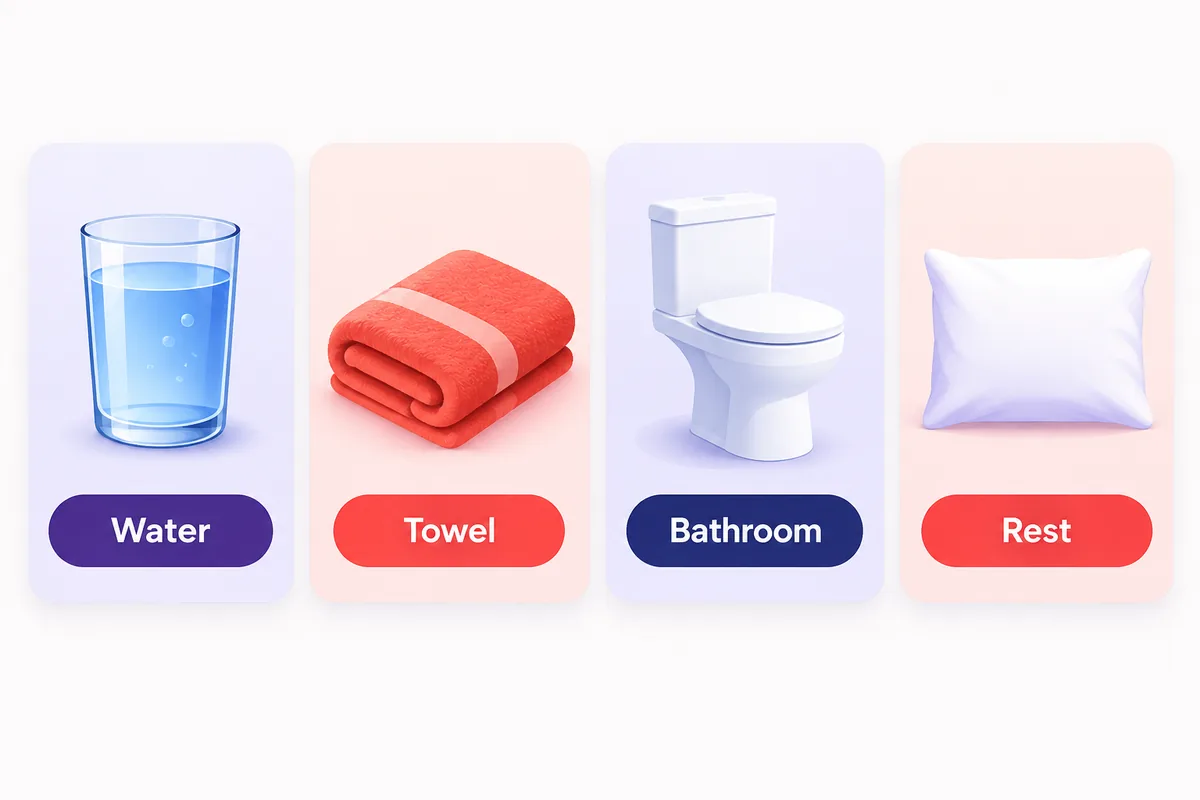
Pee, rinse, and skip the douche
Peeing after sex is the classic advice, and the evidence behind it is mixed. A 1996 study of 819 women found that urinating within an hour after sex did not significantly predict UTI risk. A 2000 study also found no link, and both studies tied spermicide use to higher risk. Many guidelines still recommend it, and one pelvic health physiotherapist suggests not waiting an hour or more. Sex researcher Debby Herbenick’s take is that it can’t hurt and might help. If you get UTIs again and again, see a specialist.
For washing, less is more. The vagina cleans itself and clears semen and other fluids on its own. Rinse the vulva, the outer area, with water or a mild unscented wash, and keep soap out of the vagina. Skip douching, which the American College of Obstetricians and Gynecologists advises against. Medical News Today reports that women who douche are five times more likely to develop bacterial vaginosis, a common vaginal infection. A study of 739 women also linked douches to higher levels of phthalates, chemicals that can disrupt hormones.
Penises need a wash too, since washing after sex can help prevent infections. If you are uncircumcised, clean under the foreskin as well.
Cleaning up after anal sex and toys
After anal sex, shower and wash the anal area. Do not go straight from anal to vaginal penetration. That can carry harmful bacteria into the vagina, so use fresh protection or clean up first. Toys follow the same logic. Wash them after each use as the maker recommends, and let them dry before you put them away.
If the condom broke or slipped
Before you settle in, check the condom. A visible rip, semen leaking out, or a condom left inside the vagina all count as a condom mistake. If pregnancy is possible, emergency contraception can still help, but it has to be used within 5 days, and sooner works better. Cleveland Clinic notes that Plan B works best within 72 hours.
A broken condom can also pass on STIs, and most people with one have no symptoms, so get tested. Ask for throat or rectal swabs if you had oral or anal sex. If you think you were exposed to HIV, seek care fast, because PEP must start within 72 hours.
Water, food and soreness
Rehydrating is part of aftercare in its own right. A glass of water by the bed makes it easy, and drinking it also helps you pee afterwards. Some people feel sore after sex, and pain relief such as ibuprofen can ease swelling. A good lubricant next time reduces friction and irritation, especially when dryness comes from hormonal changes.
See a doctor for discharge that smells strong or turns yellow or green. The same goes for burning, itching, swelling or pain that does not settle.
Emotional aftercare ideas
Emotional aftercare is whatever helps you and your partner feel safe, close and settled after sex. For most people that means some combination of physical touch, honest conversation and rest.

Closeness and touch
Swell, a sexual health resource, lists the usual options: cuddling, talking, sensual touching, showering together, and hanging out with a movie. A massage counts too. Small comforts go a long way here, because a blanket, a glass of water, a snack or a warm towel all tell someone they are being looked after. Some people simply like to stay naked together for a while before getting up.
Talking it through
The minutes after sex are a good time to say what you liked and what you would change, while the details are still fresh. Keep the tone warm. Lead with what felt good before you raise anything you would like to do differently next time.
Reassurance belongs in this conversation as well. Spending relaxed, nonsexual time together after sex can reassure a partner that they are valued as a whole person. Check-ins can also continue into the next day. Feelings sometimes take a while to process, and a message the following day can help a partner feel supported and validated.
When one partner wants space
Some people would rather not cuddle at all. They need quiet, a shower alone or sleep, and in one study of men with post-sex blues, some said they did not want to be touched afterwards.
Needing space is a personal preference, and it says nothing bad about the partner. The real risk is that the other person reads the space as rejection. Agree on it ahead of time: you might explain that you need a few minutes to yourself and will come back to bed afterwards. A short, affectionate check-in before the break keeps the other person from guessing.
Aftercare after BDSM and intense scenes
After BDSM, aftercare carries more weight, because the physical and emotional highs of a scene run higher and the drops that follow can be steeper. BDSM can involve pain, humiliation or injuries, so aftercare covers both comfort and first aid.
Sub drop and top drop
Sub drop is a low that hits a submissive or bottom after an intense scene. Sexologist Gloria Brame describes it as feeling ecstatic one minute and miserable the next, as the energy high wears off. Dominants and tops can drop as well, which is often called top drop. The symptoms look like a short bout of depression: tiredness, sadness, anxiety and self-doubt.
Timing varies. Drop can last anywhere from an hour to several days after a scene. One theory holds that a drop right after a scene is a hormonal comedown, while a later one comes from a sense of loss. Drop is common, though plenty of people never feel it.
Checking in the next day
Because drop can arrive late, kink aftercare often runs past the night of the scene. One dominant interviewed by Brame says some of his partners drop the following day and one at 36 hours. Dominants in her piece schedule check-ins and avoid intense play when they cannot be around afterwards. Water and protein after the scene and a clear end to the play also help. If the scene left marks or small wounds, tending them is part of the care.
Aftercare for casual sex, new partners and solo sex
The right aftercare after sex depends on who you were with and how well you know them. Most published advice assumes a long-term, committed couple, so the table below shows how the same basic ideas adapt to other situations.
| Situation | Physical care | Emotional care | Follow-up |
|---|---|---|---|
| Long-term partner | Pee, rinse, water, maybe a shared shower | Cuddling, talk about what felt good | A check-in the next day if the sex was new or intense |
| New partner | Offer a towel, water and the bathroom first | Ask what they usually like afterwards | A short, friendly message the next day |
| Casual partner or hookup | Pee, rinse and drink water before you head off | A kind word and a clear, friendly goodbye | Swap contact details if you both agree, for STI contact tracing |
| Kink scene | Water, protein, care for marks | Blankets, holding, reassurance | Check-ins over the following day or two |
| Solo sex | Wash up, drink water, rest | A warm shower, a book, a comfort snack | Call a friend if you feel low |
Casual sex still deserves aftercare. With a hookup there often is no time for a long talk, and Swell points out that aftercare can be short. A minute spent asking whether the other person is okay still counts. So does a glass of water and a goodbye that leaves both people feeling respected.
Solo aftercare is real too. Some people feel cold, tired, vulnerable or sore after sex, and you can plan for that yourself. Have snacks ready at home, take a warm shower, or invite a friend over if you feel lonely. The same habits help after masturbation or after a partner has left for the night.
How to ask for the aftercare you want
The easiest time to ask for aftercare is before sex, when nobody feels exposed or vulnerable. Here’s how to do it:
- Work out what you want. Think about what usually helps you feel good afterwards, such as being held, talking, quiet, a snack or a shower. You are ready when you can name one or two specific things.
- Bring it up before sex. Ask a simple question, such as whether your partner likes to cuddle afterwards or prefers to get up and shower. Then share your own answer. In kink, negotiating a scene ideally includes planning the aftercare, and the same habit works for anyone.
- Ask in the moment if you missed the chance. Say what you need right after sex, whether that is water, a hug or a few quiet minutes. Your partner then knows what to do instead of guessing.
- Check in later. Send a message the next day to ask how your partner is feeling. Their reply tells you whether anything needs a longer, more careful conversation.
- Adjust over time. Needs change with mood, partner and the kind of sex you had. Revisit the conversation every so often, and pay attention to what makes both of you feel cared for.
Frequently asked questions
Is it normal to cry after sex?
Yes. Crying, sadness or irritability after wanted sex is a recognized pattern called postcoital dysphoria. About one in three women in one student study had experienced it. In a survey of men, the figure was 41 percent. If it happens often, or comes with low mood the rest of the time, talk to a doctor or therapist.
Is it normal to feel emotional after sex?
Yes. Sex is an intimate experience that can bring up a complicated mix of feelings. You might feel close, giddy, tender, flat or tearful, sometimes all within a single evening. Aftercare gives those feelings somewhere to land, whether that is a cuddle, a talk or quiet time alone.
What is good aftercare?
Good aftercare is whatever both of you genuinely want and find comforting. For the body, that means water and a bathroom trip, plus a gentle rinse of the outside only. It looks after feelings with touch, talk or space. The best way to find yours is to ask before sex and adjust as you learn.
How should a woman clean up after sex?
Pee within a reasonable time, then rinse the vulva with lukewarm water or a mild, fragrance-free wash. Leave the inside of the vagina alone, since it cleans itself, and do not douche. Pat dry with a clean towel afterwards.
Why do I feel hungover after having sex?
Often the cause is ordinary, such as a late night, alcohol or not drinking enough water. Rehydrating and resting are part of good aftercare. More rarely, flu-like symptoms after ejaculation point to postorgasmic illness syndrome (POIS). Its symptoms include fatigue, feverishness and trouble concentrating, and they usually last 2 to 7 days. If you notice flu-like symptoms after ejaculation, talk to a healthcare professional rather than waiting it out.
The takeaway
Aftercare after sex can be as small as a glass of water and a kind word, or as structured as a full day of check-ins after an intense kink scene. The basics stay the same. Look after the body with a trip to the bathroom, a gentle rinse and some water, and look after the person with touch, conversation or space, whichever they need.
If the post-sex blues show up often, you are far from alone, and a doctor or therapist can help you understand what is behind them. Start small. Before the next time you have sex, ask your partner one question: what helps you feel good afterwards?
Related reading
- How to Prepare for Sex: Talking, Protection, Comfort and Hygiene
- How to Choose Lube: Water, Silicone or Oil?
- What Is Sexual Pleasure?
- The sexual response cycle
Sources
- What is sexual ‘aftercare’ and what does it mean for consent education? - The Conversation
- Sexual aftercare tips and why it is important - Medical News Today
- What to Know About Postcoital Dysphoria - WebMD
- The prevalence and correlates of postcoital dysphoria in women - Queensland University of Technology (International Journal of Sexual Health)
- Postcoital Dysphoria: Study examines why nearly half of women have suffered ‘post-sex blues’ - PsyPost
- Men also suffer from after-sex sadness or ‘post-coital dysphoria’, study finds - ABC triple j Hack
- Does Peeing After Sex Prevent Urinary Tract Infections? - Sex and Psychology (Justin Lehmiller, Kinsey Institute)
- A Guide To The Essentials of Post-Sex Hygiene - Ova Women’s Health Clinic
- What is a douche? Uses, safety, and alternatives - Medical News Today
- Study Shows that Douching May Expose Women to Harmful Chemicals - Women’s Health Research Institute
- What do I do if the condom broke? - Planned Parenthood
- What You Should Do if a Condom Breaks - Cleveland Clinic
- Aftercare - Swell
- Managing sub drop - Gloria Brame
- What Is Sub/Dom Drop in BDSM and Can It Be Avoided? - Bound Together
- postorgasmic illness syndrome - National Organization for Rare Disorders (NORD)