Aging and Libido: How Sexual Desire Changes With Age
How aging and libido connect for women and men: menopause, falling testosterone, illness, medicines and relationships, plus practical fixes and treatments.

General education, not medical advice. If something here worries you, talk with a clinician.
Table of Contents
Aging and libido are linked, but not in the simple way many people expect. Sexual desire often changes as the years pass, and for some people it fades. For others it stays steady or even grows. The number of birthdays is only one part of the story, and health often matters just as much.
What usually drives the change is something more specific. Menopause, slowly falling testosterone, chronic illness, everyday medicines, a long relationship and feelings about your body all play a part. Many of these causes can be eased or treated.
This guide explains what happens to desire in women and men over time, and what the research says about sex in later life. It also covers practical changes and medical treatments worth discussing with a clinician. For the wider picture, see our hub on what affects libido.
Does sex drive really decrease with age?
On average, sexual activity does fall with age, but far more slowly than the stereotype suggests. Many people stay sexually active far into old age.
What large surveys of older adults show
The best-known US data comes from a national survey of about 3005 adults aged 57 to 85, published in the New England Journal of Medicine. It found that 73% of people aged 57 to 64 had been sexually active in the past year. The figure was 53% for ages 65 to 74 and 26% for ages 75 to 85. Women reported less activity than men at every age.
Among people who were still active, frequency held up well. In the oldest group, 54% had sex at least two to three times a month.
Interest is also common. A University of Michigan and AARP poll of people aged 65 to 80 found that 40 percent were sexually active. Nearly two-thirds said they were interested in sex, and more than half said sex mattered to their quality of life.
Why health matters more than birthdays
The researchers behind the national survey concluded that sexual activity was tied more closely to overall health than to age. People who rated their health as fair or poor were much less likely to be active.
Having a partner matters too. At ages 75 to 85, 78% of men had a spouse or intimate partner, compared with 40% of women. Among partnered people who had stopped having sex, the most common reason was the male partner’s physical health. In other words, a drop in activity often reflects illness or circumstance rather than a loss of wanting.
How desire changes for women around menopause
Menopause can lower desire, raise it, or leave it unchanged. The Menopause Society notes that some women feel a sharp drop at midlife, some feel more interest, and others notice no difference at all. When desire does fall, the cause is often physical discomfort or poor sleep, not a switch turning off.
Estrogen, dryness and painful sex
After menopause, the ovaries make far less estrogen. Lower estrogen leaves the vaginal lining thinner and drier, which can make penetrative sex painful. Doctors call this cluster of genital and urinary symptoms genitourinary syndrome of menopause, or GSM.
GSM is common. Somewhere between 40% and 60% of postmenopausal women experience it, yet few seek treatment. In one survey, only 4% of women linked their vaginal symptoms to the loss of estrogen. The condition also tends to get worse over time without care.
Pain shapes desire. If sex has hurt the last few times, the mind starts to expect it, and interest drops to protect the body. In the national survey of older adults, lack of interest (43%) and trouble with lubrication (39%) were the two most common problems among sexually active women. Treating the dryness often brings some of the interest back.
Hot flashes, sleep and midlife life changes
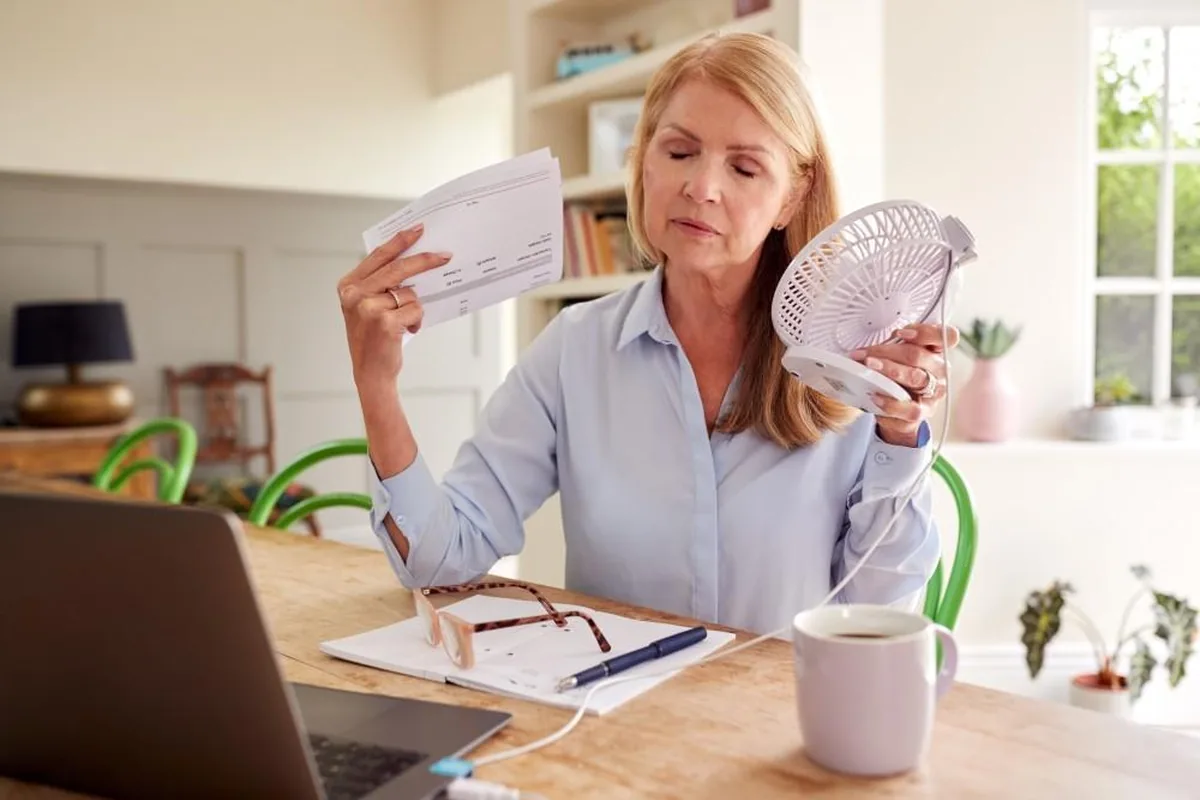
Hot flashes and night sweats break up sleep, and tired people tend to want rest more than sex. Midlife also brings heavy life changes. Divorce or dating, children leaving or moving back home, and caring for aging parents can all crowd out desire.
Hormones also interact with other factors. A woman’s past level of interest, her partner’s sexual health and her self-esteem all shape how she feels after menopause. Our guide to hormones and libido explains the hormone side in more depth.
How desire changes for men: testosterone and erections
Falling testosterone plays a part in some men’s lower desire, but rarely the whole part. For many men, erection worries and health problems matter more than the hormone itself.
A slow testosterone slope, not a cliff
The NHS calls “male menopause” a misleading label. Testosterone does not crash in midlife the way estrogen does at menopause. Instead it declines steadily, by about 1% a year from around age 30 to 40, which is unlikely to cause problems by itself.
Published estimates of that slope differ. A recent scientific review puts the drop in total testosterone for men aged 40 to 70 lower, at 0.4% a year. It found free testosterone, the portion the body can use right away, falls faster, at 1.3% a year. Either way, the change is gradual, though over decades it adds up for some men.
A smaller group develops late-onset hypogonadism, a specific condition where the testes make too little hormone. It is more likely in men with obesity or type 2 diabetes and is diagnosed with symptoms plus blood tests. It is a medical problem, not a normal stage of aging.
Erections, performance anxiety and avoidance
Among sexually active older men in the national survey, 37% reported erection difficulty. In the same survey, 28% reported lack of interest and 27% reported anxiety about performance, and many men had more than one of these problems.
These problems feed each other. A man who worries about losing an erection may start to avoid sex, and avoidance can look like low desire. About one quarter of older adults with a sexual problem said they avoided sex because of it. Treating the erection problem, or simply talking about it, can break that loop.
Chronic illness and medications
Long-term health conditions and the medicines that treat them are among the most common reasons desire fades in later life, and they become more common with each decade.
Conditions that drain desire
The National Council on Aging points to obesity, arthritis, diabetes and heart disease as conditions that can have a major effect on sexual function. Part of the effect comes from the illness itself, such as pain, stiffness or tiredness. Part comes from the side effects of the drugs used to treat it.
Diabetes is a clear example. In the national survey, women with diabetes were less likely to be sexually active, and men with diabetes were more likely to have erection trouble. Mood matters as much as the body. Depression and anxiety can flatten interest in sex, and so can the stress of managing a long illness.
Medicines that can lower libido
Harvard Health lists antidepressants such as SSRIs and SNRIs among the drugs most often tied to low libido. Other common culprits include:
- Beta blockers and diuretics for blood pressure or heart conditions, which may reduce blood flow to the genitals
- Antihistamines, which can dry vaginal tissue as well as the sinuses
- Opioid pain medicines, which can suppress hormones and cause fatigue
- Hormone blockers used in prostate and breast cancer treatment
- Statins and some acid reflux drugs, according to the National Council on Aging
There are often alternatives. The antidepressant bupropion does not typically cause libido problems. Among blood pressure drugs, ARBs are less likely than beta blockers to cause sexual problems. Untreated depression or high blood pressure also harms sexual health, so never stop or switch a medicine on your own.
Relationship length, stress and body image
Desire lives in the relationship and in the mind as much as in hormones, and both change over the years.
Long relationships and routine
Time with the same partner can quiet desire, especially for women. A Finnish study followed 2,173 women over 7 years. Women who stayed in the same relationship the whole time had the largest drop in desire. Women who found a new partner had a smaller drop, and single women’s desire stayed stable.
That study looked at younger women, so it does not describe older couples directly. Still, the researchers concluded that partner-specific factors shape women’s sexual function. Familiarity, unresolved conflict and old routines can matter at any age. The good news is that these factors can change, which age itself cannot.
Body image and feeling desirable
How you feel about your body affects how much you want to share it. In a study of 437 middle-aged women, those with a positive body image had better sexual function, including desire. About 58% of the women were satisfied with their body image.
Visible changes come with the years. Some women feel less desirable because of weight gain, sagging skin or thinning hair, and that can make them more inhibited with a partner. Men can feel the same pressure about weight, hair loss or strength. Self-consciousness pulls attention away from pleasure, which makes desire harder to reach.
Myths about aging and sex worth dropping
Low desire is not an inevitable part of getting older. Several common beliefs about sex in later life do not hold up against the evidence:
- Myth: older people don’t have sex. About a quarter of people aged 75 to 85 were sexually active in the national survey. More than half of those active people had sex two to three times a month or more.
- Myth: low desire is just part of getting old. Sexual activity in later life tracks overall health more closely than age. Changes in desire are also highly individual, and some people notice none.
- Myth: there is a normal amount of sex for your age. The Menopause Society says there is no normal frequency at any age.
- Myth: men go through a sudden male menopause. Testosterone falls slowly in most men, with no sudden midlife crash.
- Myth: your doctor will raise it if it matters. Only 38% of older men and 22% of older women had discussed sex with a physician since age 50.
Practical ways to maintain desire and sexual health
Small, practical changes often help more than people expect. None of them requires a prescription.
Talk about it before it becomes a standoff
When one partner wants sex less, silence tends to breed hurt feelings on both sides. The National Council on Aging advises explaining what you are going through and listening to your partner’s needs as well. Choose a calm moment outside the bedroom. Talk about what has changed, what still feels good, and what you miss.
Make sex comfortable again
Dryness and pain need attention first, because desire rarely survives discomfort. Lubricants reduce friction during sex, while vaginal moisturizers are used regularly, usually once or twice a week, to treat dryness itself. Perfumed or warming products can irritate, so try plain ones first.
Give arousal more time. Bodies often need a slower start in later life, and rushing can turn a good evening into a frustrating one.
Widen what counts as intimacy
Sex does not have to mean intercourse. Massage, foreplay, holding hands and cuddling all count as intimacy and can rebuild closeness. Taking pressure off a single goal often lets desire return on its own terms.
General health supports sexual health. Regular exercise, good food, stress management and plenty of sleep can raise energy and confidence. Limiting alcohol and quitting smoking also help the body respond.
Treatments to ask a clinician about
When self-help is not enough, several medical treatments can help. The right one depends on the cause, so a proper assessment comes first. The table below summarizes the main options.

| Treatment | Who it is for | What the evidence shows |
|---|---|---|
| Low-dose vaginal estrogen | Women with dryness or painful sex after menopause | Effective for persistent GSM symptoms; comes as a cream, tablet or ring |
| Vaginal DHEA or oral ospemifene | Women with moderate to severe painful sex from GSM | Both are FDA-approved for this use |
| Flibanserin | Women with distressing low desire | Approved in 2015 for premenopausal women and extended to postmenopausal women under 65; can cause very low blood pressure and fainting, especially with alcohol |
| Bremelanotide | Premenopausal women with distressing low desire | Approved for low desire in premenopausal women |
| Testosterone for women | Perimenopausal and postmenopausal women with low desire | May help; acne and facial hair growth can occur, and long-term risks are still being studied |
| Testosterone for men | Men with confirmed low testosterone and symptoms | Improved libido in a trial of men 65 and older |
| Medicine review | Anyone whose desire dropped after starting a drug | Dose, timing or drug can often be changed |
Flibanserin’s newest approval came in January 2026, when the FDA extended it to postmenopausal women younger than 65 with hypoactive sexual desire disorder. The trials behind that decision showed small but significant improvements. The pill has real safety limits. It can cause very low blood pressure, dizziness and fainting, and drinking alcohol around the same time raises that risk. Some other medicines and herbal products also interact with it, so a full medicine list matters before starting.
For men, the Testosterone Trials gave testosterone gel or a placebo to 470 men aged 65 or older with low testosterone. The treated men improved in libido and in 10 of 12 measures of sexual activity. That trial was not large enough to judge heart or prostate risks, so testosterone is for men with a confirmed deficiency, not a general booster.
Counseling or sex therapy is also worth asking about, alone or alongside medicine. Treating a partner’s sexual problem can improve a woman’s satisfaction too.
Frequently asked questions
Is no sex after 60 normal?
It can be. The Menopause Society says there is no normal frequency of sex at any age. If a couple feels close and loving and neither partner is unhappy, a sexless stretch is not a problem. It becomes worth addressing when it causes distress or tension, or when you want more and something is getting in the way.
Why do I feel hornier as I get older?
Some people do feel more desire at midlife, and that is normal. Possible reasons include less stress about pregnancy, more privacy once children leave, and more confidence about what you enjoy. A rise in desire is simply one of the ways people change with age, and it is nothing to worry about.
At what age does sex drive start to decline?
There is no fixed age. The National Council on Aging says women often notice a drop in their late 40s and early 50s, while men may not until their 60s or 70s. The change is very individual, and some people notice no difference at all.
Is there a pill to increase women’s libido after menopause?
Yes, for some women. In January 2026 the FDA extended flibanserin, a daily nonhormonal pill, to postmenopausal women under 65 with hypoactive sexual desire disorder. Its benefits in trials were small, so it suits women whose low desire causes real distress. It can cause very low blood pressure and fainting, especially with alcohol, so it needs a careful talk with a prescriber. A clinician can also check for dryness, mood or medicine causes first.
Why am I suddenly not interested in sex anymore?
A sudden or large drop in desire deserves a check-up to rule out health or medicine causes. A new prescription, depression, a flare of chronic illness or relationship stress are common triggers. Low desire that lasts six months or more and causes distress has a medical name, hypoactive sexual desire disorder, and it can be treated.
The bottom line
Aging changes libido for many people, but it does not decide it. In later life, health, hormones, medicines, relationships and self-image all shape desire, and age is only one piece of that picture. Many of those factors can be changed.
If your sex drive has shifted and you are content, there is nothing to fix. If it bothers you or your partner, start with an honest conversation, then make sex more comfortable and widen what intimacy means. When that is not enough, ask a clinician to review your medicines and check for treatable causes. Plenty of people in later life still enjoy a sex life that suits them.
Related reading
- What Affects Libido? The Main Factors That Raise or Lower Sex Drive
- Hormones and Libido: How Each Hormone Affects Desire
- What Is a Healthy Sex Life? Communication, Satisfaction, Safety and Choice
- What Does a Sex Therapist Do? Who They Are, What Sessions Look Like, and How to Find One
Sources
- A Study of Sexuality and Health among Older Adults in the United States - New England Journal of Medicine (via PubMed Central)
- Two-Thirds of Older Adults Are Interested in Sex, Poll Says - AARP
- First comprehensive national survey charts sexual behavior among older adults - UChicago Medicine
- Sexual Health - The Menopause Society
- Genitourinary syndrome of menopause: Common problem, effective treatments - Cleveland Clinic Journal of Medicine
- The ‘male menopause’ - NHS
- Age-related testosterone decline: mechanisms and intervention strategies - Reproductive Biology and Endocrinology (via PubMed Central)
- Why is My Sex Drive So Low? - National Council on Aging
- Is your medication killing your sex drive? - Harvard Health Publishing
- A change in libido could be from your medication - Ohio State Wexner Medical Center
- Long-term relationships may reduce women’s sex drive - Medical News Today
- The Relationship Between Body Image and Sexual Function in Middle-Aged Women - Electronic Physician (via PubMed Central)
- Flibanserin Now Approved for Postmenopausal Women with Low Sexual Desire - NEJM Clinician
- Flibanserin: MedlinePlus Drug Information - MedlinePlus (U.S. National Library of Medicine)
- Testosterone Therapy Improves Sexual Interest, Function in Older Men - Endocrine Society