Asexual vs Low Libido: How Attraction and Desire Differ
Asexual vs low libido explained: how sexual attraction differs from desire and arousal, why asexual people can have a libido, and when low desire needs care.

General education, not medical advice. If something here worries you, talk with a clinician.
Table of Contents
The short answer to asexual vs low libido is that the two describe different things. Asexuality is a sexual orientation: it describes feeling little or no sexual attraction to other people. Low libido is a level of sexual desire, and that level can rise and fall over a lifetime.
The two can overlap, which is why people mix them up. An asexual person can have a sex drive, and someone with a low drive can still feel strongly attracted to a partner.
This guide explains how attraction, desire and arousal differ. It also covers what tends to lower libido, some questions that can help you sort out your own experience, and when low desire is worth raising with a clinician. No label here is a diagnosis, and you get to decide which words fit you.
What asexuality and low libido each mean
Asexuality is about who, if anyone, you are sexually drawn to. Low libido is about how much you want sex. One is a stable part of identity for most people who use it, and the other is a level that shifts.
Asexuality is an orientation
The Asexual Visibility and Education Network (AVEN) describes an asexual person as someone who does not experience sexual attraction and is not drawn to people sexually. AVEN also separates it from celibacy. Celibacy is a choice to avoid sex, while asexuality is part of who someone is, much like any other orientation.
The Trevor Project calls asexuality a valid, natural sexual orientation. It treats “ace” as an umbrella term for a spectrum. Some ace people feel no sexual attraction, and others feel a little or feel it only in unusual ways. Two common identities on that spectrum are demisexual, meaning attraction appears only after a strong emotional bond, and gray-asexual, somewhere between sexual and asexual.
None of this is an illness. The LGBTQ Center at UNC-Chapel Hill states that asexuality is an identity and orientation, and that sexual attraction is not needed for a person to be healthy. AVEN cites roughly 1% of the population as the most widely quoted estimate, while noting that the figures are limited. For a fuller introduction, read our guide on what asexuality is.
Low libido is a level of desire
Libido simply means sex drive, or how much you want sex. Cleveland Clinic describes low libido as feeling less interested in sex than you used to, either for a short time or for longer. It is common, affecting up to 1 in 5 men and even more women at some point in life.
There is no correct amount of desire. The Victorian government’s Better Health Channel says there is no right or wrong level of libido, and that it normally goes up and down. It also notes that you do not need professional help unless you are worried about your drive or it is causing problems with a partner. So a low drive is only a “problem” if it bothers you or strains your relationship. Desire also comes in two styles. Some people feel a spontaneous urge, while others feel a responsive one that shows up once intimacy starts. Responsive desire can look like low libido, or even asexuality, when it is neither.
Attraction, desire and arousal are three different things
Yes, you can get aroused or masturbate and still be asexual. That surprises many people, and it makes sense once you split sexuality into three separate parts.
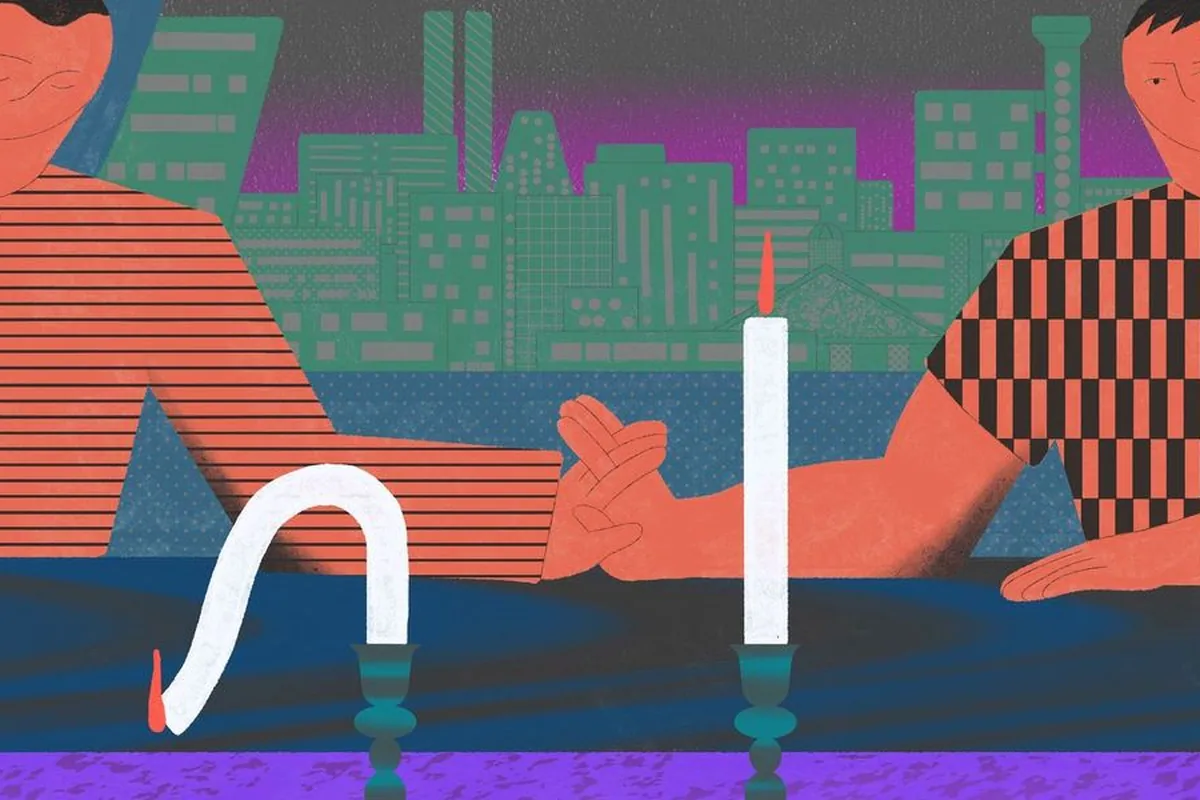
How the three terms differ
Attraction is being drawn to a specific person. UNC’s LGBTQ Center defines sexual attraction as the kind that makes someone want sexual contact with another person. People can also feel romantic, aesthetic or sensual attraction without the sexual kind.
Desire, or libido, is wanting sexual activity in general. It does not have to point at anyone. You can feel a general urge without a person in mind.
Arousal is the body’s physical response, such as genital blood flow or wetness. AVEN notes that arousal can follow hormone cycles or happen at certain times of day, with no link to wanting a partner.
Orientation is about the pull toward other people. AVEN puts it plainly: sexual orientation is about attraction and desire toward other people, rather than physical reactions. Low libido, by contrast, is about general desire, whether or not it points at anyone.
Asexual people can have a libido
Some asexual people have regular arousal. AVEN says that for some, arousal is a fairly regular event with no wish for a partner. It adds that some masturbate now and then but feel no desire for partnered sex, while others have little or no arousal at all. Both groups count as asexual.
Research backs this up. A study in Archives of Sexual Behavior surveyed 1041 people on the ace spectrum in Italy. Most of them reported feeling sexual desire, against the stereotype that ace people feel none. Asexual participants reported the lowest desire for partnered sex, yet the groups did not differ in how often they masturbated. The authors read this as support for keeping desire and attraction to others apart.
UNC adds that an asexual person may choose to have sex for many reasons, even without sexual attraction. So neither arousal nor sexual activity settles the question. The better clue is whether you feel drawn to people sexually.
Key differences between asexuality and low libido
The clearest way to compare the two is to line them up against the same questions. Keep in mind that the rows describe general patterns, and real people often sit between columns.
| Question | Asexuality | Low libido |
|---|---|---|
| What it describes | A sexual orientation | A level of sexual desire |
| Sexual attraction to others | Little or none | Not part of the definition, which is about desire |
| Sex drive | Ranges from none to regular | Lower than before or than you want |
| Does it change? | Usually stable over life | Often goes up and down |
| Is distress part of it? | Usually no distress about it | Varies; distress matters for diagnosis |
| Is it a medical condition? | No, it is an identity | Only if persistent and distressing |
| Does treatment apply? | No treatment is needed | The cause can often be treated |
WebMD draws the line in similar terms. It describes asexual people as lacking sexual attraction without feeling distress about it, and uses “hyposexual” for low desire that does cause distress. It also says that if a lack of interest in sex does not concern you or your partner, it is not a disorder.
Two people with the same quiet sex life can land in different rows. Suppose one has never felt drawn to anyone and is content. Another felt strong attraction to a partner for years, then lost interest after starting a new medicine and misses it. The first pattern fits asexuality, and the second fits a drop in libido.
What can lower libido
A drop in libido usually has a reason, and often more than one. The NHS notes that there are many possible causes, and that treating the cause should help your drive return. This is one of the clearest differences from asexuality, which has no cause to fix.

Body and medication causes
Hormones play a large role. The NHS lists lower hormone levels with age, especially around menopause, plus pregnancy and having a baby. Cleveland Clinic adds low testosterone in men and some hormonal birth control methods.
Medicines are a common and easy-to-miss cause. The NHS names blood pressure drugs and antidepressants. Cleveland Clinic also lists antipsychotics and chemotherapy drugs. Long-term conditions can lower drive as well, including heart disease, diabetes, an underactive thyroid and cancer.
Everyday habits count too. Heavy drinking can lower desire. Cleveland Clinic notes that smoking and getting either too much or too little exercise can also play a part.
Mind and relationship causes
Stress, anxiety and depression are among the main causes the NHS lists. Cleveland Clinic says it is quite common for people with depression to have low desire or none at all. Treatment can complicate this. One study it cites found that between 37% and 65% of people with depression developed sexual side effects from antidepressants.
The illness itself matters as well. Harvard Health reports that about 35% to 50% of people with untreated major depression have some sexual difficulty before any treatment. So a drop in desire may come from the low mood, the medicine, or both.
Relationships shape desire too. Better Health Channel lists relationship problems, tiredness, a busy life and past trauma among the reasons drive can fall. None of these causes changes who you are attracted to, which is part of what separates low libido from an orientation.
Questions that can help you tell the difference
Only you can decide which description fits, but a few honest questions can point the way. Treat them as prompts for reflection, since no list can label you.
Questions to ask yourself
- Have you ever felt sexually drawn to a specific person? Wanting closeness, romance or cuddles is different from wanting sexual contact with someone.
- Has your interest changed from what is normal for you? A drop from your own baseline points toward libido. A lifelong pattern of no sexual attraction points toward asexuality.
- Did the change line up with something else? Think about a new medicine, a birth, menopause, a hard stretch at work, or low mood.
- Does it bother you, or does it mostly bother other people? Feeling fine about it while a partner is unhappy is a different situation from missing the desire yourself.
- Does the word “asexual” bring relief or recognition? Many people describe that sense of fit when they first read about asexuality.
Your answers do not have to be neat. Some people find both things are true: they are on the ace spectrum and their drive has also shifted for another reason.
Why there is no test
No blood test, scan or online quiz can assign an orientation. AVEN states that there is no test to determine whether someone is asexual. If the word helps you describe yourself, you can use it. If you later find it does not fit, that is fine too.
The Trevor Project takes the same view. It says that whether you are asexual is up to you, that nothing is set in stone, and that you do not need a label until you are ready. Low libido, on the other hand, can be checked. A clinician can look for medical causes such as hormone changes or medicine side effects.
When low desire is worth raising with a clinician
Low desire is worth raising with a clinician when it bothers you or marks a change from your normal. The same goes if it might be linked to a medicine or health problem. A lifelong lack of sexual attraction that you feel fine about does not need treatment.

What HSDD means
Hypoactive sexual desire disorder (HSDD) is the clinical name for persistent low desire that causes distress. The DSM-5, the main psychiatric manual in the US, describes the male form as a persistent or recurring lack of sexual thoughts, fantasies and desire for sexual activity. For women, the current DSM-5 term is female sexual interest/arousal disorder.
Three conditions matter for either diagnosis. Symptoms must last at least six months, cause clinically significant distress, and not be better explained by another condition. Having less desire than your partner is not enough on its own. The American Sexual Health Association stresses the distress part, noting that some people with a low libido feel no distress at all.
The DSM-5 also excludes asexuality. If a lifelong lack of desire is better explained by identifying as asexual, the diagnosis is not made. The ace education site Asexuality Archive points out a gap, though: the exclusion relies on self-identification, so it may miss people who have never heard the word.
HSDD is fairly common. Using the older HSDD label for women, the University of Colorado’s women’s health center puts it at about 10% of women, and notes that men can be affected too.
Signs it is worth booking a visit
Consider talking to a doctor, nurse or sex therapist if:
- your desire has dropped and you miss it
- low desire is hurting your well-being or your relationship
- you think a medicine or hormonal contraception is affecting your drive
- your drive has not returned after pregnancy
- you also notice low mood, pain during sex, or other new symptoms
A clinician will usually ask about your health, medicines, mood and relationships, and may order tests if a medical cause seems likely. Treatment depends on the cause. Options include changing a medicine, hormone therapy, and individual, couples or sex therapy.
If you are asexual and content, you do not need any of this. Asexuality is an identity, and nobody should push you to treat it.
Frequently asked questions
Am I asexual or is my libido just low?
Start with attraction. If you have rarely or never felt sexually drawn to anyone, asexuality may describe you. If you feel attraction but want sex less than you used to, that sounds more like low libido. Some people fit both. No test can decide for you, so give yourself time and use whichever words feel right.
Can an asexual person have a high libido?
Yes. Libido and attraction are separate, so an asexual person can have regular arousal and still not want sex with a partner. A large survey of ace-spectrum adults found that most reported sexual desire, and that masturbation was common across the spectrum. Having a drive does not cancel an asexual identity.
Am I asexual or depressed?
Depression often lowers desire. Cleveland Clinic says it is quite common for people with depression to have little or no interest in sex. One clue is timing: depression usually brings a change from how you felt before, along with low mood and lost interest in other things. If that sounds familiar, talk to a clinician about your mood first.
Can asexuality be treated?
No. Asexuality is an orientation and identity, not a medical condition, so there is nothing to treat. The DSM-5 rules out a desire disorder diagnosis when a lifelong lack of desire is explained by asexual identity. Low desire that distresses you is different. It can often be helped once the cause is found.
The bottom line
These two terms answer different questions. Asexuality is about whether you feel sexual attraction to others. Libido is about how much you want sex, and it can change with health, stress, medicines and life events.
Both are valid experiences, and they can exist in the same person. If you lack attraction and feel at peace with it, there is nothing to fix. If your desire has dropped and you miss it, or it worries you, a clinician can help look for a cause. Either way, the label is yours to choose, change or skip.
Related reading
- What Is Asexuality? Meaning, Spectrum, Myths and Research
- Sexual Attraction vs Romantic Attraction: How They Differ
- What Affects Libido? The Main Factors That Raise or Lower Sex Drive
- Spontaneous vs Responsive Desire: How Wanting Sex Really Starts
Sources
- Overview - The Asexual Visibility and Education Network (AVEN)
- Understanding Asexuality: FAQs & Supportive Resources - The Trevor Project
- Asexuality, Attraction, and Romantic Orientation - UNC-Chapel Hill LGBTQ Center
- Low Libido (Low Sex Drive) Causes & Treatment - Cleveland Clinic
- Libido - Better Health Channel, Victoria State Government
- Deepening Sexual Desire and Erotic Fantasies Research in the ACE Spectrum: Comparing the Experiences of Asexual, Demisexual, Gray-Asexual, and Questioning People - Archives of Sexual Behavior (via PubMed Central)
- Guide to Hypoactive Sexual Desire Disorder (HSDD) - WebMD
- Low sex drive (loss of libido) - NHS
- Depression & Sex: Diagnosis, Treatment & Prevention - Cleveland Clinic
- Sexual side effects of SSRIs: Why it happens and what to do - Harvard Health Publishing
- Low Sexual Desire and Male Hypoactive Sexual Desire Disorder - European Association of Urology Guidelines
- Sexual Dysfunction Disorders - Lumen Learning, Abnormal Psychology
- Hypoactive Sexual Desire Disorder (HSDD) - American Sexual Health Association
- Asexuality in the DSM-5 - Asexuality Archive
- Hypoactive Sexual Desire Disorder (HSDD) in Women - University of Colorado Anschutz Medical Campus, Center for Women’s Health Research