Can You Be Demisexual and Bisexual, Pansexual, Gay or Straight?
Yes: demisexuality describes when attraction can happen, while gay, straight, bi and pan describe who. See how each combination can feel in practice.
General education, not medical advice. If something here worries you, talk with a clinician.
Table of Contents
You can be demisexual and bisexual, pansexual, gay, lesbian or straight, because these labels answer different questions. Demisexuality describes when sexual attraction can happen: only after a close emotional bond has formed. Gay, straight, bi and pan describe who that attraction can point toward, in terms of gender.
So a woman who only ever feels drawn to men she knows deeply can call herself a straight demisexual. A person who bonds with friends of any gender before feeling anything sexual might say demi-pan. If you want the full definition first, start with our guide to what demisexuality is. This page covers the combinations: what each one can feel like day to day, why pan and demi get mixed up, and the myths demisexual people hear.
When attraction happens vs whose gender matters
Every label in this article answers one of two questions. Demisexual answers a timing question: under what conditions can sexual attraction show up at all? Gay, lesbian, straight, bi and pan answer a direction question: which genders can that attraction point toward? Healthline makes the same split, noting that most orientation labels refer to gender while demisexual refers to your relationship with the person.
Because the questions are separate, the answer to one does not limit the other. Stonewall notes that people often pair demi with gay, bi, lesbian, straight or queer to show the direction of their attraction.
| When attraction happens | Whose gender matters | |
|---|---|---|
| The question it answers | Does attraction need a bond first? | Which genders can I be attracted to? |
| Labels on this axis | Demisexual, graysexual, asexual, allosexual | Straight, gay, lesbian, bisexual, pansexual |
| A typical answer | “Only after I know someone deeply” | “People of more than one gender” |
| What it says nothing about | Which genders you are drawn to | How quickly attraction shows up |
GLAAD’s media guide supplies the terms on each side. Bisexual means attraction to more than one gender, pansexual means attraction regardless of gender, and allosexual simply means someone who feels sexual attraction and is not asexual.
The two-axis view also shows where demisexuality sits on the wider map. GLAAD and Stonewall both place it under the asexual, or ace, umbrella, because attraction appears only in certain situations. Some demisexual people feel at home under that umbrella and some do not. Romantic attraction can be split out as a third question too, which our explainer on sexual vs romantic attraction walks through.
Planned Parenthood frames sexual orientation as being about who you are attracted to, and says only you can decide which label fits. Treat the table as a sorting tool for your own experience, nothing more.
Can you be demisexual and pansexual?
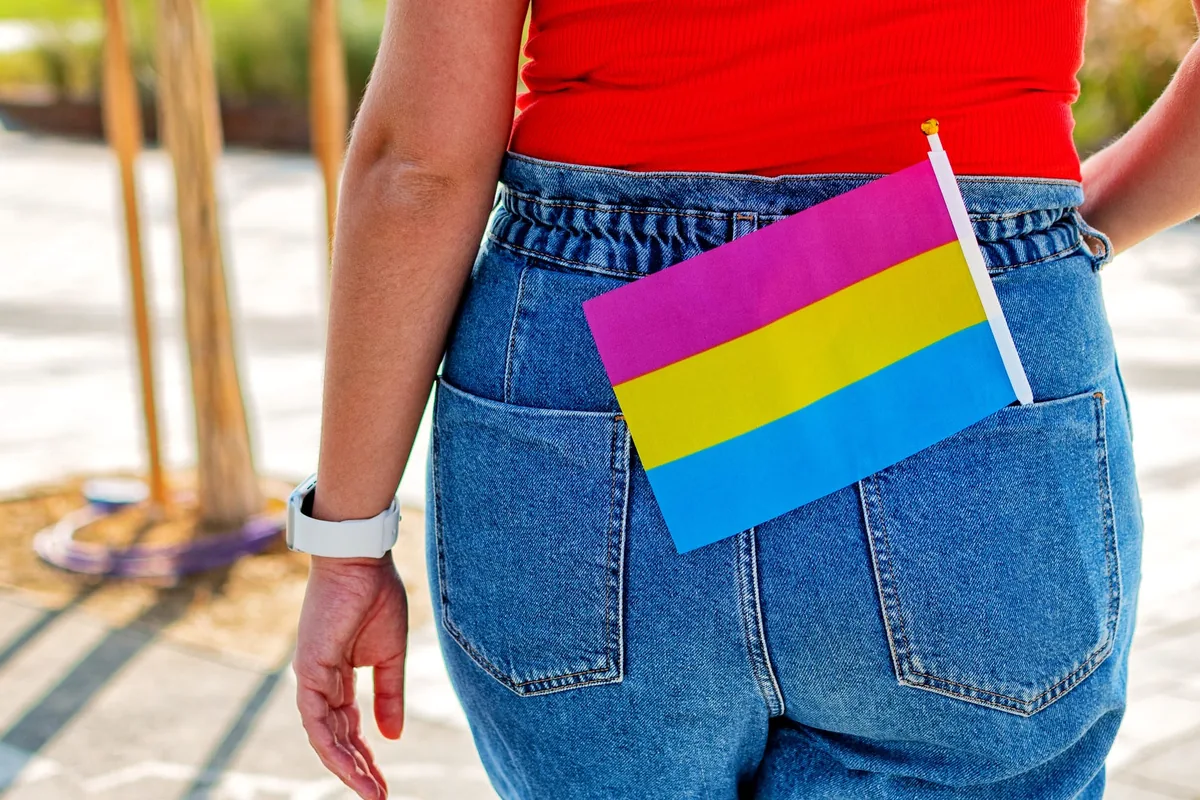
You can. A demi-pan person can feel sexual attraction to people of any gender, but only once a close emotional bond is in place. WebMD states directly that a person can be both demisexual and pansexual.
What demi-pan attraction can feel like
Here is a hypothetical. Sam has a small circle of close friends: a man, a woman and a nonbinary person. Over several years, Sam realises they feel sexual attraction toward two of them. Gender never decided anything. The depth of each friendship did. Meanwhile, strangers on a night out spark nothing sexual at all, whatever their gender.
That pattern sits at the heart of demi-pan life. The Human Rights Campaign defines pansexual as having the potential for attraction to people of any gender. The word potential matters here. For a demi-pan person, the bond is what turns potential into actual attraction. Even then, a bond does not guarantee anything, since demisexual people are not attracted to everyone they feel close to.
From the outside, Sam might look like someone who “only dates friends.” From the inside, it feels more like attraction switching on slowly, long after the friendship has settled in.
Where demi-pan people often find words
Some people say demi-pan or demisexual pansexual. Others split sexual and romantic attraction, so they might be demisexual and panromantic, meaning their romantic attraction is not limited by gender. The two halves do not have to match. WebMD notes that most demisexual people also call themselves demiromantic, but one can exist without the other. Pick the combination that matches how your attractions actually behave.
Can you be demisexual and bisexual?
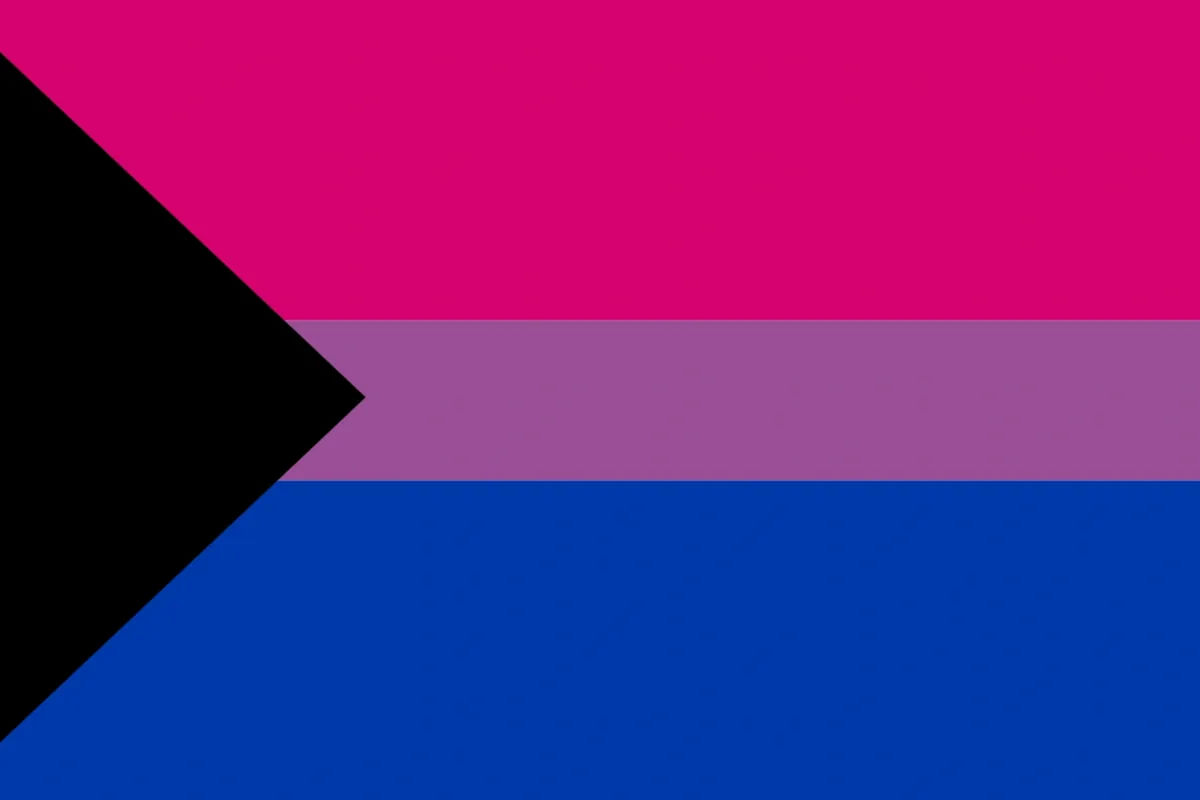
Absolutely. Being demi-bi means you can be attracted to more than one gender, and that attraction develops only once you are emotionally close to someone. Neither definition rules out the other.
What demi-bi attraction can look like
Imagine a hypothetical woman named Priya. In her twenties she fell for a close male friend from university. Years later, she felt drawn to a woman she had worked beside and trusted for a long time. Between those two bonds came long stretches with no sexual attraction to anyone.
On paper, that history might look like “mostly straight, with one exception.” It reads more accurately as demi-bi: attraction to more than one gender, each time after a deep bond. Long gaps make sense for someone like Priya. Bonds deep enough to spark attraction may come along only a handful of times in a life.
When the bond works differently by gender
Bisexual attraction does not have to be equal. GLAAD’s definition says attraction to more than one gender need not happen at the same time, in the same way, or to the same degree. The Bisexual Resource Center adds that bi people may feel different kinds of attraction to different genders, and that this can shift over time.
So a demi-bi person might need a much deeper bond with one gender than another. They might feel romantic pull toward women and sexual pull mostly toward men. None of this cancels the bi label.
A frequent worry sounds like this: “Am I really bi if it has only happened twice?” A short list of experiences does not settle the question. GLAAD notes that bisexual people need not have had any sexual experience at all to call themselves bisexual.
Can you be demisexual and straight?
Straight and demisexual sit together without any conflict. A straight demisexual person is attracted only to people of a different gender, and only after an emotional bond forms. WebMD calls it a misconception that demisexual people must be LGBTQ, pointing out that they can also be straight.
When attraction runs on a slower clock
Take a hypothetical woman, Dana, who has only ever been attracted to men. On dating apps she swipes through photos and feels nothing. Friends describe instant chemistry on first dates, and she cannot relate. Then, after a year of friendship with a coworker, attraction shows up for the first time in ages. Her direction, toward men, fits the straight label. Her timing fits demisexual.
The friction tends to come from dating scripts. Mainstream dating advice often assumes attraction comes first and closeness follows. For a straight demisexual person, the order runs the other way. WebMD suggests meeting people through friendship first, or telling a date early that you need a strong bond before anything sexual. Saying it early spares both people a lot of guessing.
Where straight demis fit in queer spaces
That depends on the person. Because demisexuality sits under the ace umbrella, many LGBTQ+ groups include it. The Trevor Project, for example, lists demisexual among the identities on the asexual spectrum in its LGBTQ+ youth resources. Its research also notes that not everyone who is asexual wishes to be part of the LGBTQ community.
A straight demisexual person can claim that space, keep some distance from it, or sit somewhere in between. Any of those is a reasonable choice.
Can you be demisexual and gay or lesbian?
Both combinations exist. A demi gay man is attracted to men, and only after a bond forms. A demisexual lesbian is attracted to women in the same bond-first way. Stonewall notes that people may use gay or lesbian alongside demi to show who they are drawn to.
Two hypothetical stories: Marcus and Jo
Consider a hypothetical man, Marcus, who knew he was gay as a teenager. What confused him for years was that he never felt the pull his gay friends described when a handsome stranger walked past. His attraction had only ever shown up for two men, both close friends first. The word demisexual gave him a way to explain that second half of his story without doubting the first.
A second hypothetical: Jo, a demisexual lesbian, has a long friendship with another woman. Over several years, the trust, the inside jokes and the history of showing up for each other slowly turn into sexual attraction. It surprises her. Jo’s attraction never points toward men, bonded or not, so lesbian still fits. Demisexual describes the slow route her attraction takes to get there.
When dating spaces move faster than the bond
Some gay and lesbian dating spaces, especially apps built around photos and quick meetups, can feel designed for fast attraction. A demi gay man or demisexual lesbian may feel out of step there, even inside their own community. WebMD notes that some dating sites now let users list demisexual as an identifier, and that messaging before meeting can help a connection form.
Slower settings help too. LGBTQ+ book clubs, sports teams and volunteer groups create the repeated, low-pressure contact that bonds grow from. Telling a date early that attraction takes time for you is not a rejection of them. It sets expectations both people can work with.
Pansexual vs demisexual: why people mix them up
Pansexual describes which genders you can be attracted to: any of them. Demisexual describes when attraction can happen: only after a bond. People confuse the two because both often get summed up as “I care about the person, not the body,” yet each label makes a different claim.
‘Hearts not parts’ is about gender, not timing
Pansexual people are sometimes described with the slogan “hearts not parts.” The phrase means gender does not decide who they find attractive. The Mix, a UK youth charity, describes pansexuality as gender not being a deciding factor at all. The slogan says nothing about how long attraction takes. A pansexual person who is not demisexual can feel instant attraction to a stranger across a room, whatever that stranger’s gender.
The slogan can mislead in another way. Minus18, an Australian LGBTQIA+ youth charity, points out that not every pansexual person thinks of themselves as gender blind. Some notice gender clearly and are attracted to people of many genders anyway.
‘Bond first’ is about timing, not gender
Demisexuality sets a condition on the relationship. Attraction waits until there is a close emotional connection, and that connection can be a friendship rather than a romance. It places no limit on gender in either direction. A demisexual man can be strictly straight, and his attraction still depends on knowing someone deeply.
The phrase that trips people up is “I fall for personality.” A pan person might say it to mean gender is irrelevant to them. A demi person might say it to mean they need to know someone’s personality before anything sexual can happen. Same words, different meanings.
A quick way to tell which label fits
Ask yourself two separate questions, and answer them one at a time:
- Before I know someone well, do I ever feel sexual attraction to them? If the honest answer is almost never, demisexual may fit.
- Across the people I have been attracted to, does gender narrow the field? If it does not, pansexual may fit. If it does, another gender-based label may fit better.
Four hypothetical people show how the answers combine:
| Person | Attraction before a bond? | Does gender narrow it? | Labels that may fit |
|---|---|---|---|
| Alex | Yes, often | No | Pansexual |
| Bea | No, only after a bond | No | Demisexual and pansexual |
| Chris, a man | No, only after a bond | Men only | Demisexual and gay |
| Dev, a woman | Yes, often | Men only | Straight |
Bea is the only one of the four who needs both pan and demi to describe her experience. Alex shares her openness about gender but not her timing, while Chris shares her timing but not her openness.
Why some people use one label, and how combined labels and flags work
Many people who could use two labels choose just one, and the reasons tend to be practical rather than confused.
Visibility, simplicity and safety
Simplicity comes first for a lot of people. “I’m bi” is a short answer at a party. “I’m demisexual and biromantic” invites a conversation not everyone wants to have. Healthline notes that demisexuality is less mainstream than bisexuality or pansexuality, and fewer people have heard of it.
Visibility can pull the other way. Some people lead with demisexual precisely because it is less known, so ace-spectrum experiences get noticed. Others lead with gay, lesbian or bi because that part of their identity matters more to them socially or politically.
Safety shapes the choice as well. In a workplace, family or country where some identities carry risk, a person may share one label, a vaguer one, or none at all. WebMD stresses that coming out as demisexual is a personal decision, and nobody is owed it. Some people share one label with strangers and the full picture with close friends and partners.
Blended terms like demibisexual, and the flags people fly
Combined terms such as demibisexual, demi-pan, demi gay and demisexual lesbian let people say both things at once. The LGBTQIA+ Wiki, a community-edited reference, notes that demisexual people may add other orientation labels, while some prefer to be simply demisexual.
Survey data hints that ace-spectrum people often stack several labels. In The Trevor Project’s 2020 survey of over 40,000 LGBTQ youth, 10% identified as asexual or ace spectrum. Of that group, 15% also chose demisexual, and many added romantic labels such as panromantic (20%) or biromantic (17%).
Flags follow the same logic. The demisexual flag uses the same colours as the asexual flag, and demisexuality is also represented by the grey stripe on the asexual pride flag. Nothing stops a person from flying the demisexual flag beside a bi or pan flag to show both parts of who they are.
Misconceptions demisexual people hear inside and outside LGBTQ+ spaces
Demisexual people tend to hear doubts from two directions. Some people outside LGBTQ+ spaces say the identity is just ordinary caution. Some people inside those spaces say it is not queer enough to count. Both reactions miss what the label actually describes.

From outside: ‘Isn’t that just normal?’
This is probably the pushback demisexual people hear most. Plenty of people prefer to know someone before having sex, so the label can sound unnecessary. The difference lies between choosing to wait and being unable to feel attraction without a bond. Healthline is clear that demisexuality concerns the ability to feel sexual attraction, rather than a decision about when to have sex. WebMD adds that choosing to sleep only with people you know well does not by itself make someone demisexual.
Other outside myths follow a similar pattern. Demisexuality is not prudishness, fear of sex, or a moral or religious rule, and it is not a sign of low sex drive. Once a bond is there, attraction can be frequent and intense.
From inside: ‘Not queer enough’
Inside LGBTQ+ spaces, the doubt usually lands on straight demisexual people. The argument runs that a straight woman who waits for a bond is just a straight woman. That view erases the ace-spectrum part of her identity. Stonewall includes ace and demi identities in its list of LGBTQ+ terms, and GLAAD places demisexual under the asexual umbrella.
Demi gay, lesbian, bi and pan people can meet a quieter version of the same doubt, such as being told they are just picky. The LGBTQIA+ Wiki lists being picky, celibacy and fear of sex among the misconceptions the community pushes back on.
Not a disorder, a phase or a trauma response
Being demisexual is an orientation, and it is not a medical condition. The Trevor Project says being on the ace spectrum does not mean anything is wrong with a person and is not caused by trauma or hormone levels. AVEN, the Asexual Visibility and Education Network, separates asexuality from Hypoactive Sexual Desire Disorder (HSDD), a diagnosis that involves personal distress.
If a lack of desire or a sudden loss of interest in sex bothers you, AVEN suggests discussing it with a medical professional. That conversation is separate from your orientation. Being demisexual does not rule out a health issue, and a health issue does not make your orientation any less real.
Frequently asked questions about pairing demisexuality with other labels
Is demisexual a sexual orientation?
It is. Demisexuality is a sexual orientation on the asexual spectrum, describing attraction that only develops after a strong emotional connection. Some people treat it as their whole orientation. Others pair it with a gender-based label such as bi, gay or straight. To see how it compares with graysexual and other ace identities, read our guide to asexual spectrum labels.
Are demisexuals part of LGBT?
Many are, and the choice belongs to each person. Stonewall’s glossary of LGBTQ+ terms includes ace and demi identities. Demisexual people who are also gay, lesbian, bi or pan have a second link to the community through that label. The Trevor Project notes that not every asexual person wants to be part of the LGBTQ community, and that preference deserves respect.
What does demiromantic mean?
Demiromantic means romantic attraction only develops after a strong emotional or sexual connection forms. It is the romantic counterpart of demisexual. WebMD notes that most demisexual people also identify as demiromantic, though you can be one without the other. Someone might be demisexual and biromantic, for instance, or demiromantic and straight.
Is demisexual the same as sapiosexual?
No. Sapiosexual people are drawn mainly by intelligence, so an intellectual connection is what sparks their attraction. Demisexual people need an emotional bond, which can grow from many things besides shared ideas, such as trust, time together or support through a hard period. WebMD notes that a person can be demisexual and sapiosexual at the same time.
Can your labels change over time?
They can. Stonewall describes fluid orientations as ones that change over time, and notes that people may use different terms across their life. The Mix adds that you can change your label whenever you want. Someone who called themselves straight for years might later find that demi-bi fits better. Updating a label simply reflects a clearer view of yourself now.
Two labels, one honest picture
The two kinds of label describe different things, so they combine freely. Demisexual tells people when attraction can happen. Straight, gay, lesbian, bi or pan tells them toward whom. You can use both, just one, or a blended term like demi-bi, depending on who you are talking to and how much explaining you feel like doing.
If you are still working out where you fit, the two questions in the pan vs demi section are a good starting point. Our pages on what demisexuality is and asexual spectrum labels fill in the rest. Whatever words you land on, they are yours to choose.
Related reading
- What Is Demisexuality? Meaning, Signs and How It Differs
- Demisexual vs Asexual vs Graysexual: How the Three Labels Compare
- Demisexual vs Sapiosexual: What Each Term Means and How They Differ
- Sexual Attraction vs Romantic Attraction: How They Differ
Sources
- Demisexuality: What Does It Mean? - Healthline
- List of LGBTQ+ terms - Stonewall
- GLAAD Media Reference Guide - Terms - GLAAD
- Sexual Orientation | Understand Your Sexual Orientation - Planned Parenthood
- How to Know If You’re Demisexual: Meaning, Signs, History - WebMD
- Glossary of Terms - Human Rights Campaign
- Understanding Asexuality: FAQs & Supportive Resources - The Trevor Project
- What Is Bisexuality? - Bisexual Resource Center
- Asexual and Ace Spectrum Youth - The Trevor Project
- What is Pansexuality? - The Mix
- What’s the difference between bisexual and pansexual? - Minus18
- Demisexual - LGBTQIA+ Wiki
- Overview - The Asexual Visibility and Education Network (AVEN)