Edge of the Bed and Standing Sex Positions: Butterfly, Waterfall, T-Bone, Wheelbarrow and Statue of Liberty Explained
What the butterfly, waterfall, T-bone and wheelbarrow positions actually mean, where definitions disagree, and how to manage height, balance and strain.

General education, not medical advice. If something here worries you, talk with a clinician.
Table of Contents
Edge of the bed positions put one partner on the mattress and the other on the floor. Standing positions keep at least one partner upright. That is the whole idea. Leave the middle of the bed and three things change: the mattress carries some of the weight, the floor sets the height, and balance starts to matter.
This guide walks through five names, from the bed edge to fully upright. The butterfly and the waterfall use the bed edge. The T-bone lies flat on the bed itself, no edge needed. Then comes the wheelbarrow, a standing position. One name, the statue of liberty, we could not verify at all, and that finding is part of this guide. For each name you get the body arrangement, where published definitions disagree, and the height, balance and strain points to know first.
What makes edge-of-the-bed and standing positions different

How the bed edge changes the setup
In the classic setup, the partner being penetrated lies on the mattress with their legs dangling off the side. The other partner stands on the floor and enters from there. The bed does the supporting. Because the lying partner rests their whole torso on a soft surface, nobody needs upper-body strength to hold a pose. The standing partner keeps both feet planted for leverage, and can kneel when a lower stance suits you both better.
Small changes go a long way here. Resting the feet on the standing partner’s torso, or throwing one leg over a shoulder, shifts the angle without anyone moving. Two practical reasons keep this family popular. The standing partner gets leverage and pace control from the floor, and the lying partner keeps both hands free.
Where fully standing positions fit
Standing sex covers any position where at least one partner is standing, in penetrative sex or oral sex, and Trojan stretches the word to crouching and squatting as well. When both partners are upright, each carries their own weight, and balance becomes the working constraint. Trojan’s guide leans on walls, chairs and countertops for support, and that is the honest picture. Fully standing positions trade the bed’s support for freedom of place. Height matching between the two of you decides whether a standing position works at all.
Bed-based positions: butterfly, waterfall and T-bone
What is the butterfly sex position?
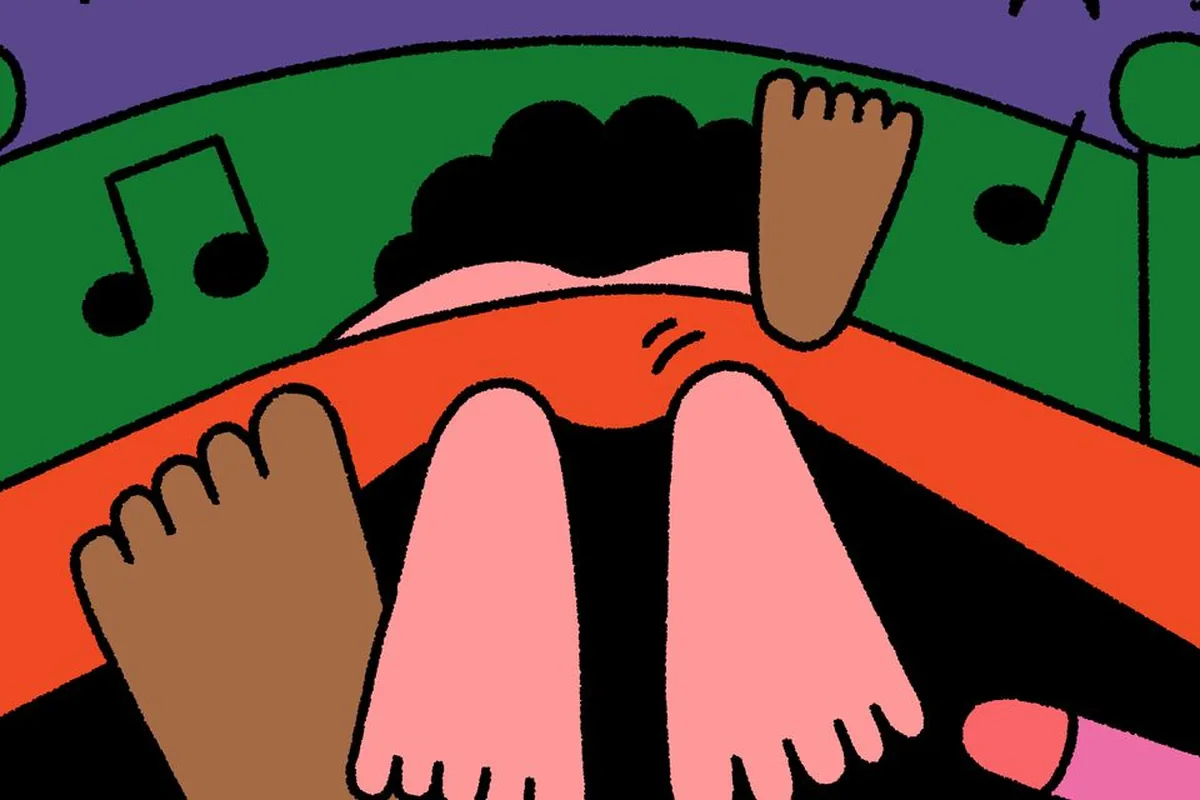
The butterfly is an edge-of-the-bed classic with a settled definition. WebMD’s entry, medically reviewed, has the partner with a vagina lying on their back at the edge of the bed or another surface. The partner with a penis stands or kneels in front, between their legs, and does most of the work.
Legs are the variable part. They can wrap around the standing partner’s waist, or rest against his chest with the ankles over the shoulders. The name also has history: the Kama Sutra calls the move the blossoming position.
Two comfort notes stand out. The receiving partner can stay largely passive, which makes this a good pick when they are tired. And because their hips sit at the edge, a pillow underneath changes the height and the angle in seconds.
What is the waterfall sex position?
Two different arrangements share this name, so describe it before you try it. Kinkly’s version is receiver-on-top. The penetrating partner lies face up with head and torso off the edge of the bed. Their partner straddles them facing forward, with legs in front rather than wrapped behind, and controls depth and pace. Kinkly notes the blood rush to the head of the partner lying down is part of the appeal.
The other definition flips the roles. The partner being penetrated lies back and lets the upper body and head hang slightly off the edge in a gentle arch. Their partner stands or kneels in front, depending on the surface height. VenusFun describes the same arrangement, with the upper body slightly lower than the hips and the raised pelvis doing the work.
In both versions, the head spends time below the heart. Keep that stretch short and support the neck. How short matters more than you might think, and the safety section below has the numbers.
What is the T-bone sex position?
The T-bone drops the edge requirement altogether. Partners lie at right angles to each other, forming a T shape. One partner usually lies on their back with knees drawn up. The other lies sideways across, entering from the side rather than from above.
The bed supports both of you, and neither holds the other up. Guides that cover it call it less demanding than face-to-face staples. One of them reports that men with back or hip discomfort do it without strain, and pillows under hips or legs tune the angle.
Standing positions: wheelbarrow, and one name we could not verify
What is the statue of liberty sex position?
Here is the honest answer: this guide could not verify it. We checked the medically reviewed publishers that define the other names on this page, plus established position libraries and major brand guides. None of them lists a statue of liberty position. The name does live on in user-edited slang dictionaries, where anyone can post an entry under a screen name. Even those entries disagree with each other, so there is nothing to treat as the definition.
What can be said is narrow. A position called this would be, at minimum, a standing one. So the standing basics apply: both partners upright, height matching decisive, and a wall within reach for support.
When a partner suggests the name, ask them to describe the arrangement instead. That conversation takes half a minute, and it beats guessing in the middle of the act. The slang entries that do exist describe rear entry with a drink held overhead like a torch, and a three-person take on the Eiffel tower. Those are different acts entirely, which is the case for describing rather than naming.
What is the wheelbarrow sex position?
Both medically reviewed guides on this page define the wheelbarrow the same way. The giving partner stands and holds the receiving partner’s legs, and the receiver walks their hands out into a plank position, lifted to about waist level. Healthline’s entry describes the identical arrangement.
It is the most athletic item on this page. WebMD classes it as intermediate, because the receiver needs arm and core strength and the giver holds part of the receiver’s weight. Healthline puts it more bluntly. The move takes abdominal strength, arm strength and willpower, and sinking toward the floor mid-thrust is how it usually fails. Getting in follows the definition rather than a leap: the receiver starts on the floor in the plank, and the giver lifts the legs from there.
The load sits on the receiver’s wrists and shoulders, since they bear body weight on their hands. Two easier routes exist. The kneeling wheelbarrow stays lower to the ground. Resting the hands on the bed or a prop raises the shoulders and shortens the strain on the wrists.
Balance, strength and height needs compared
The five positions ask very different things of your body. This table puts them side by side, using the definitions above.
| Position | Setup | Who bears the load | Balance demand | Watch for |
|---|---|---|---|---|
| Butterfly | One lies at the edge, one stands or kneels | The bed | Low | Hips and lower back if the pelvis drops |
| Waterfall | One lies head-down or arched off the edge | Mostly the bed | Low to moderate | Neck strain, dizziness, pressure in the head |
| T-bone | Both lie on the bed at right angles | The bed, both partners | Lowest | Not much; the least demanding of the five |
| Wheelbarrow | One stands, one holds a plank on their hands | The receiver’s arms and the giver’s grip | High | Wrists and shoulders first |
| Statue of liberty | Unverified name; treat as a standing position | Unknown | Unknown; plan as if high | Agree what the name means before you start |
Read the last two columns together. Where balance demand is high, plan your support before you start: a wall, a chair, or a lower variation. Where the watch-for column names a joint, that joint fails first, so adjust before it aches rather than after. And remember that rows can be combined with the fixes from the safety section, since a pillow under the hips changes a row more than most people expect.
Why position names do not always agree
There is no registry of sex position names, and nobody certifies a definition. The names are slang that stuck, publishers inherit them, and sometimes a publisher reshapes them. The waterfall is the clearest case on this page. One established guide has the penetrating partner hanging off the bed with the receiver on top. Another describes the receiving partner lying tilted back off the edge instead. Same name, different bodies. WebMD’s butterfly entry lists a string of named variations that all still count as the butterfly.
So treat a name as a starting point, not a contract. When a position is new to both of you, describe the arrangement rather than the label. A sentence like “lie back at the edge while I stand” leaves nothing to the dictionary.
How to make edge-of-the-bed and standing positions safer
Get the surface and height right first
The bed edge only works if the bed stays put. Check for a frame that slides or a mattress that shifts before anyone’s weight is on it. Footing matters just as much on hard floors, where bare feet slip more than they seem to. A rug or a pair of socks with grip solves most of it, and a quick lean test on the furniture tells you the rest.
Bed height is a real variable. Kinkly points out that the height of the bed determines how intense the waterfall’s head-down angle feels, and a lower bed means a gentler hang. Height matching has cheap fixes, and this page keeps recommending them. The standing partner can kneel. A pillow under the lying partner’s hips raises or softens the angle. So does moving the whole arrangement to a lower piece of furniture.
Protect the back, hips and wrists
Spine researchers at the University of Waterloo put motion capture on ten couples across five common positions. Position choice measurably changes spinal load, they found, so the right choice depends on which movement triggers your pain. For a man whose pain flares when the spine bends forward, the study ranked the on-all-fours rear-entry variations as its most recommended options and side-lying as the least. Spooning, the default advice for decades, turned out to be among the worst picks for extension-intolerant women.
Wrists are the other load point. Any position that puts a partner’s weight on their hands loads the wrists and shoulders, the wheelbarrow being the clearest case. Use the kneeling version, or a prop under the hands, to shorten the lever.
Head-down positions and dizziness
Hanging the head below the heart is not free. In a Pacific University study, healthy young men hung fully inverted for two and a half minutes. Their eye pressure roughly doubled, from a mean of 12.5 to 25.1 mmHg. Their blood pressure climbed from about 117/79 to 140/107 mmHg. One participant developed a burst vessel in the eye from a single session, and these were healthy subjects. People with eye or blood pressure conditions have more reason for care, not less.
Keep head-down stretches short, come back up slowly, and treat dizziness as a stop signal. VenusFun likewise warns people with vertigo or chronic lower back pain off lying with the head below the heart.
Slips, falls and when to stop
Pain during sex is information, not an inconvenience to push through. Stop, adjust, or change position.
One injury deserves the emergency room the same day. A penile fracture is a rupture of the erect penis, and specialists class it as a urological emergency. The classic signs are an audible snap, then the erection fades fast and pain sets in. A review of 12 studies covering 502 patients makes the cost of waiting concrete. Curvature after repair appeared in 1.8 percent of men operated on within 24 hours, against 4.5 percent of those repaired later.
Who should take extra care
Back pain and joint surgery
With back pain, the useful question is which movement sets it off, not which position is universally safe. The Waterloo spine research built its recommendations that way, by pain type, and found that the popular defaults do not fit everyone. For the positions on this page, one comfort claim exists. A single vendor blog reports that men with back or hip discomfort do the T-bone without strain, because the bed supports both partners. That is anecdote rather than clinical guidance, so weigh it against your own pain triggers.
After a hip replacement, the calculus changes for a while. The American Academy of Orthopaedic Surgeons lists posterior precautions, including not bending the hip past 90 degrees. Sexual activity may resume within several weeks, the academy says, once your own surgeon clears it. Positions that fold the hip sharply sit at odds with those precautions until then.
Blood pressure, dizziness and head-down positions
The inversion research is blunt about who should skip the head-down versions. People with high blood pressure, glaucoma or ocular hypertension are advised against inversion, since it measurably raises both blood and eye pressure.
People who feel dizzy easily should choose the supported versions instead. Keep the upper body barely below the hips and let a pillow stack do the tilting. When in doubt, ask a clinician who knows your history. That is a five-minute conversation, and it settles the question.
Talking it through: consent and communication
Positions that ask one partner to hold, lift or balance need more trust than a bed-based staple. Mid-position is a bad moment to discover you understood the name differently. Sex therapist Dr. Amanda Pasciucco’s guidance on standing positions is to start slow, modify freely, and communicate openly about comfort and pleasure.

Agree on two things before you begin. First, what the position actually is, in the describe-the-arrangement way this guide keeps recommending. Second, how either of you signals a stop, since a word works better than a tap when hands are busy holding a plank. WebMD’s advice for a new position is the same in short form: know what the position is, and feel comfortable, before you start.
Frequently asked questions
What is a waterfall position?
One established version is receiver-on-top at the bed edge: the penetrating partner lies face up with head and torso off the mattress while the other straddles them. Other guides use the name for the reverse arrangement, with the receiving partner arching back off the edge instead. Describe it first.
What is the reverse waterfall position?
Definitions vary, as they do for the original. VenusFun keeps the raised-hip idea and changes the partners’ orientation or support setup rather than inventing a harder pose. Ask your partner which version they mean.
Are edge-of-bed positions good for couples with height differences?
Often, yes. The standing partner can kneel to drop height without moving anyone else, and a pillow under the hips fine-tunes the angle. The bed edge gives you more height adjustment than standing positions do.
Are edge-of-bed positions comfortable for people with back pain?
It depends on which movement triggers your pain, since position choice measurably changes spinal load. Spooning is not a universal answer. The waterfall’s head-down arch is one to skip with lower back trouble.
What if I feel dizzy during the position?
Stop and come back up slowly, sitting rather than standing. Inversion raises blood and eye pressure even in healthy people. Next time, choose a shallower angle with more support.
The bottom line
Position names are slang, not specifications. The butterfly and the wheelbarrow have settled definitions, the waterfall has two, and the statue of liberty has none that this guide could verify. Describing the arrangement beats naming it every time.
The physics part is simpler. The bed edge lowers the strength demand because the mattress does the supporting, and standing positions raise it because you do. Stable surface, matched heights, short head-down stretches, and a stop signal you both know. With those in place, pick the row of the table that fits your bodies and your back, and adjust before anything aches.
Related reading
- Face-to-Face and On-Top Sex Positions: Lotus, Amazon, CEO, Triceratops, Monkey, Bear Hug and Captain Explained
- Advanced Sex Positions and Their Injury Risks
- Low-Effort Lying-Down Sex Positions: Prone Bone, Speed Bump, and Dragon
- Arousal and consent
Sources
- Exactly How to Do the ‘Edge of the Bed’ Sex Position - Women’s Health UK
- The Butterfly Sex Position: What It Is - WebMD
- Standing Sex Positions for Your Best Sex Goals - Trojan Brands
- Butterfly Sex Position (+ PICS) + 4 Orgasm-Inducing Variations - Bad Girls Bible
- The Waterfall Position - Kinkly
- July Position of the Month: The Waterfall - Heights Family Counseling (Katie Mitchell, M.A., LPC, CST)
- Waterfall Sex Position: How to Do It Deeply & Comfortably - VenusFun
- T Bone Sex Position: A Simple Guide for Couples - Xhentaidoll
- T Bone Sex Position Guide: Deeper Angles, Closer Connection - Futadoll
- Urban Dictionary: Statue of Liberty - Urban Dictionary
- Wheelbarrow Sex Position: What It Is and How It’s Done - WebMD
- Wheelbarrow Position: 10 FAQs About Form, Benefits, Sex Toys, and More - Healthline
- Male Spine Motion During Coitus: Implications for the Low Back Pain Patient - Spine (Spine Biomechanics Laboratory, University of Waterloo), via PMC
- New findings will improve the sex lives of women with back problems - ScienceDaily (University of Waterloo)
- The effects of inversion chair therapy on intraocular pressure and systemic blood pressure - Pacific University (Master of Science in Vision Science thesis)
- Can it wait? A systematic review of immediate vs. delayed surgical repair of penile fractures - Canadian Urological Association Journal, via PMC
- Activities After Total Hip Replacement - OrthoInfo - American Academy of Orthopaedic Surgeons
- Standing Sex Positions: Insights from Dr. Amanda Pasciucco - Life Coaching and Therapy