Hormones and Libido: How Each Hormone Affects Desire
How testosterone, estrogen, progesterone, prolactin, thyroid and cortisol affect libido in all sexes, plus birth control and when to ask for blood tests.
General education, not medical advice. If something here worries you, talk with a clinician.
Table of Contents
Hormones and libido are linked in every body, but the link is looser than most headlines suggest. Testosterone, estrogen, progesterone, prolactin, thyroid hormones and cortisol can all nudge desire up or down. None of them works like an on-off switch.
Sex drive also depends on your mood, health, medicines, sleep, stress and relationship. So a hormone shift is one possible reason for a change in desire, and often not the main one.
This guide walks through what each hormone does, how hormonal birth control fits in, and which signs make a blood test worth asking for. It is health education for adults, not a diagnosis. If your desire has changed and it bothers you, a clinician can help sort out the cause.
How hormones fit into sex drive
Think of hormones as a volume dial rather than a switch. They can make the body and brain more or less ready to respond to sexual thoughts and touch, but desire itself comes from many systems working together.
Libido also varies widely from person to person, and it can dip for a while with something as ordinary as tiredness or worry. Cleveland Clinic lists physical health, mental health, aging, relationships and stress as common reasons libido drops. It also notes that low desire is common, affecting up to 1 in 5 men and even more women at some point in life.
That wide range matters when you read about hormones. There is no single “normal” amount of desire to measure yourself against. What counts is a change from your own usual pattern, especially one that bothers you or your partner.
For a broader look at everything that shapes desire, see our guide to what affects libido. The sections below zoom in on the hormonal side.
Six hormones linked to desire
Testosterone
Testosterone is often called a male hormone, yet all sexes make it and use it. In men, it supports sex drive and fertility, and low testosterone can show up as low desire and fewer morning erections. Health providers usually treat a level below 300 ng/dL as low in adults.
Women make testosterone too. The International Menopause Society notes that women actually produce more testosterone than estrogen. Even so, blood levels and desire do not line up neatly. Many women with low testosterone have no distressing loss of desire and need no treatment.
Testosterone treatment for women with low desire is a specialist decision. It is meant only after other causes have been checked, and it is unlicensed for women in most countries. The best support is for postmenopausal women with a diagnosed desire disorder.
Estrogen
Estrogen keeps the vaginal lining thick, flexible and moist. When estrogen falls, dryness and a thinner lining can make penetrative sex painful. Pain then dampens desire. Few people look forward to something that hurts.
Desire also shifts with estrogen across the menstrual cycle. Many people notice more interest in sex around ovulation, when estrogen peaks. Men make estrogen too, mostly from testosterone, and it appears to help maintain their desire as well.
Progesterone
Progesterone rises after ovulation to prepare the uterus for a possible pregnancy. A University of Rochester health column notes that many people feel a sharp drop in desire after ovulation, when progesterone is highest. The same column admits the data are thin, and that premenstrual tiredness and low mood may explain part of the dip.
So progesterone is a reasonable suspect for lower desire in the second half of the cycle. It is not a proven cause, and experiences vary a lot from person to person.
Prolactin
Prolactin is best known for making breast milk. When it runs high outside of breastfeeding, a condition called hyperprolactinemia, it can cause loss of interest in sex in anyone. Other clues include milky nipple discharge and irregular or missing periods.
The most common cause is a prolactinoma, a benign tumor of the pituitary gland in the brain. Some medicines can raise prolactin too, including certain antipsychotics and antidepressants. The good news is that treatment usually works well.
Thyroid hormones
The thyroid sets the pace of your metabolism, and both an underactive and an overactive thyroid can affect sex life. In a study summarised by the American Thyroid Association, about 40% of people with thyroid disorders reported problems with their sex life. The figures were 36-42% for women and 31-33% for men.
Thyroid problems often bring other signs, such as tiredness, weight change or feeling too hot or cold. Those are worth mentioning to a clinician alongside any drop in desire.
Cortisol
Cortisol is the body’s main stress hormone. Ongoing stress keeps it raised, and Healthy Male explains that cortisol can suppress testosterone, which helps drive libido. Stress does not hit everyone the same way, though. Some people find their desire dips under pressure, while others feel it spike.
Cortisol is tied closely to sleep and daily strain. Our article on stress, sleep and libido covers that link in more depth.
Hormones and desire at a glance
This table sums up the six hormones above. Use it as a starting point for a conversation with a clinician, not as a self-diagnosis chart.
| Hormone | Main job | Link to desire | Signs that often come with a problem |
|---|---|---|---|
| Testosterone | Supports sex drive, muscle and fertility | Low levels linked to low desire, mainly in men | Fewer morning erections, low energy |
| Estrogen | Keeps vaginal tissue moist and flexible | Low levels can make sex painful, which lowers interest | Vaginal dryness, hot flashes |
| Progesterone | Prepares the uterus after ovulation | Often linked with lower desire after ovulation | Premenstrual tiredness or low mood |
| Prolactin | Drives milk production | High levels can cause loss of interest in sex | Nipple discharge, irregular periods |
| Thyroid hormones | Set the pace of metabolism | Thyroid disorders often affect sex life | Tiredness, weight or temperature changes |
| Cortisol | Helps the body handle stress | Can suppress testosterone and dampen desire | Poor sleep, tension, low mood |
When hormone shifts tend to show up
Changes in desire linked to hormones tend to cluster around big life transitions. Knowing when they usually happen can make a sudden shift in your own interest feel far less mysterious and much easier to talk about.

Pregnancy, postpartum and breastfeeding
Pregnancy, childbirth and breastfeeding all bring large hormone swings. Cleveland Clinic notes that hormone changes, discomfort and stress during this time can lower libido. Prolactin, the hormone that makes milk, stays high while breastfeeding, and high prolactin can dampen interest in sex.
Still, hormones are only part of the picture here. Broken sleep, healing after birth and the demands of a new baby can drain desire on their own. A slow return of interest is common, and it is fine to tell your partner or midwife how you feel.
Perimenopause and menopause
During the menopause transition, estrogen falls. That drop can cause vaginal dryness and a thinner vaginal lining, which may make penetrative sex painful. Desire does not change the same way for everyone, though. The Menopause Society notes that some people lose interest at midlife, some gain it, and some notice no change.
Treatment can help when dryness or pain is the problem. Options include lubricants, vaginal moisturizers and low-dose vaginal estrogen. Evidence also suggests testosterone may help low desire in some perimenopausal and postmenopausal women, under medical care.
Aging in men
Men do not go through a sudden hormonal drop like menopause. Testosterone falls slowly, about 1% to 2% a year according to Harvard Health. The NHS puts the decline at about 1% a year from around age 30 to 40 and says this slow fall is unlikely to cause problems by itself.
A true testosterone deficiency later in life is less common and is more likely in men with obesity or type 2 diabetes. In many cases, low desire and mood changes in midlife have nothing to do with hormones.
Hormonal birth control and libido
Hormonal birth control can lower libido for some people, but most users notice no change. Planned Parenthood says studies show most people on the pill, patch, ring or shot have no change in sex drive or arousal.

What the research shows
The picture is mixed rather than one-sided. A 2022 review in the Journal of Clinical Medicine describes one survey of 3,740 women. In it, 43% reported lower desire they linked to hormonal contraception, compared with 12% of women using hormone-free methods. Self-reported surveys like this cannot prove the method caused the change, but they show the concern is real for many people.
The same review stresses that each person reacts differently. Estrogen dose and the type of progestin both seem to matter. Some people even find their desire improves, because they no longer worry about pregnancy.
Why it might happen
Many combined pills contain ethinylestradiol, a form of estrogen. It raises a protein called sex hormone-binding globulin (SHBG), which grabs testosterone and lowers the amount free to act in the body. That sounds like a clear explanation for lower desire.
Yet most people on these pills see their free testosterone fall without losing libido. So SHBG may matter for some sensitive users, but it does not explain everyone. Side effects such as bloating or sore breasts can also make sex less appealing.
What to do if you notice a change
Do not stop your birth control without a backup plan, or you risk an unplanned pregnancy. Instead, give your body time and track how you feel. Side effects often settle after a few months.
If they do not, talk with your clinician about another pill or another method. One Nebraska Medicine OB-GYN says progestin-only methods, such as the mini pill and some IUDs, often leave sex drive alone. The evidence on this is mixed, though. Cleveland Clinic lists the progestogen-only pill among methods that can lower desire. The 2022 review also cites a large study in which progestin-only users reported worse desire and arousal. So no method is a sure fix, and you may need to try more than one. Vaginal dryness is a good reason to switch sooner, since it will not fix itself.
Hormones are one factor among many
Normal hormone levels and low desire can easily exist side by side. For many people, the cause sits elsewhere.
Medicines are a common culprit, and they are easy to overlook because the change often creeps in slowly after a new prescription or a dose increase. Antidepressants, antipsychotics, chemotherapy drugs and blood pressure medicines can all lower sex drive. Mental health matters just as much. Harvard Health reports that 35% to 50% of people with untreated major depression have some kind of sexual problem before any treatment starts. So a low libido on an antidepressant may come from the depression, the drug, or both.
Relationships and daily life weigh in too. Merck Manual names depression, anxiety and relationship problems as frequent causes of low desire in men. A Nebraska Medicine OB-GYN puts it simply: hormones, mental health, relationships, stress and self-confidence all work together.
This is why a hormone test alone rarely answers the question. If your levels come back normal, it does not mean your concern is imaginary. It means the answer probably lies in one of these other areas, which our what affects libido guide explores.
When to ask for blood tests
Ask about blood tests when low desire lasts, bothers you, and comes with other physical signs. A drop in desire on its own, during a stressful month, usually does not need lab work first.

Signs that make testing worthwhile
Some combinations of symptoms point more clearly toward a hormone cause. These are worth raising with a clinician:
- Low desire plus fewer morning erections, low energy or erection problems, which can suggest low testosterone
- Low desire plus milky nipple discharge or irregular or missing periods, which can suggest high prolactin
- Low desire plus ongoing tiredness, weight change or feeling unusually hot or cold, which can point to the thyroid
- Vaginal dryness or painful sex during perimenopause or menopause, which often links to falling estrogen
Healthy Male suggests seeing a doctor if low sex drive and erection problems last more than a couple of weeks.
What a clinician may check
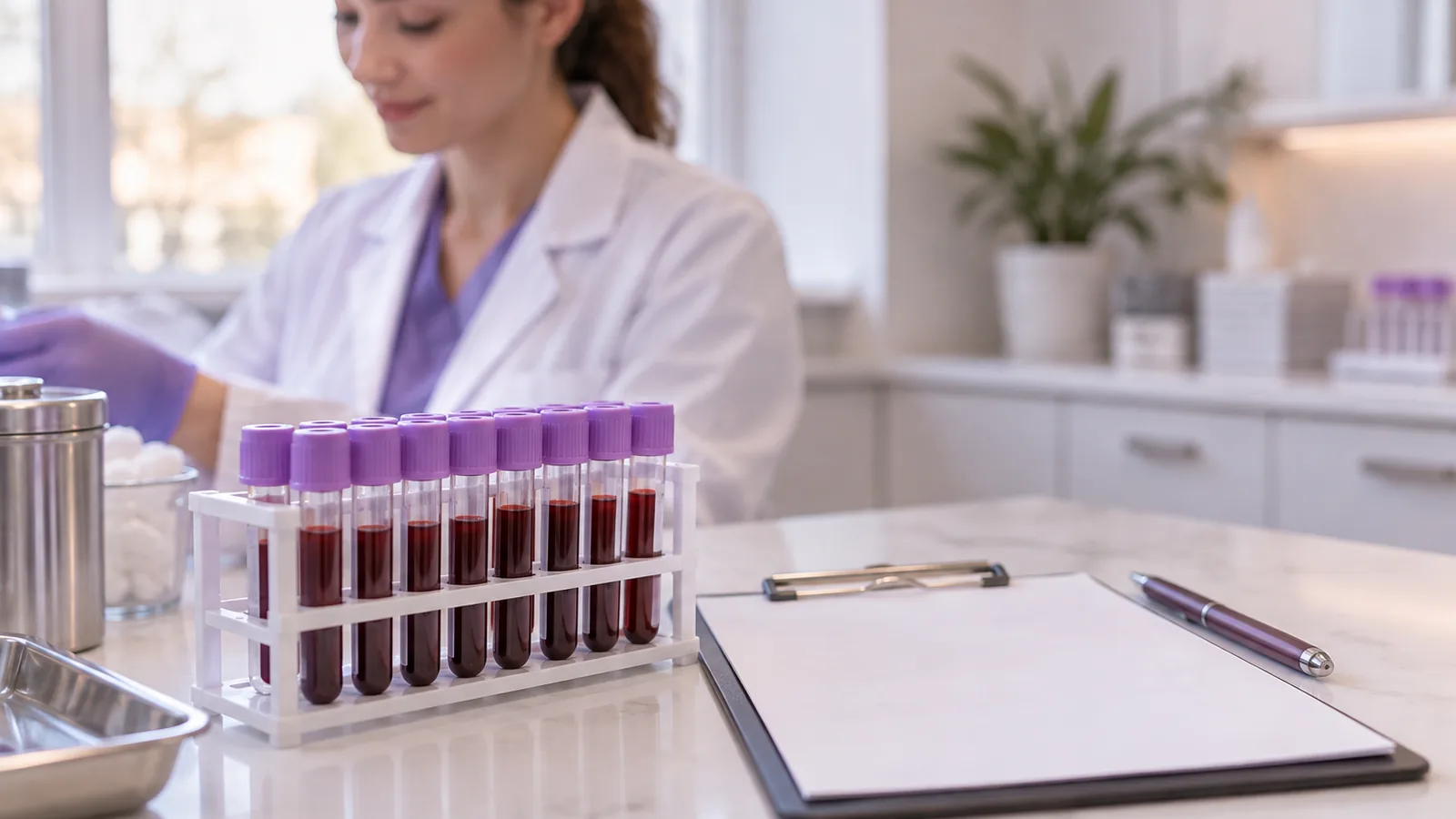
Testing depends on your symptoms and history. For suspected low testosterone, timing matters. MedlinePlus says the blood sample is usually taken in the morning, between 7 and 10, when levels are highest. Cleveland Clinic adds that diagnosis usually needs two separate morning samples. A clinician may also check prolactin and other pituitary hormones.
A single number rarely settles anything. MedlinePlus notes that a test result alone cannot diagnose a condition and must be read with your symptoms. Harvard Health likewise advises repeating a low result before any treatment decision.
Why self-treatment is risky
Supplements sold as hormone or libido boosters are a poor shortcut. One study of 50 testosterone-booster products found 90% claimed to raise testosterone, yet only 24.8% of their ingredients had data showing that effect. Some products went over safe intake limits for zinc, vitamin B3 or magnesium. Cleveland Clinic advises people with symptoms of low testosterone to avoid over-the-counter supplements.
Prescription testosterone carries real risks too. Harvard Health notes it can raise red blood cell counts and clotting risk. Merck Manual adds that men who want biological children in the future should not use outside testosterone. Any hormone treatment belongs under medical care, with follow-up checks.
Frequently asked questions
Can hormone imbalance affect libido?
Yes. Low testosterone, falling estrogen, high prolactin and thyroid problems can all lower desire. A hormone problem usually brings other signs too, such as irregular periods, dryness, fatigue or erection changes. If low desire is your only symptom, other causes like stress, medicines or relationship strain are often more likely.
What hormone increases sex drive in females?
No single hormone controls female desire. Testosterone plays a part, but many women with low testosterone do not report distressing low desire. Estrogen supports comfort and arousal by keeping vaginal tissue healthy. Desire also tends to rise around ovulation, when estrogen peaks.
When will I get my libido back after birth control?
It varies from person to person, and no firm timeline exists for desire to return after stopping. If you stop or switch methods, give your body some time to settle and track how you feel. If desire stays low, talk with a clinician about other possible causes.
Does estrogen increase sex drive?
Not directly in a reliable way. Estrogen helps keep the vagina moist and flexible, which makes sex more comfortable. When dryness is the reason desire has dropped, treating it can help. Estrogen therapy is not a general desire booster, and it can raise prolactin in some people.
The bottom line
Every sex relies on hormones for desire, yet they rarely act alone. Testosterone, estrogen, progesterone, prolactin, thyroid hormones and cortisol can each tip desire up or down. Medicines, mood, sleep, stress and relationships usually matter just as much.
If your desire has changed and it bothers you, start by noticing the pattern. Is it tied to your cycle, a new medicine, a new birth control method, or a hard stretch at work? Then bring those notes to a clinician, along with any other symptoms. They can decide whether blood tests make sense and what to check.
Skip the supplement aisle and do not start or stop hormones on your own. A careful look at the whole picture is the surest route back to feeling like yourself.
Related reading
- What Affects Libido? The Main Factors That Raise or Lower Sex Drive
- Menstrual Cycle and Libido: How Desire Can Shift Through the Month
- Aging and Libido: How Sexual Desire Changes With Age
- Stress and Libido: How Stress and Sleep Shape Your Sex Drive
Sources
- Decreased Libido in Men - Merck Manual Consumer Version
- Low Libido (Low Sex Drive): Causes & Treatment - Cleveland Clinic
- Low Testosterone (Low T): Hypogonadism, Symptoms & Treatment - Cleveland Clinic
- Testosterone for women with hypoactive sexual desire disorder: where are we now? - International Menopause Society
- Sexual Health - The Menopause Society
- Ask the Sexpert: Sex drive and the menstrual cycle - University of Rochester University Health Service
- Hyperprolactinemia: What It Is, Symptoms & Treatment - Cleveland Clinic
- Clinical Thyroidology for the Public, Vol 12 Issue 4 - American Thyroid Association
- Stress, anxiety and sexual performance in men - Healthy Male (Andrology Australia)
- Testosterone — What It Does And Doesn’t Do - Harvard Health Publishing
- The ‘male menopause’ - NHS
- I’m on the pill, and I’ve noticed a drop in my sex drive. What should I do? - Planned Parenthood
- How Does Contraceptive Use Affect Women’s Sexuality? A Novel Look at Sexual Acceptability - Journal of Clinical Medicine (via PubMed Central)
- Does birth control affect your sex drive? - Nebraska Medicine
- When an SSRI medication impacts your sex life - Harvard Health Publishing
- Testosterone Levels Test - MedlinePlus (U.S. National Library of Medicine)
- ‘Testosterone Boosting’ Supplements Composition and Claims Are not Supported by the Academic Literature - The World Journal of Men’s Health (via PubMed Central)