Sex for Beginners: What First-Time Sex Is Really Like
Sex for beginners, explained honestly: how first-time sex may feel, whether it hurts or bleeds, hymen myths, handling nerves, and when to see a doctor.

General education, not medical advice. If something here worries you, talk with a clinician.
Table of Contents
Sex for beginners rarely looks like the movies. For most adults, the first time turns out more ordinary than they feared: nerves, unfamiliar sensations, a few awkward moments, and maybe some laughing at elbows in the wrong place. It may hurt a little, or not at all, and you may or may not bleed. Neither outcome says anything about your body or your past.
This guide answers the questions people usually have before the first time, starting with what counts as sex and how it may feel. It then looks at pain, bleeding and nerves, what is normal afterwards, and when to see a professional. For the practical side, such as condoms, lube and setting the scene, see our separate guide on how to prepare for sex.
What counts as the first time?
Virginity is an idea, not a body part
There is no single first time that counts for everyone. “Virginity” is a social idea, and people draw the line in different places. The World Health Organization says the word is not a medical or scientific term at all. It calls virginity a social, cultural and religious construct.
That means no exam can show whether someone has had sex. WHO states there is no evidence that inspecting the hymen, or a so-called two-finger test, can prove past vaginal intercourse. Your body does not carry a visible record of your sexual history.
People also disagree about what counts. In one survey of 925 adolescents, 70.6% saw oral sex as a form of abstinence. Planned Parenthood takes a practical view: the definition is complicated, and it is up to you to decide what you believe. How you feel about your experiences matters more than the label.
Many kinds of sex can be a first time
Vaginal, anal and oral sex can all count as sex, and you get to decide what counts for you. Many lesbian, gay, bisexual and pansexual people never have penis-in-vagina sex. They do not see themselves as lifelong virgins because of that. Many people also do not count sex that was forced or pressured as their first time.
This matters because a lot of first-time worry is tied to one script: penis, vagina, pain, blood. If your first time involves fingers, mouths or toys, or a partner of the same gender, it is just as real. Most people also have several firsts. The first time you give or receive oral sex, the first penetration, and the first time with someone you love can each feel different.
Starting later as an adult is more common than you think

What the numbers say about age at first sex
If you are an adult and have not had sex yet, you have plenty of company. Planned Parenthood puts the average age at first sex at 17, but averages hide a wide spread. CDC data from the National Survey of Family Growth show that by age 20, 79% of young women and 77% of young men had ever had intercourse. Put the other way, roughly 1 in 5 young adults had not.
The share of people waiting longer has also grown. A JAMA Network Open paper cites earlier General Social Survey research on this. Among Americans aged 20 to 24, 6.3% of those born in 1965 to 1969 had no sexual partners after turning 18. For those born in 1990 to 1994, the figure was 15.2%, or roughly 1 in 7. The JAMA Network Open study’s own data showed that by 2016-2018, about 1 in 3 men aged 18 to 24 reported no sex in the past year.
Indiana University researchers saw a similar pattern, with fewer adults reporting a range of partnered sexual activities, including vaginal, oral and anal sex, in 2018 than in 2009. They did not find one single cause. Instead, they pointed to several possible factors, from less drinking to more open conversation about consent.
Being older the first time has upsides
Starting later can feel like a secret you have to manage, yet in practice it often comes with real advantages. You may know your own body better by now, especially if you masturbate, and you have more say over who your partner is and when it happens. Adults also tend to find it easier to say what they want out loud, which makes the experience safer and more enjoyable.
You do not owe anyone a confession. Even so, one plain sentence can take a lot of pressure off. Something like “I haven’t done this before, so I’d like to go slow” gives your partner useful information. A kind partner will respond with patience, and someone who mocks you for it has told you something important about themselves.
Picture someone in their late twenties who has dated, kissed and fooled around, but never had intercourse. That person is not behind on some schedule. They simply have one experience still ahead of them, and they get to choose the conditions under which it happens.
How first-time sex may feel
Physical sensations: pressure, stretch and a lot of new input
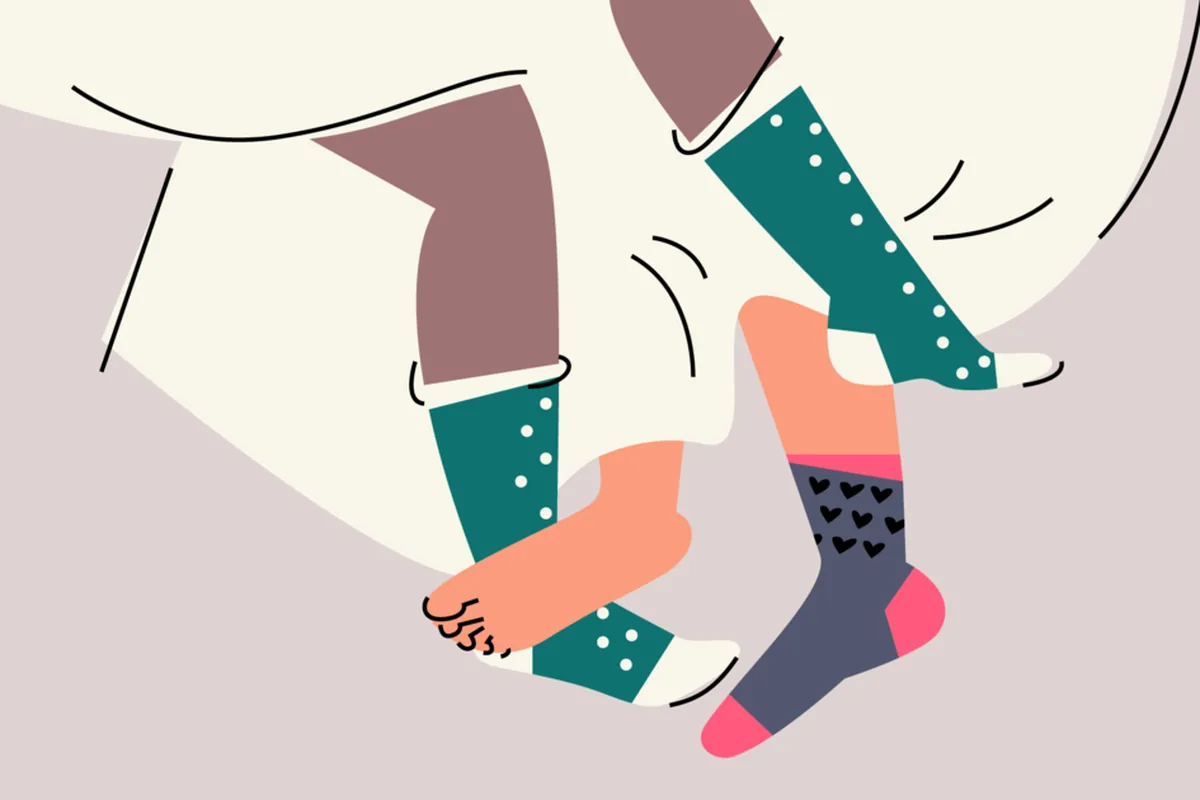
First-time sex usually feels like a lot of new input at once. Planned Parenthood puts it simply: vaginal or anal sex for the first time may hurt, feel good, or both. Many people describe pressure, fullness or stretching more than sharp pain. Others mostly notice warmth, skin, breath, and the strangeness of being so close to someone.
Arousal changes the body in ways that make sex more comfortable. People with a vagina usually get wetter as they get more turned on, and the vagina gets longer and wider. That is why rushing tends to hurt and slowing down tends to help. Going straight from a kiss to penetration skips the part where the body gets ready.
For people with a penis, the main sensations are touch, warmth and friction. Friction without enough lubrication can cause irritation. Anal tissue makes no lubrication of its own, so lube matters even more there. Some people find penetration feels less intense than they expected, and some find it far more intense. Both are normal.
Orgasm is not guaranteed, especially the first time
Many people do not orgasm the first time, and that is normal. Research summarised by psychologist Madeleine Fugère in Psychology Today shows women usually rate their first time less positively than men do. A 2023 study in the Archives of Sexual Behavior helps explain why. Women whose first partner was a woman reported as much satisfaction as men did. The authors linked much of the gap to orgasm, which women having first sex with men were less likely to have.
Penetration on its own is often not the most reliable route to pleasure for people with a clitoris. Cleveland Clinic notes that clitoral stimulation can be more pleasurable than penetration. So a first time that includes hands, mouths or toys is not a lesser version. It may simply be the version that feels best.
The emotional side: from relief to ‘is that it?’
Feelings afterwards range widely. Some people feel close, proud or relieved. Others feel flat, a bit sad, or surprised by how ordinary it was. Plenty feel several of these within the same hour.
Memory also shapes the story you tell yourself. In the study above, people were recalling a first time from about seven years earlier. The researchers argued that sex education should cover pleasure and satisfaction for both partners, not only risks. That is a useful lens for your own first time too. Asking “did we both feel cared for?” tends to be more helpful than asking “did I do it right?”
Feeling unsure afterwards does not mean you did anything wrong. It is a big moment, and big moments take time to digest. If the feelings are heavy or they linger, talk to someone you trust or a counsellor.
Does first-time sex hurt?
First-time sex can hurt, but it does not have to, and it should not hurt a lot. Planned Parenthood notes that some people with a vagina feel pain the first time, while others feel none. In general, vaginal sex should not be painful, and you can stop the moment something hurts.
Why it can hurt
Most first-time pain comes from a handful of predictable sources:
- Not enough arousal or lubrication. Cleveland Clinic lists a lack of lubrication as a common cause of painful sex.
- Tense muscles. Nerves can make the muscles around the vaginal opening tighten, which makes entry harder and more uncomfortable.
- Vaginismus. This is an involuntary spasm of the vaginal muscles, often caused by fear of being hurt or by past trauma.
- Going too fast. Pushing through discomfort tends to make the body brace even more.
- A first stretch. Inserting something for the first time can hurt, especially if nothing has gone into the vagina before.
Tension and dryness often feed each other. Anxiety slows arousal, and less arousal means less natural lubrication. The resulting dryness hurts, which makes you tense up again. Breaking that loop is mostly about giving it time, and about letting the more nervous person set the pace.
Can it hurt for people with a penis?
Usually it does not hurt, although it can. Friction during vaginal or anal sex can irritate the penis, and lube usually helps. Cleveland Clinic notes that men can feel pain on the head or shaft of the penis, in the testicles, or in the pelvis. Pain in the penis or testicles that keeps coming back is a reason to get checked by a doctor.
Pain that is not a normal part of the first time
Mild soreness or a stinging stretch can be part of a first time, but sharp, burning or deep pain that stops sex is a different matter. Doctors use the term dyspareunia for persistent or recurring pain before, during or after sex. Painful sex in general is common, even though persistent pain is less so. Cleveland Clinic says pain during sex affects 3 out of 4 females at some point in their lives. That figure counts any painful episode, including a single one, so it does not mean most women have dyspareunia.
Its causes include vaginismus, vaginal infections, sexually transmitted infections, pelvic floor problems and endometriosis. Another is vulvodynia, which is chronic pain in the vulvar area. Most of these respond to treatment, such as medication or pelvic floor physical therapy, and relief is often possible.
Here is a useful rule of thumb. If sex hurts every time you try, or the pain is getting worse, stop pushing through it and see a doctor or a sexual health clinic instead. A first time that hurts a little is common, whereas sex that keeps hurting is a medical issue with real treatments.
Bleeding and the hymen: myths vs. evidence
What the hymen actually is
The hymen is a thin, soft, stretchy piece of tissue at the opening of the vagina. It is usually ring-shaped or crescent-shaped, and it does not normally cover the whole opening. If it did, period blood could not get out. A hymen that covers the opening completely is rare, about 1 in 1,000 females, and minor surgery fixes it.
The hymen also changes over time. Exercise, tampons, pelvic exams and sex can all wear it down, often without the person noticing. It does not necessarily break the first time someone has sex. Once it has been stretched open, it does not grow back.
Myth vs. evidence at a glance
| Myth | What the evidence says |
|---|---|
| Everyone bleeds the first time. | Only about half of women bleed at first vaginal intercourse. |
| No blood means you were not a virgin. | Studies show bleeding is not routinely seen after first intercourse, so no blood proves nothing. |
| The hymen pops like a seal. | It is elastic tissue that wears down gradually, and most people feel nothing when it breaks. |
| A doctor can tell if you have had sex. | WHO says no exam can prove whether someone has had vaginal intercourse. |
| The blood comes from the hymen tearing. | The hymen has few blood vessels; bleeding often comes from vaginal wall tears caused by force or dryness. |
| Surgery can restore virginity. | In a small Dutch study, 17 of 19 women who had hymen surgery reported no bleeding at first marital intercourse. |
Peer-reviewed research backs up the same picture. In one study, 52% of adolescent girls who reported past intercourse had no visible change to the hymen at all.
Any bleeding is usually light, more like spotting than a period. Bleeding with sex beyond the first time is worth mentioning to a doctor.
Why virginity tests do not work
Because hymens vary so much, their appearance says little about anyone’s sexual history. In 2018, WHO, UN Women and UN Human Rights jointly called for an end to virginity testing. The practice has been documented in at least 20 countries. WHO says it has no scientific merit and causes real harm to the women and girls who undergo it. Its advice is that the test should not be performed under any circumstances.
The takeaway for a first-timer is simple. Whether you bleed is not a test you pass or fail. When there is blood, it often comes from small tears in the vaginal wall rather than the hymen. Those tears are more likely when penetration is forced or there is not enough lubrication. Being relaxed and aroused, using lube and going gently all lower that risk.
Nerves, performance worries and how to handle them
Being nervous is completely normal. Plenty of people feel some mix of excitement and dread before a first time, and new encounters are one of the common triggers of sexual performance anxiety. Cleveland Clinic estimates that performance anxiety affects up to 25% of men and 16% of women.
Why nerves show up in the body
Anxiety and arousal pull in opposite directions. Arousal needs you to be present in your body, while anxiety drags you into your head. There, you start worrying about how you look, whether you are doing it right, or whether your partner is enjoying it. Fear, embarrassment and worry can affect sexual interest, performance and pleasure for anyone. A tense first time can then make the next time more anxious, which turns into a cycle.
In practice, nerves can show up as less lubrication or tight muscles for people with a vulva. For people with a penis, they can show up as trouble getting or keeping an erection. Neither reaction is a verdict on your body or on your attraction to your partner.
Losing an erection or finishing fast
Two worries come up again and again for people with a penis. The first is losing an erection. Cleveland Clinic notes that worrying about whether you can keep an erection makes sex harder to enjoy. Pausing and switching to other kinds of touch takes the spotlight off it, which often relieves the pressure.
The second worry is finishing too fast. Premature ejaculation means ejaculating sooner than you would like. It is the most common sexual complaint and affects up to one in three men. When it happens only now and then, it is not a cause for concern.
Lifelong premature ejaculation is much rarer. One review found the complaint of early ejaculation in 19.8% and 25.8% of men across two surveys. Lifelong premature ejaculation showed up in only 2.3% and 3.2%. Finishing quickly during your first time therefore says little about how sex will go later.
Ways to take the pressure off
- Talk before, not during. Agree in advance that either of you can pause or stop at any point.
- Change the goal. Sex does not have to include penetration or end in orgasm to count. Using fingers, toys or mouths can ease anxiety and may feel better for your partner.
- Go slow. More time for arousal usually means more natural lubrication.
- Expect some awkwardness. Bumped heads and odd noises happen, and laughing about them lets the tension out.
- Get help if it lasts. A sex therapist can help when anxiety keeps getting in the way.
Suppose two people agree beforehand that tonight is about touching and nothing more. With penetration off the table, nobody is watching the clock or their own body. That agreement often makes the evening more relaxed, and sometimes more arousing as well.
Yes, the first time can lead to pregnancy or an STI
The idea that you cannot get pregnant the first time is a myth. Planned Parenthood is blunt about it: anyone who has unprotected vaginal sex can get pregnant, whether it is the first time or the 100th. It is even possible to get pregnant before your first period. Pregnancy can happen whenever semen or pre-cum gets in the vagina or on the vulva.
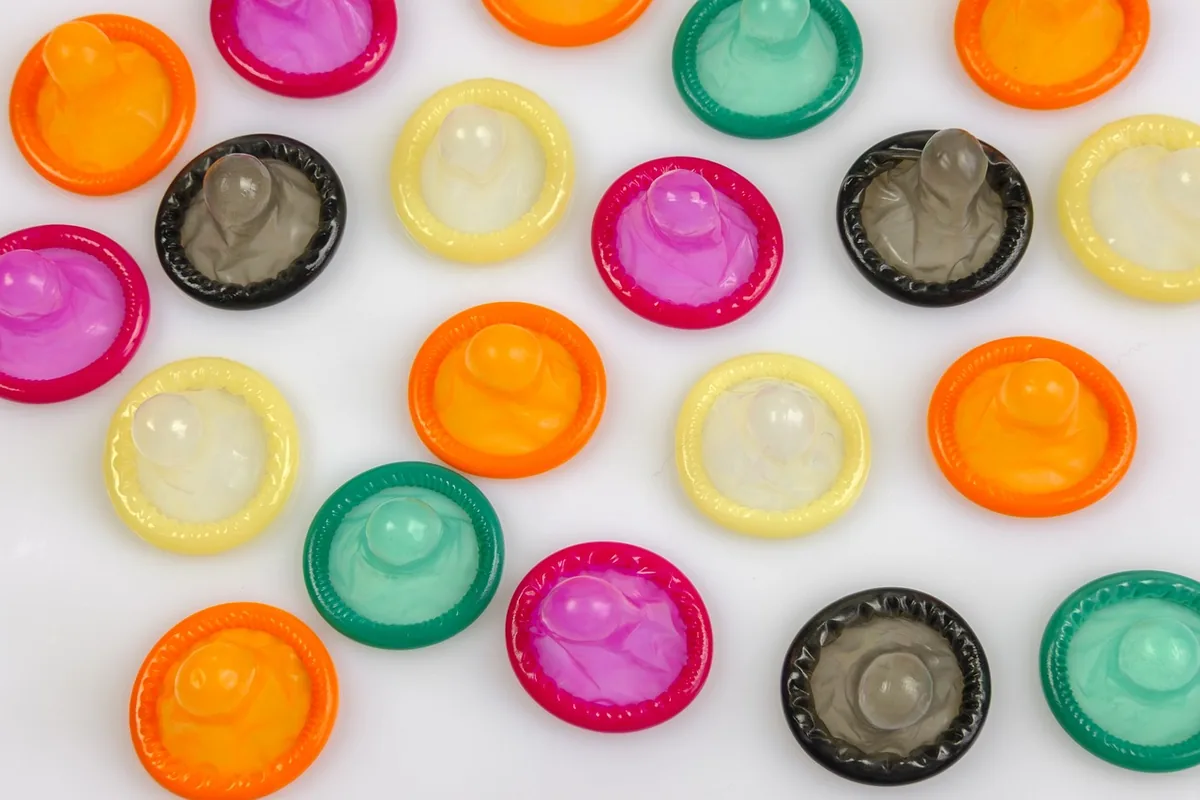
Sexually transmitted infections (STIs) work the same way. Nemours KidsHealth notes that STIs can pass during a first time through vaginal, oral or anal sex, fingers or other sexual contact. Oral and anal sex do not cause pregnancy, but they can still spread STIs. Sex without a condom carries STI risk no matter how experienced you are. Pulling out does not remove the risk of pregnancy either, because pre-ejaculate can carry sperm. Condoms are the best protection against STIs, while a reliable method such as the pill or the shot works better for preventing pregnancy. If you use lube with a condom, skip oil-based products such as baby oil, lotion or petroleum jelly, because CDC warns they can make the condom break.
None of this is a reason to fear sex. Instead, it is a reason to plan for it, the same way you would for anything else that matters to your health. Condoms, other contraception and STI testing are covered step by step in our guide on how to prepare for sex.
What is normal afterwards, and when to see a professional
Usually normal: soreness, light spotting, mixed feelings
Feeling a bit tender or sore for a day or so is common, especially after penetration. Light spotting can happen if the hymen stretched, and some people mistake it for the start of a period. Mixed emotions are normal too, as covered above.
A couple of simple habits help. Peeing after sex helps flush bacteria away from the urethra. Give your body time to recover before trying again, and notice how you feel over the next few days.
Checking in with your partner afterwards is worth doing as well, even when it feels awkward. A short conversation about what felt good, what felt uncomfortable, and what you would like to try differently next time builds trust quickly. It also makes the second time easier, because neither of you has to guess.
Worth getting checked
Some signs mean it is time to talk to a doctor, a nurse or a sexual health clinic:
- Burning when you pee, plus needing to go urgently and often. These are hallmark signs of a urinary tract infection (UTI), and sex is a common trigger. Women get UTIs more often, partly because the female urethra is only 3 to 4 centimeters long.
- Pain that is new, getting worse, or there every time. That pattern points to dyspareunia, which is treatable.
- Bleeding with sex after the first time, or heavy bleeding. Cleveland Clinic advises seeing a provider about bleeding with sex.
- Ongoing pain in the penis or testicles. This should be checked rather than ignored.
- Unusual discharge, sores or itching. These can be signs of an infection, including an STI, and testing is routine.
Talking about sex with a doctor can feel embarrassing. Cleveland Clinic points out that your provider has heard it all before and is there to help.
If it was not what you wanted
If your first time was something you did not want, or you were pressured into it, that is not your fault. Many people do not count forced or pressured sex as their first time at all. A sexual assault support service, a doctor or a counsellor can help you work through what happened, whenever you are ready.
Frequently asked questions
How painful is the first time?
For many people, not very. Some people with a vagina feel some pain the first time, and others feel none. When pain happens, it is usually mild pressure or stinging that eases with arousal, lube and going slowly. Sharp pain, or pain that makes you want to stop, is a signal to stop. If it keeps happening, see a doctor, because painful sex is common and treatable.
How long after losing virginity does sex feel good?
There is no set number of times. For some people it feels good from the start. Others need a few tries to relax and learn what works for their body. Comfort tends to grow as you get to know yourself and your partner. If sex still hurts after several attempts, or the pain is getting worse, do not wait it out. See a clinician, since ongoing pain usually has a treatable cause.
Is it normal to be nervous before having sex for the first time?
Yes. Nerves before a first time are common, and new encounters are a common trigger for sexual performance anxiety. A little nervousness can even add to the excitement. If nerves stop you from enjoying sex, talk with your partner first, slow down, and take penetration off the table for a while. A sex therapist can help if anxiety keeps getting in the way.
Can stress cause pain during sex?
Yes, it can contribute. Stress makes it harder to get aroused, and less arousal usually means less natural lubrication. Lack of lubrication is a common cause of painful sex. Cleveland Clinic also notes that vaginismus, an involuntary tightening of the vaginal muscles, is often driven by fear of being hurt. Taking time and using lube help, and pelvic floor physical therapy can treat ongoing tightness.
Does first time sex hurt for males?
Usually not. The most common problem is irritation from friction, which lube tends to fix. Men can still feel pain in the penis, testicles or pelvis, and ongoing pain is a reason to get checked. For many men, the bigger first-time worries are nerves, keeping an erection and finishing quickly. Early ejaculation is the most common sexual complaint, so it is far from unusual.
The bottom line
Sex for beginners is mostly about letting go of the script. Your first time might be awkward, tender, funny, disappointing or wonderful, and it can be several of those at once. Some pain is possible, but it should be mild. Bleeding happens for some people and not for others, and neither outcome says anything about your past. Nerves are normal for everyone involved.
What matters most is that you want it, you feel safe with your partner, and you both feel free to slow down or stop. If something hurts, keeps hurting, or leaves you upset, doctors, sexual health clinics and therapists can help. When you are ready for the practical side, our guide on how to prepare for sex walks through it step by step.
Related reading
- How to Prepare for Sex: Talking, Protection, Comfort and Hygiene
- How to Choose Lube: Water, Silicone or Oil?
- Arousal and consent
- What Is a Healthy Sex Life? Communication, Satisfaction, Safety and Choice
Sources
- United Nations agencies call for ban on virginity testing - World Health Organization
- Hymen and virginity: What every paediatrician should know - Journal of Paediatrics and Child Health, via PubMed Central
- What Is Virginity & The Hymen? | Losing Your Virginity - Planned Parenthood
- What Happens When You Lose Your Virginity? - Planned Parenthood
- Sexual Activity and Contraceptive Use Among Teenagers Aged 15–19 in the United States, 2015–2017 (NCHS Data Brief No. 366) - CDC National Center for Health Statistics
- Trends in Frequency of Sexual Activity and Number of Sexual Partners Among Adults Aged 18 to 44 Years in the US, 2000-2018 - JAMA Network Open (Ueda, Mercer, Ghaznavi, Herbenick)
- Nearly 1 in 3 young men in the US report having no sex, study finds - Indiana University News
- Does Gender Drive the First-Time Sexual Satisfaction Gap? - Psychology Today (Madeleine A. Fugère, Ph.D.)
- How To Overcome Sexual Performance Anxiety - Cleveland Clinic
- Is it painful for people with vaginas to have sex for the first time? - Planned Parenthood
- Dyspareunia (Painful Intercourse): Causes & Treatment - Cleveland Clinic
- Hymen: Overview, Function & Anatomy - Cleveland Clinic
- The little tissue that couldn’t – dispelling myths about the Hymen’s role in determining sexual history and assault - Reproductive Health (Mishori et al.), via PubMed Central
- Premature Ejaculation | Urology - Loyola Medicine
- The epidemiology of premature ejaculation - Translational Andrology and Urology, via PubMed Central
- Can you get pregnant the first time you have sex? - Planned Parenthood
- Could I Get Pregnant the First Time I Have Sex? - Nemours KidsHealth
- How to Use a Condom - CDC
- Why You Get UTIs After Sex — and How To Prevent Them - Cleveland Clinic