What Affects Libido? The Main Factors That Raise or Lower Sex Drive
What affects libido? Learn how health, hormones, medicines, mood, stress, sleep, relationships, age, and alcohol shape sex drive, and when to see a doctor.

General education, not medical advice. If something here worries you, talk with a clinician.
Table of Contents
What affects libido? Almost everything that touches your body, mind, and daily life. Sex drive rises and falls with your physical health, hormones, medicines, mood, stress, sleep, relationship, age, and how much you drink or smoke. Usually several of these work together, which is why a dip in desire rarely has one neat cause.
The good news is that most changes have a cause you can find. Many of them can be eased once you know what they are.
This guide gives each factor a short section, then points you to deeper pages on stress and sleep, hormones, the menstrual cycle, and aging. It ends with a quick-reference table and clear signs that a change is worth raising with a doctor.
What libido is, and what counts as normal
Libido is your desire for sex, and there is no correct amount of it. Victoria’s Better Health Channel puts it plainly: there is no right or wrong level, and no “normal” for how often people have sex. Some people want sex most days. Others want it rarely or not at all, and both can be healthy.
Desire also shifts over a lifetime. It often runs high early in a relationship and eases over time, and a busy or stressful stretch can leave people too tired to think about sex. Some people feel desire out of the blue, while others feel it mainly once they are touched or the moment feels right.
A change only becomes a problem when it bothers you or strains your relationship. Low libido is common, too. Cleveland Clinic says it affects up to 1 in 5 men, and even more women, at some point in life.
Physical health, hormones, and medications
Long-term illness, shifting hormone levels, and many common medicines can all turn desire down. These causes are worth checking first, because they are often treatable.
Chronic conditions and physical health
The NHS lists heart disease, diabetes, an underactive thyroid, and cancer among the long-term conditions that can lower sex drive. UCSF urologists add that men with diabetes, HIV, or cancer often have low libido, for several overlapping reasons. Other conditions on the list include anaemia and kidney failure.
Illness lowers desire in more than one way. Pain and tiredness leave little energy for sex. Treatment can sap desire too, and worry about health takes up mental space.
Sexual problems feed into it as well. Pain during sex, vaginal dryness, and trouble with erections or ejaculation can make sex feel stressful. Some men lose interest because they start avoiding situations where they fear they might “fail”. Managing the condition underneath can help. UCSF notes that weight loss and better blood sugar control may improve libido in men with obesity or poorly controlled diabetes.
Hormones
Sex hormones help set the level of desire. In men, low testosterone is a well-known cause of low libido, and levels can drop with age or illness. The MSD Manual notes that testosterone deficiency is very common in older men. In women, falling estrogen during perimenopause and menopause can lower desire.
Other hormones count as well. High prolactin, a hormone made by the pituitary gland, can lower sex drive. So can an underactive thyroid. Hormonal birth control, including the combined pill, ring, patch, and progestogen-only pill, lowers desire for some people.
For a closer look, read our guide to hormones and libido. If you notice desire rising and falling across the month, see the menstrual cycle and libido.
Medications
Medicines are one of the most overlooked causes. Harvard Health lists several classes that can lower libido:
- antidepressants, especially SSRIs and SNRIs
- blood pressure and heart drugs such as beta blockers and diuretics
- antihistamines, antiseizure drugs, and opioid painkillers
- chemotherapy, hormone blockers, and oral contraceptives
Antidepressants are the best studied. One review found that estimates of sexual side effects among people taking an SSRI range from 25% to 73%. Responses vary from person to person, and the effect usually fades if the drug is stopped.
Never stop a prescribed medicine on your own. Ask your doctor whether a dose change or a different drug could help. Bupropion, for example, does not usually cause libido problems.
Mental health, stress, and sleep
Mood, stress, and sleep are among the most common causes of low desire. Desire starts in the brain, so anything that weighs on your mood or energy tends to show up in the bedroom.
Depression, anxiety, and body image
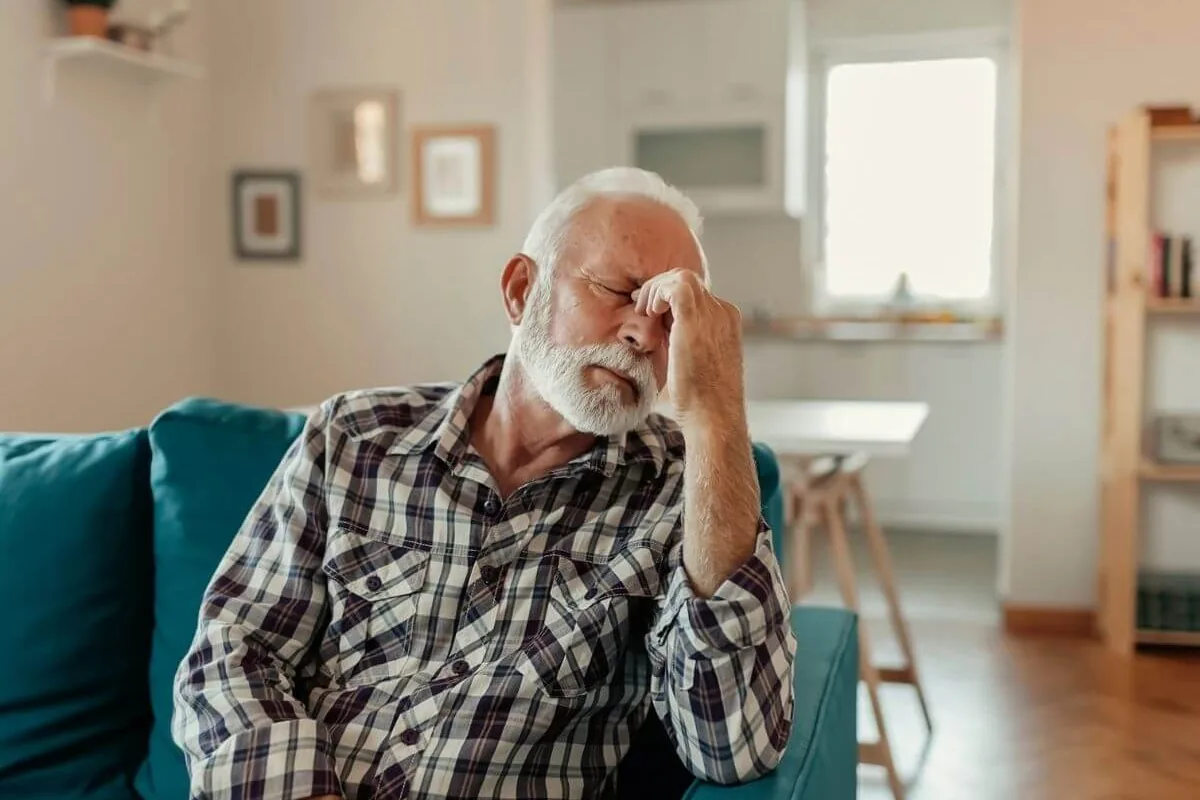
The MSD Manual names depression, anxiety, and relationship problems as frequent causes of low libido. Depression can sap motivation and pull people away from activities they used to enjoy, sex included. A review of antidepressant research notes that depression itself is linked to lower desire and less sexual activity, even before any medicine is involved.
Anxiety works differently. It raises stress hormones, and those can lower sex drive. Low self-esteem, poor body image, and past sexual trauma such as abuse or assault can also make desire hard to reach.
Talking with a therapist can help you work through anxiety or depression that is holding desire back. If an antidepressant then dulls desire, the dose or drug can often be adjusted.
Stress, sleep, and fatigue
Stress from work, family, or daily life competes directly with desire. Researchers have found that stress hormones can dampen both sexual desire and response. Feeling too tired for sex is also common.
Sleep ties these together. The Sleep Foundation reports that sleep deprivation and sleep disorders can lower libido and arousal, and it describes good sleep as at least seven hours. In a small 2015 study of women, more sleep the night before was linked to higher desire the next day. Shift work that throws off your body clock can add to the problem.
Our page on stress, sleep, and libido covers this in more depth, with practical ways to protect both.
Relationships and life stage
Relationships and life stages both matter a great deal. How you feel about your partner shapes desire, and so do the big life stages that change your body and your days.

Relationship factors
When a couple struggles in other parts of their relationship, their sex life often suffers too. A lack of trust or closeness can lower desire. So can reduced attraction and a simple lack of time or privacy.
Familiarity plays a part as well. Many couples have a lot of sex early on and find it slows over time. A mismatch, where one partner regularly wants more sex than the other, is also common.
None of this means the relationship is failing. Counselling can teach communication skills and ways to build intimacy that do not depend on sex. UCSF also stresses that open, honest talk between partners about what each one wants is essential.
Pregnancy, parenthood, menopause, and aging
Pregnancy and a new baby bring hormone changes, stress, and exhaustion, which the NHS lists as a common cause of low desire. Breastfeeding also changes hormone levels. If your sex drive does not come back after pregnancy, the NHS suggests seeing a GP.
Menopause brings falling estrogen. That can cause hot flashes and night sweats that disturb sleep, plus vaginal dryness that makes sex painful. The U.S. Office on Women’s Health notes that some people also feel less interest in sex or need more time to become aroused. Yet the experience varies. The Menopause Society says some people lose desire at midlife, some gain interest, and some notice no change.
In men, libido tends to fall gradually with age. Desire does not simply switch off, though, and there is no normal amount of sex at any age. Read more in our guide to aging and libido.
Alcohol, smoking, and other drugs
A drink can lower inhibitions in the moment, but regular heavy drinking tends to drain desire over time. The NHS lists drinking too much alcohol as one of the main causes of a low sex drive.
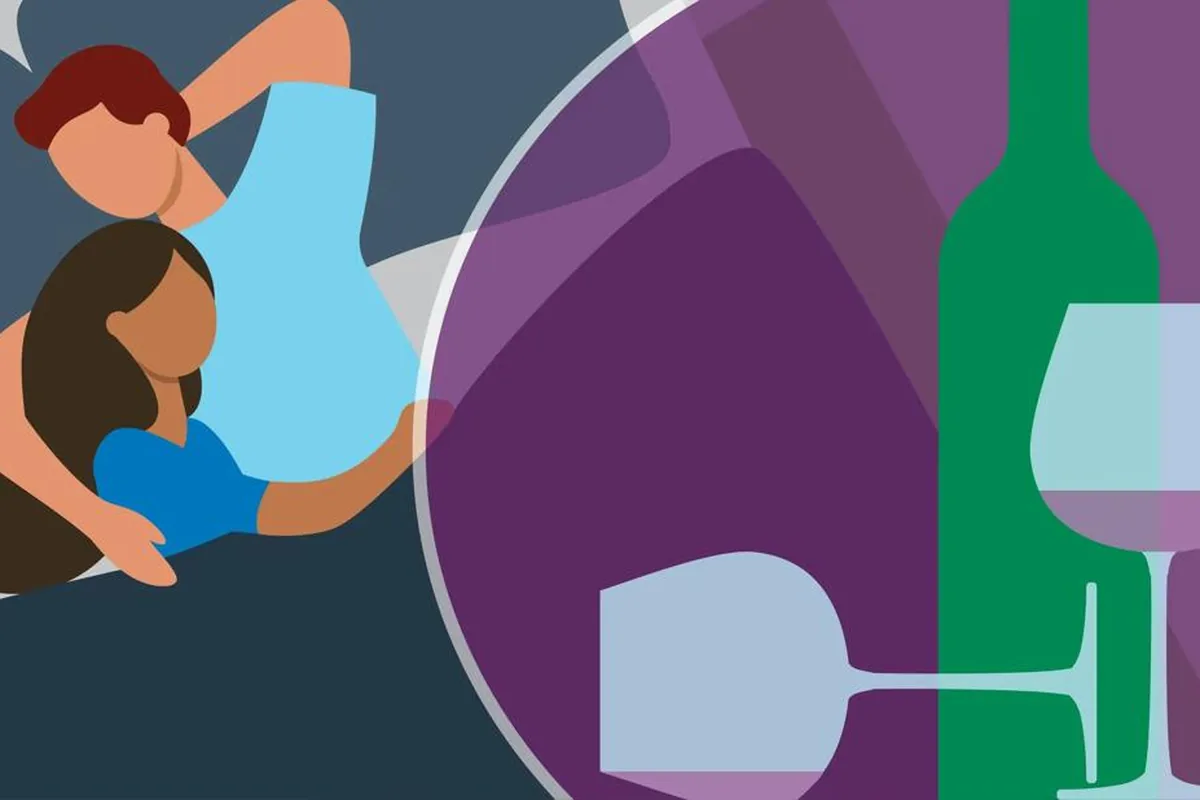
Drinkaware explains that heavy or long-term drinking can lower testosterone and reduce libido in men. In women, heavier drinking can reduce arousal and natural lubrication, and long-term use can disrupt hormones and lower libido. Alcohol also harms sleep, mood, and weight, which all feed back into desire. UK guidance advises no more than 14 units a week, spread over three or more days.
Smoking has its own effects. Cleveland Clinic notes that it can suppress testosterone. It also harms the heart and blood vessels, and some people find their energy and sex drive improve after quitting.
Recreational drugs can lower libido too. If you rely on any substance to feel relaxed about sex, that is worth discussing with a doctor.
Quick reference: factors that lower or raise libido
Use this table to spot which factors might apply to you. Each row sums up how the factor can lower desire, what tends to help, and where to read more.
| Factor | How it can lower desire | What tends to help | Read more |
|---|---|---|---|
| Chronic illness | Pain, fatigue, and treatment effects, as with diabetes, heart disease, or cancer | Good control of the condition, such as weight and blood sugar | Physical health section above |
| Hormones | Low testosterone, falling estrogen, high prolactin, or thyroid problems | Testing and, where levels are low, hormone treatment | Hormones and libido |
| Medications | Antidepressants, blood pressure drugs, and hormonal birth control | A dose change or a different drug, agreed with a doctor | Medications section above |
| Mental health | Depression, anxiety, low self-esteem, or past trauma | Therapy and treatment of the underlying condition | Mental health section above |
| Stress and sleep | Stress hormones and short or broken sleep | Stress management and enough sleep | Stress, sleep, and libido |
| Relationship | Conflict, low trust, familiarity, or mismatched desire | Open talk, counselling, or couples therapy | Relationship section above |
| Cycle and life stage | PMS, pregnancy, menopause, and aging | Time, treatment for dryness or symptoms, patience | Menstrual cycle and aging |
| Alcohol and smoking | Lower testosterone and dulled arousal | Cutting back and quitting smoking | Alcohol section above |
What tends to raise libido
Desire usually comes back once the cause is dealt with. The NHS puts it simply: treating the cause should help. Some changes you can make yourself, and others need a clinician.
Everyday habits that help
Movement is a good place to start. A UCLA Health internist notes that men who exercise regularly have higher testosterone and greater libido than sedentary men. Balance matters, though. Very heavy endurance training can disrupt hormones, and exercise volume only looked like a concern above 10 hours a week.
Other habits add up. Cleveland Clinic suggests eating well, cutting back on alcohol, and keeping conditions like diabetes or heart disease under control. Stress tools such as journaling, exercise, and meditation can lift both mood and sex drive. Sleep, a moderate weight, and quitting smoking may help too.
Connection counts as much as health. Talking openly with your partner about what you each need often makes a real difference. There is no proven way to boost libido quickly, but rest, exercise, and unhurried kissing and touching may help.
Treatments a clinician may offer
Treatment depends on the cause. A doctor might change a medicine that is dampening desire, or treat a condition such as depression. Men with clearly low testosterone may be offered replacement therapy. The MSD Manual cautions that it is only advised when levels are objectively low, and it can cause infertility.
For women with low desire, menopause hormone therapy may help. Two non-hormonal medicines, flibanserin and bremelanotide, are FDA-approved for women with hypoactive sexual desire disorder, a lasting and distressing loss of desire rather than an ordinary dip. Sources differ on who qualifies. Cleveland Clinic describes them for women who have not reached menopause, while the Office on Women’s Health says flibanserin is approved for women under 65, before or after menopause. Individual, couples, and sex therapy help with psychological and relationship causes.
When a change in libido is worth seeing a doctor
See a doctor when a change in libido bothers you or strains your relationship. You do not need a medical reason to ask. Book an appointment if:
- you are worried about your low sex drive, even if nothing else seems wrong
- you think a medicine or hormonal contraception is affecting your desire
- your sex drive has not returned after pregnancy
- low desire has lasted a while or keeps coming back and troubles you or a partner
- you also have other symptoms, such as erection problems, pain during sex, or vaginal dryness
- your mood is low, or you feel anxious or hopeless much of the time
A sudden or unexplained drop deserves attention too. UCSF notes that low libido can sometimes be a sign of a serious underlying condition.
The visit itself is usually simple. Expect questions about your health, medicines, relationship, and how you feel about sex. Your doctor may suggest blood tests for hormone levels, and a pelvic exam for women. For men, the MSD Manual advises measuring testosterone before 10 AM, because levels fall during the day.
It can feel awkward to raise the subject. Doctors hear about it often, and talking to one is a common first step toward feeling better.
Frequently asked questions
What does it mean to have low libido?
Low libido means you feel less interested in sex than you used to. You may want it less often, or the desire may feel weaker. It can be brief or last a long time. It is only a problem if it bothers you or your relationship, since there is no right or wrong level of desire.
What triggers high sex drive?
High desire usually reflects good health, steady mood, rested energy, and a relationship that feels close and safe. Early in a relationship, many couples have a lot of sex. Hormones play a part, and some people have naturally higher desire. A drive that feels out of control or causes distress is worth discussing with a doctor or therapist.
What triggers female sex drive?
Context matters a lot. Some women feel desire out of the blue, while others feel it mainly once the situation feels right. Closeness, trust, rest, and low stress tend to help. Pain during sex, vaginal dryness, exhaustion, and some hormonal birth control can dampen it. Hormone changes in pregnancy and menopause play a part too.
How do I get my libido back?
Start by finding the cause, because treatment depends on it. Look at sleep, stress, alcohol, medicines, and your relationship. Regular exercise, eating well, and talking with your partner can all help. If those changes are not enough, a doctor can check hormones and medications and suggest therapy or treatment.
What are the common causes of low libido in men?
Depression, anxiety, and relationship problems are among the most frequent. Low testosterone is another, especially with age, along with medicines such as antidepressants. Erection or ejaculation problems can cause anxiety that lowers desire. Heavy drinking can lower testosterone and libido too.
The bottom line
Libido is shaped by many forces at once: health, hormones, medicines, mood, stress, sleep, relationships, life stage, and habits like drinking. Changes in desire are common and usually have a cause you can find. Start with the factors that fit your situation, use the deeper guides linked above, and talk to a doctor if a change worries you or affects your relationship. Help is available, and most people can feel more like themselves again.
Related reading
- Stress and Libido: How Stress and Sleep Shape Your Sex Drive
- Hormones and Libido: How Each Hormone Affects Desire
- Menstrual Cycle and Libido: How Desire Can Shift Through the Month
- Aging and Libido: How Sexual Desire Changes With Age
Sources
- Libido - Better Health Channel (Victoria State Government)
- Low Libido (Low Sex Drive) Causes & Treatment - Cleveland Clinic
- Low sex drive (loss of libido) - NHS
- Decreased Libido (Low Sex Drive) - UCSF Department of Urology
- Decreased Libido in Men - MSD Manual Consumer Version
- Is your medication killing your sex drive? - Harvard Health Publishing
- Antidepressant-associated sexual dysfunction: impact, effects, and treatment - Drug, Healthcare and Patient Safety (Higgins et al., via PubMed Central)
- The Relationship Between Sex and Sleep - Sleep Foundation
- 10 natural ways to boost libido (sex drive) - Medical News Today
- Sexual Health - The Menopause Society
- Menopause and sexuality - U.S. Office on Women’s Health
- Is alcohol affecting your sex life? - Drinkaware
- Ask the Doctors - Can working out too much affect your libido? - UCLA Health