What Happens During an Orgasm? Your Body and Brain, Explained
What happens during an orgasm: heart rate, breathing, pelvic floor contractions, the brain's reward system, hormones like oxytocin, and the refractory period.

General education, not medical advice. If something here worries you, talk with a clinician.
Table of Contents
So what happens during an orgasm? Within seconds, the tension that built up during arousal is released in a wave of rhythmic muscle contractions. Your heart beats faster, your breathing speeds up, and your brain releases a burst of chemicals that feel good and help you relax.
That short peak involves far more than the genitals. The pelvic floor, the heart and lungs, the skin, and several parts of the brain all play a part. Hormones such as oxytocin, dopamine and prolactin rise around the same moment.
This guide walks through those changes in order, from the first contraction to the recovery afterwards. It also covers how orgasm differs between bodies, and the signs that mean it is worth talking to a doctor.
Where orgasm fits in the sexual response cycle
Orgasm is one stage in a longer process, not a stand-alone event. In 1966, the researchers William Masters and Virginia Johnson described a four-phase model of sexual response. The phases are excitement, plateau, orgasm and resolution.
During excitement and plateau, two things build up. Blood flows into the genitals and other tissues so they swell, which researchers call vasocongestion. Muscles across the body tense, which is called myotonia. Orgasm is the moment this built-up tension is suddenly released.
The orgasm phase itself is the shortest of the four. Cleveland Clinic notes that it usually lasts a few seconds, though it can last longer. Other estimates run longer, partly because they measure the whole felt peak rather than just the contractions; the FAQ below gives the figures. Resolution then brings the body back to its resting state.
If you want the full picture of every phase, including desire and arousal, see our guide to the sexual response cycle. The rest of this page zooms in on those few seconds at the peak.
What happens in your body during an orgasm
Your whole body takes part in an orgasm. The heart and lungs speed up, the pelvic muscles contract in a steady rhythm, and many people notice warmth, sweating or a flush on the skin.

Heart rate, blood pressure and breathing
Heart rate, blood pressure and breathing rate all climb during orgasm. A review in the journal Fertility and Sterility lists breathing of up to 40 breaths a minute, a fast heart rate and high blood pressure as typical signs.
These peaks sound dramatic, but they are moderate. In a study summarised by Harvard Health, men’s heart rate during intercourse rarely went above 130 beats a minute. Their systolic blood pressure nearly always stayed under 170. Overall, sex counts as mild to moderate exercise, roughly like raking leaves. If you have a heart condition, your doctor can tell you what level of activity is safe for you.
Pelvic floor contractions
The defining physical sign of orgasm is a series of rhythmic contractions. Muscles in the genitals and around the anus squeeze about once per second. Planned Parenthood says this happens about 5-8 times. Other sources give slightly different counts for different bodies, as the section on differences explains.
Brown University’s health service gives a more precise figure. The contractions in the sexual organs, the pelvic floor and the anus come about 0.8 seconds apart. That timing is the same for people of all genders.
The pelvic floor is the sling of muscle that supports the bladder, bowel and sexual organs. At orgasm, it is the engine behind the pulsing sensation many people describe. In people with a vulva, the lower vagina and the uterus contract too.
Muscle tension, flushing and other signs
The tension that built up during arousal can show up well beyond the pelvis. Some people notice facial grimacing or a tightening of the rectal muscles at the peak. Others feel warmth, sweating, body vibrations or a brief sense of altered awareness.
Skin colour can change as well. A “sex flush” can redden the chest, neck and face for a short time. It fades once the body settles again.
What happens in your brain during an orgasm
Your brain is where the pleasure of orgasm is actually felt. Brain scans show that many separate regions switch on at the same time, while some areas linked to caution and judgement become quieter.
The reward system switches on
Scientists study this with fMRI and PET scans, which track blood flow and activity in the brain. Areas that light up at orgasm include the sensory region for the genitals, motor areas, the thalamus and the hypothalamus. The thalamus helps combine touch and movement signals, and the hypothalamus produces oxytocin.
A PET study described in Fertility and Sterility found the strongest activity in a deep midbrain zone that includes the ventral tegmental area. That small region makes dopamine, the chemical at the centre of the brain’s reward system. The same study saw activity rise in the cerebellum, which coordinates movement.
These reward pathways are not unique to sex. They are the same networks that respond to a good meal or a favourite song. Psychologists interviewed by Business Insider describe dopamine as partly a learning signal, helping the brain notice rewards and seek them again.
Why it can feel like losing control
Some brain areas become less active at the peak. Psychologists quoted by Business Insider say the lateral orbitofrontal cortex, an area tied to reasoning and judgement, becomes less active during sex. They link that drop to lower fear and anxiety, though the article names no specific study. The PET study also found reduced activity in the amygdala, a region involved in threat and emotion.
This may explain why orgasm can feel like a brief letting go. Keep the limits in mind, though. Imaging studies are small, and they show which regions change, not exactly what each change means.
The hormones released during orgasm
A short surge of several brain chemicals arrives with orgasm. The best known are oxytocin, dopamine, prolactin and endorphins, and each one shapes a different part of how you feel during and after.
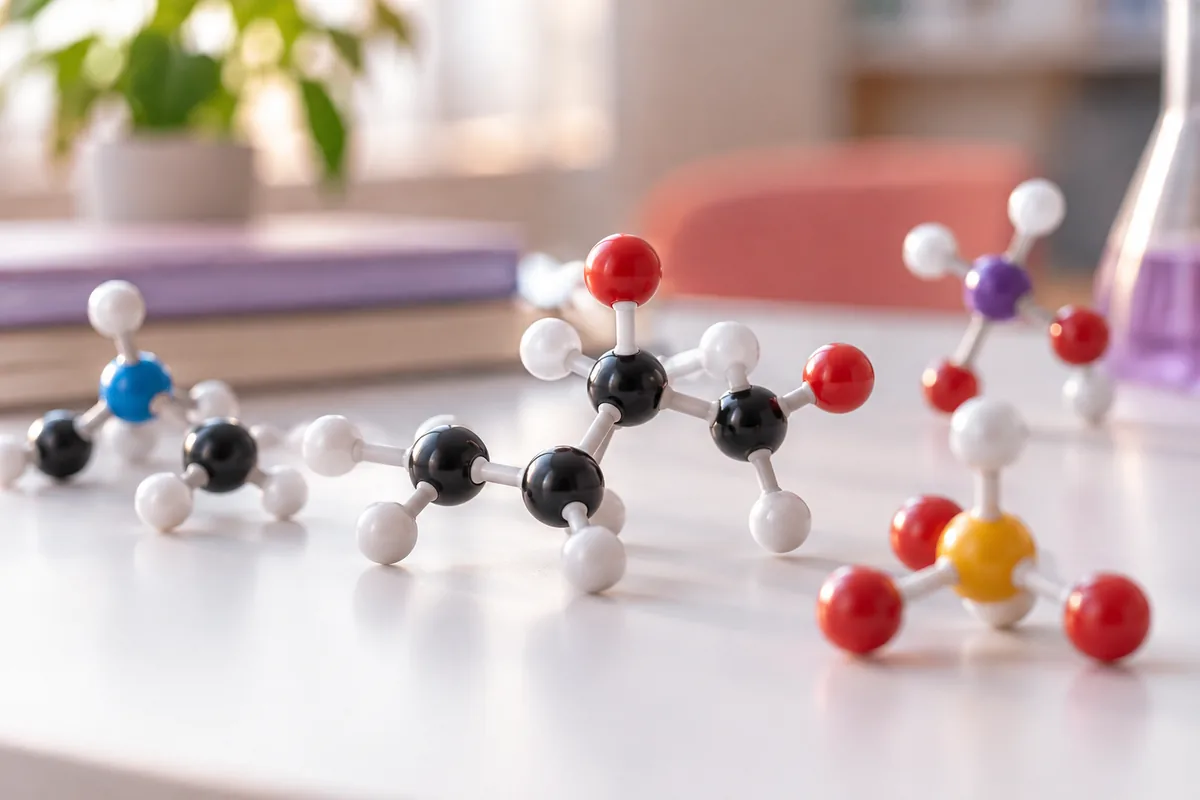
| Chemical | What it does around orgasm | What you might notice |
|---|---|---|
| Oxytocin | Released from the pituitary gland after ejaculation; in men, it helps move sperm through the genital tract | Feelings of closeness and affection |
| Dopamine | Drives the brain’s reward circuit | Pleasure and a lift in mood |
| Prolactin | Rises modestly after orgasm | Possibly a sense of satisfaction, though its role is unclear |
| Endorphins | Released into the bloodstream at orgasm | Feeling happy, relaxed or sleepy |
Oxytocin is often called the bonding hormone. In men, its blood level rises after ejaculation; one review reports increases ranging from 20% to 360% over normal levels. It returns to baseline about 10 minutes later. Oxytocin and dopamine together boost positive feelings and push back against the stress hormone cortisol.
Prolactin rises by a modest amount, about 15-20 ng/mL, after orgasm in men. It is best known as the hormone behind milk production. Some experts link it to the satisfied feeling that follows a climax, but the medical review says the meaning of the rise is unclear. Its link with the wait before another erection is debated, as the next section explains.
Endorphins help explain why some people use orgasm to ease pain, stress or trouble sleeping. The release of endorphins, oxytocin and vasopressin may also make the body less sensitive to pain during sex.
One caution applies to the whole table. Researchers can measure these chemicals rising, but the exact role of each is still being worked out. The Fertility and Sterility review says the meaning of the prolactin and oxytocin rise is not entirely clear.
How orgasm differs between bodies
The core process of orgasm is much the same in every body. Rhythmic contractions, a faster heart and a release of tension happen whatever your anatomy. The differences lie in which organs are involved, what fluid is released, and how quickly another orgasm can follow.
Orgasm with a penis
For most people with a penis, orgasm and ejaculation arrive together. They are still two separate processes. Ejaculation happens in two steps. In the emission phase, the bladder neck closes and fluid from the prostate and seminal vesicles collects in the urethra. In the expulsion phase, rhythmic pelvic muscle contractions push the semen out.
Because the processes are separate, one can happen without the other. Some men still feel orgasmic contractions with a “dry” orgasm, for example after prostate surgery. People with a penis average four to six orgasmic contractions. A medical review puts the range at 4-8 for orgasms from penile stimulation. These counts come from different sources, and they overlap.
Orgasm with a vulva
In people with a vulva, the contractions involve the lower vagina, the uterus, the anus and the pelvic floor. They tend to come in longer runs, averaging six to ten contractions. Most people with a vulva reach orgasm through stimulation of the clitoris rather than through penetration.
About 10 percent of people with a vulva release fluid from the urethra at orgasm, according to Brown University. Other estimates range much higher, from 10 to 70%. Either way, it is normal to release fluid and normal not to.
Multiple orgasms are another difference. Most people with a vulva have no physical recovery period, so further orgasms can follow with continued stimulation. People with a penis can have multiple orgasms too, though it is less common.
No two orgasms feel the same
Even for one person, orgasms change from day to day. Some are intense and some are mild, depending on comfort, excitement and how much tension built up first. Cleveland Clinic stresses that this variation is normal and healthy. One exception is worth knowing. In men, low androgen levels, as in hypogonadism or older age, are linked with weaker orgasms. If orgasms have become much weaker, a doctor can check hormone levels.
After orgasm: resolution and the refractory period
Once the contractions stop, the body begins to unwind. This is the resolution phase, and for many people it is followed by a refractory period, a stretch of time when another orgasm is not possible.
The body returns to baseline
Over the next few minutes, your body slowly returns to normal. Swollen tissues such as the penis or clitoris go back to their usual size and colour. The genitals can feel oversensitive or even uncomfortable to touch.
The nervous system also shifts gear. After orgasm, the calming branch of the nervous system starts to slow the body down. Serotonin may add to the relaxed, drowsy feeling, which is why some people want to sleep.
Why you cannot always go again right away
The refractory period is the time after orgasm when a person is not sexually responsive. In men, it usually means being unable to get an erection or ejaculate again for a while. Its length varies from a few minutes to 24 hours or longer. It also tends to get longer with age.
People with a vulva usually do not have a physical refractory period, although the clitoris may be too sensitive for more touch right away. Anyone can have a psychological one, simply feeling satisfied and not wanting more sex.
Nobody fully understands what causes it. Rising prolactin after orgasm is the classic explanation, but its role is debated. A mouse study at the Champalimaud Foundation found that raising or removing prolactin did not change how fast males recovered. Its authors concluded prolactin is very unlikely to be the cause, while noting that mice and men differ.
When orgasm is hard to reach or feels wrong
Not every body follows the textbook pattern, and that is usually fine. Two situations are worth a closer look: trouble reaching orgasm, and pain or headache that comes with it.
Difficulty reaching orgasm is common. Medical News Today reports estimates that female orgasmic disorder affects between 11 and 41 percent of women. The most common type is situational, where orgasm happens in some settings but not others. The International Society for Sexual Medicine lists causes such as stress, past trauma, alcohol, some medications and conditions like diabetes. If it bothers you, a provider who specialises in sexual health can help find the cause.
Headaches during sex are rarer but deserve attention. NHS guidance notes that a headache at the moment of orgasm is often sudden and explosive. The vast majority are harmless. Still, some can signal a problem with the blood vessels that supply the brain.
Get medical help right away for a first sudden headache during sex. The same goes for headache with vomiting, a stiff neck, fainting or pain lasting more than 24 hours.
Frequently asked questions
What happens physically when a woman comes?
When a woman orgasms, the lower vagina, the uterus, the anus and the pelvic floor contract in a rhythm about 0.8 seconds apart. Heart rate and breathing go up. Some women release fluid, and the chest, neck and face may flush briefly. Right after, the clitoris can be very sensitive to touch.
How does a woman know she has reached climax?
The clearest sign is a peak of intense pleasure followed by a sense of release, often with pulsing contractions in the vagina and pelvis. Some orgasms are mild, though. Brown University notes that some women have orgasms without realising it, because the feeling does not match what they expected.
What hormone is released during orgasm?
Several are released together. Oxytocin and dopamine boost mood and closeness. Prolactin rises after orgasm and is tied to feeling satisfied. Endorphins add to the relaxed, sleepy feeling many people notice afterwards.
How long does an orgasm last?
Estimates differ, mainly because sources measure different things. Cleveland Clinic says the peak usually lasts a few seconds, the span of the main contractions. Medical News Today gives a longer range of about 20 to 35 seconds for female orgasms, and quotes an expert who puts orgasms in general at 10 to 60 seconds. Length varies from person to person and from one orgasm to the next.
How long should you wait for round two?
There is no fixed rule. For men, the refractory period can last from a few minutes to 24 hours or longer. It often gets longer with age. Many women can have another orgasm soon after the first with continued stimulation.
The bottom line
An orgasm lasts only seconds, but it involves your whole body. Tension that builds during arousal is released through rhythmic pelvic floor contractions, while your heart and breathing speed up. At the same time, your brain’s reward system floods you with dopamine, oxytocin, prolactin and endorphins. Then the body settles, and many people pass through a refractory period before they can climax again.
How strong it feels, how long it lasts and how quickly you recover all vary, and that variation is normal. If orgasm has become hard to reach, or it comes with pain or a sudden headache, talk to a doctor. To see how this peak fits into the bigger picture, read our guide to the sexual response cycle.
Related reading
- Ejaculation vs Orgasm: Two Separate Processes That Usually Happen Together
- The sexual response cycle
- What Is Sexual Pleasure?
- What Is Sexual Arousal?
Sources
- What is an Orgasm? Types & Health Benefits - Cleveland Clinic
- Orgasm: What is it, what does it feel like, and more - Medical News Today
- Normal male sexual function: emphasis on orgasm and ejaculation - Fertility and Sterility (Alwaal, Breyer, Lue)
- Is sex exercise? And is it hard on the heart? - Harvard Health Publishing
- Orgasms - Planned Parenthood
- Orgasm - Brown University BWell Health Promotion
- Here’s What Happens to Your Body And Brain When You Orgasm - ScienceAlert (Business Insider)
- The refractory period: What to know, and can you shorten it? - Medical News Today
- Why do males have to wait for “round 2”? The reason may be different from what we think. - Champalimaud Foundation
- Orgasmic dysfunction: Symptoms, causes, diagnosis, and treatment - Medical News Today
- What is anorgasmia (a.k.a. orgasmic disorder)? - International Society for Sexual Medicine
- Sexual activity headache - NHS Borders (Right Decisions, NHS Scotland)
- Sex headaches - Augusta Health