What Is Exhibitionism in Sex? Consent, Disorder, and the Law
What exhibitionism in sex means, how a consensual kink differs from exhibitionistic disorder, where dogging fits, and the legal risks of public sex.

General education, not medical advice. If something here worries you, talk with a clinician.
Table of Contents
Exhibitionism in sex means feeling aroused by being seen, whether that is being looked at naked or being watched during sex. On its own, the interest is common and can be part of a healthy sex life. What decides whether it stays that way is consent. When everyone who can see you has agreed to watch, it is a kink. When someone has not agreed, it can be harm, a mental health condition, or a crime.
This guide explains the difference between a consensual kink and exhibitionistic disorder. It also covers where dogging fits in, what the law says about public sex, and why bystanders matter so much. The last part offers private, legal ways to explore the thrill of being watched.
What exhibitionism means
A desire to be seen
Doctors use the word in two related ways. The MSD Manual describes exhibitionism as sexual excitement from exposing the genitals, usually to an unsuspecting stranger. The same entry notes a second form: a strong wish to be watched by other people during sex.
Those two forms are very different in practice. The first involves someone who never agreed to be part of the act. The second can happen entirely between willing adults. For some people, the MSD Manual explains, the appeal is being seen by a consenting audience, not surprising anyone, and they rarely feel distress about it.
What is an example of exhibitionism?
Consensual examples are often ordinary. A person might undress slowly for a partner with the lights on, or share a nude photo with someone who asked for it. Others enjoy sex at a club where every guest has agreed to see nudity and sexual activity.
Non-consensual examples look different. Flashing a stranger on a train or in a park is the classic case, and the law calls it indecent exposure. The person on the receiving end did not choose to be involved, which is what turns a private fantasy into harm.
Where dogging fits
Dogging is British slang. Cambridge Dictionary defines it simply as sexual activity between people in a public place. In common use, the word also covers people who gather to watch, often in parked cars or remote car parks.
Because onlookers are part of the scene, dogging sits where exhibitionism and voyeurism overlap. Some participants arrange to meet and watch each other by agreement. The trouble is that a public place is never fully controlled, so a dog walker, a driver or a child can see what they never agreed to see. That gap is why dogging carries legal and ethical risks that a private setting does not.
Exhibitionism vs voyeurism vs nudism
These three words get mixed up because they all involve nudity and being seen. They describe different things, though. Exhibitionism is about being watched, voyeurism is about watching, and nudism is not sexual at all.
| Exhibitionism | Voyeurism | Nudism | |
|---|---|---|---|
| What it centers on | Being seen nude or during sex | Watching others undress or have sex | Living or relaxing without clothes |
| Is it sexual? | Yes | Yes | No, it is a lifestyle, not a kink |
| Healthy version | Showing off for a partner or a consenting audience | Watching a partner or performers who agreed to be seen | Clothing-optional beaches, clubs or resorts |
| Harmful version | Exposing yourself to people who did not agree | Spying on unsuspecting people | Rare, though public nudity laws still apply |
The harmful versions share one feature. Someone who did not agree becomes part of another person’s sexual experience. Psychology Today describes the voyeuristic disorder pattern as arousal from spying on unsuspecting people, the mirror image of flashing.
Many people enjoy both sides. A couple might take turns being the one who performs and the one who watches. That is fine as long as the audience is limited to people who said yes.
Consensual kink vs exhibitionistic disorder
Having an exhibitionist fantasy is not a mental illness. Most people with exhibitionist interests do not meet the criteria for a disorder, according to the MSD Manual. The diagnosis depends on what a person does with the urge and how it affects them.
How common the interest is
The answer depends on how you define it. A 2021 study in Archives of Sexual Behavior summed up earlier research this way. Interest in exposing yourself to a stranger sits at around 4 percent of people. It rises to about 31 percent when it includes acts like having sex where a stranger might see.
In that study’s own UK sample, most people felt put off by the idea. About 8.9 percent rated exhibitionism as neutral or arousing. Willingness to actually do it was low for both men and women.
The disorder itself is rarer than the broad interest. Medscape, drawing on the DSM-5-TR, puts the highest possible rate of exhibitionistic disorder at 2 to 4 percent of men. Psychology Today gives the same range and notes that women are affected less often. The MSD Manual gives a higher estimate of up to 8 percent of men, which shows how uncertain these numbers are.
What makes it a disorder
The DSM-5-TR is the manual clinicians use to diagnose mental health conditions. Under it, exhibitionistic disorder needs three things:
- Repeated, intense arousal from exposing the genitals to an unsuspecting person, through fantasies, urges or behavior.
- Either acting on those urges with a nonconsenting person, or significant distress or problems in daily life because of them.
- A pattern lasting 6 months or more.
So the line is clear. A person who enjoys being watched by a willing partner, and feels fine about it, does not have a disorder. A person who exposes themselves to strangers, or feels driven and ashamed by urges they cannot manage, may need help.
How to tell if someone is an exhibitionist
Signs of a healthy interest are easy to spot in yourself. You might fantasize about being watched, enjoy dressing up for a partner, or feel a thrill when a lover looks at you. These feelings fit within ordinary sexuality when they stay between people who agree.
Warning signs are different. They include urges aimed at strangers, risk-taking that keeps growing, and guilt or distress after acting. Losing time, money or relationships to the urge is another signal. Any of these suggests talking to a professional, covered later in this guide.
What the law says about public sex and indecent exposure
Yes, public sex can be a crime in most places, and dogging is no exception. The details change from country to country and from state to state. The common thread is simple: the law steps in when other people can see, or are likely to see, sexual activity they did not agree to. This section is general information, not legal advice.
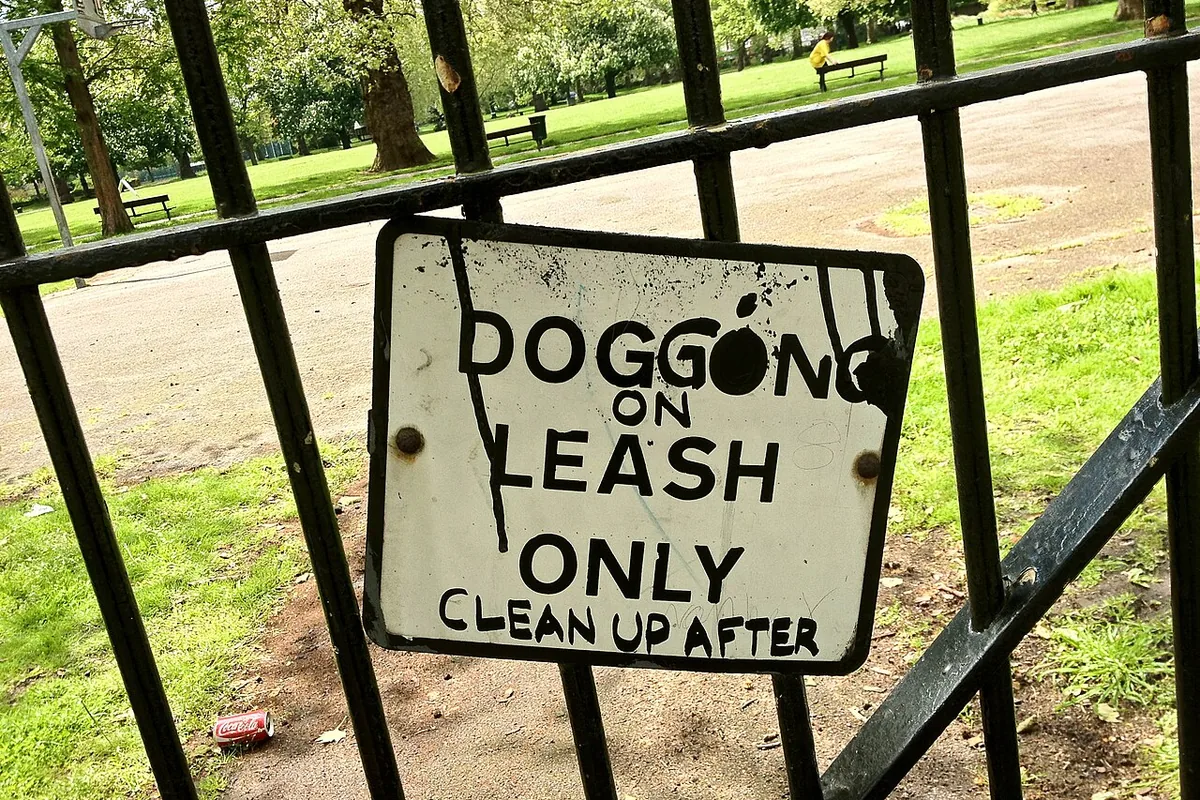
Indecent exposure in the United States
Each state writes its own indecent exposure law. Washington’s statute covers intentional, obscene exposure when the person knows it is likely to cause reasonable affront or alarm. There, a first offense is usually a misdemeanor, which carries up to 90 days in jail and a $1,000 fine. Exposure to a child under 14 is a gross misdemeanor, and a repeat offense is a felony.
People are often surprised by what counts. A Texas defense firm notes that indecent exposure charges there can cover sex in a parked car in a public parking lot. The same firm describes the Texas offense as a Class B misdemeanor, with up to 180 days in jail and a fine of up to $2,000. Penalties change, so check your own state’s current statute.
When sex-offender registration comes in
Registration is the consequence that tends to follow people for years. It also varies widely by state. These examples come from defense firms, not from the statutes themselves:
- Texas: a Texas firm says a first offense does not require registration, but a second violation brings 10 years on the sex offender registry.
- California: a California defense firm explains that even a misdemeanor conviction can require registration for at least ten years.
Being on a registry can affect where you live and work. That is a heavy price for one risky night out.
Is dogging a crime in the UK?
It can be. In England and Wales, one charge that can apply to sex in public is outraging public decency. It is a common-law offence of doing a lewd, obscene or disgusting act in public that outrages public decency. Prosecutors can use it when an act falls outside the exposure laws.
That matters for dogging. Section 66 of the Sexual Offences Act 2003 makes exposure a crime when someone intends to cause alarm, distress or humiliation. It also covers exposing for sexual gratification while reckless about that harm. Prosecutors note that a consenting couple who are seen by accident in a secluded spot fall outside Section 66, though outraging public decency may still apply. The Act also makes any sexual activity in a public toilet an offence.
Watching is a separate question. Voyeurism covers watching or recording someone’s private act when they have not agreed. So it is less likely to fit people who watch by arrangement. It can apply to anyone who films or watches people who did not consent, including bystanders caught up in the scene.
Why bystander consent is the line
A willing partner makes the act consensual between the two of you. It does nothing for the people walking past. That is the main reason public sex is treated so differently from the same act behind a closed door.
Two people agreeing is not everyone agreeing
In a park, a car park or a beach, you cannot control who turns up. A jogger, a parent with a child, or a worker on a night shift never agreed to watch. The laws above reflect this in different ways. Washington’s exposure law asks whether the act is likely to cause reasonable affront or alarm. In England and Wales, prosecutors say a consenting couple seen by accident in a secluded spot may still face a charge of outraging public decency.
Age matters too. WebMD stresses making sure anyone who sees you is of legal age. In a public place, there is no way to guarantee that.
What it is like to be on the other side
Being exposed to someone’s sexual behavior without warning is common, and it is often upsetting. The MSD Manual reports that between 30 and 59 percent of people have been targets of exhibitionistic acts at some point. Most of those targets are women.
Psychology Today describes a study of 846 female college students. In it, 33 percent had experienced indecent exposure, and 38 percent of those found it moderately to severely distressing. Other research describes lasting feelings of being violated.
Those numbers come mostly from flashing, which is more direct than stumbling across a couple in a car. The principle still holds. A person who did not choose to be in the audience has been pulled into someone else’s sex life.
If you are the one who sees it
Flashing is against the law across the United States, and Psychology Today notes that people exposed to it can call the police. If the memory keeps coming back or stirs up older trauma, a therapist can help you work through it. You did nothing wrong by seeing it, and you do not have to brush it off.
Safer, private ways to explore being watched
The thrill of being seen does not need strangers. Most of what makes exhibitionism exciting is the feeling of an audience, and a willing partner can provide that. These options keep everyone involved by choice and keep you on the right side of the law.

Start with a partner at home
WebMD suggests beginning with your fantasies and asking whether they are realistic and safe. Then talk with your partner about what appeals to you, set clear limits, and agree on a safe word. Start slowly, in the privacy of your bedroom.
From there, the options are wide. You could undress with the lights on, dress up in something that makes you feel bold, or role-play a scene where one of you performs. Choosing Therapy lists role-play with a partner as a common consensual way to explore the fantasy. A mirror in the room can add the sense of being watched without anyone else present.
Adult venues where everyone opted in
Some people want a real audience. Clubs exist where guests have agreed in advance to see nudity and sex. These spaces work because the consent is built in: every person in the room chose to be there. Before going, check the venue’s house rules and local laws.
Nudist beaches and resorts are a different thing. WebMD points out that many places allowing nudity are not sexual in nature. Treating them as a backdrop for sex ignores what the other guests signed up for.
Photos and video, with care
Sharing images with a partner who wants them is another outlet. Only send them to people you trust, and only when they have asked.
Sending them unasked is a different matter. In England and Wales, sending a photo of genitals to cause alarm or distress, or for sexual pleasure while reckless about the recipient’s reaction, became a crime in 2024. The maximum sentence is 2 years. In the United States, a few states have passed or proposed similar cyberflashing laws. A 2022 Bumble survey reported that 46 percent of respondents had received unsolicited obscene images.
When to talk to a professional
Talk to a professional if your urges involve strangers, feel hard to control, or leave you ashamed and distressed. Early help can stop a fantasy from turning into a choice that hurts someone or ends in a criminal record. Psychology Today notes that most people with exhibitionistic disorder only start treatment once the authorities require it.
When someone has broken the law and been labeled a sex offender, the MSD Manual says treatment usually begins with talk therapy, support groups and SSRIs. Cognitive behavioral therapy, a structured talk therapy, helps people spot their triggers and manage urges in healthier ways. Therapists may also add relaxation training, empathy training and coping skills work. Doctors may prescribe SSRIs, a common type of antidepressant that can lower sex drive. In severe cases, medicines that reduce testosterone may be considered, with full informed consent.
Finding the right person matters. Choosing Therapy recommends a therapist certified by AASECT, the American Association of Sexuality Educators, Counselors and Therapists. Anyone can call themselves a sex therapist, so the certification is a useful check.
If your interest is consensual and causes you no distress, you do not need treatment. A sex-positive therapist can still help a couple talk about it, if that conversation feels hard to start.
Frequently asked questions
What does dogging mean in slang?
Dogging is British slang for sexual activity between people in a public place. It usually also includes people who come to watch, often in cars or quiet car parks. Because it mixes being seen with watching, it overlaps with both exhibitionism and voyeurism. The public setting is what makes it legally risky.
Is dogging a crime in the UK?
It can be. In England and Wales, sex in a public place can be charged as outraging public decency, a common-law offence covering lewd acts done in public. Sexual activity in a public toilet is a separate offence under the Sexual Offences Act 2003. The exposure offence needs an intent to cause alarm, distress or humiliation, or recklessness about it, so it fits some cases and not others. Scotland and Northern Ireland have their own laws.
Is exhibitionism a mental illness?
No, not on its own. Most people with exhibitionist interests do not have a disorder, according to the MSD Manual. Clinicians diagnose exhibitionistic disorder only when a person is aroused by exposing their genitals to an unsuspecting person. They must also have acted on it with someone who did not consent, or be distressed by it, for 6 months or more. A fantasy you enjoy with a willing partner does not qualify.
Is sending nudes a form of exhibitionism?
Sometimes. Sharing nude photos with a partner who wants them is a consensual form of exhibitionism. Sending unsolicited images is different. Psychology Today notes it may reflect exhibitionism, but also power dynamics or a sense of entitlement. In England and Wales it can be a crime.
Can exhibitionism be healthy?
Yes. When it happens between consenting adults and causes no distress, exhibitionism can be a healthy and fulfilling part of a relationship, according to Psychology Today. The key is that everyone who sees you has agreed to it. Private play, trusted partners and opt-in adult venues keep it that way.
The bottom line
Wanting to be seen is a normal part of many people’s sexuality. It becomes a problem when the audience includes people who never agreed to watch. That single question of consent separates a fun kink from exhibitionistic disorder, and often from a criminal charge.
Public sex and dogging put that consent out of your hands, along with your record and sometimes your place on a registry. Private play, a willing partner and venues where every guest opted in give you the same thrill with none of those risks. If the urges ever feel bigger than you can manage, a qualified therapist is the next step.
Related reading
- What Is a Sex Fantasy? How Common They Are, Roleplay, and Consent
- What Is Considered Kinky Sex? Kink, BDSM and S&M Explained
- What Is Group Sex? Terms, Consent, and Safer-Sex Basics
- Arousal and consent
Sources
- Exhibitionism: What Does It Mean? - WebMD
- Exhibitionistic Disorder - MSD Manual Professional Edition
- DOGGING | English meaning - Cambridge Dictionary
- Voyeuristic Disorder - Psychology Today
- Sex Differences in Voyeuristic and Exhibitionistic Interests - Archives of Sexual Behavior (via PMC)
- Paraphilic Disorders: Background, Etiology, Epidemiology - Medscape
- Exhibitionism - Psychology Today
- RCW 9A.88.010 Indecent exposure - Washington State Legislature
- RCW 9A.20.021 Maximum sentences for crimes committed July 1, 1984, and after - Washington State Legislature
- Indecent Exposure: From Class B Misdemeanor to Sex Offender - Barnett Howard & Williams PLLC
- California Penal Code 314(1) - Indecent Exposure - Kann California Defense Group
- Public Order Offences incorporating the Charging Standard - The Crown Prosecution Service
- Sexual Offences Act 2003, other offences (as enacted) - legislation.gov.uk (UK Government)
- Exhibitionistic Disorder: Causes & Treatment Options - Choosing Therapy
- Sexual Offences Act 2003, section 66A - legislation.gov.uk (UK Government)
- N.Y. Legislation Would Make ‘Cyberflashing’ Illegal - GovTech (Daily Freeman)