What Causes Sexual Arousal?
Sexual arousal starts when the brain reads something as sexually relevant. Learn the triggers, how the brain and body respond, and what can switch arousal off.
General education, not medical advice. If something here worries you, talk with a clinician.
Table of Contents
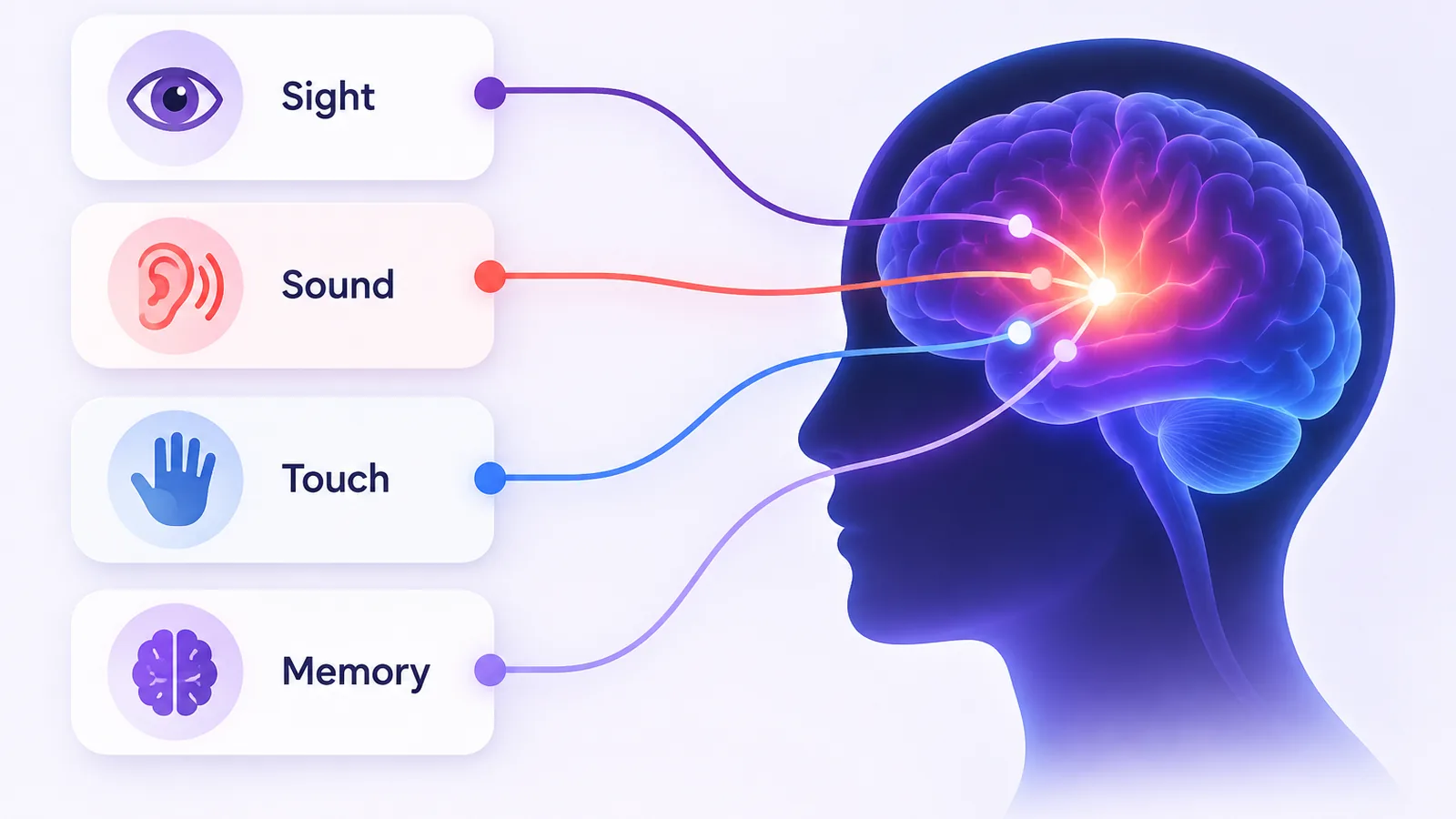
Arousal begins when something is taken as sexually relevant, and the brain’s appraisal of the situation helps decide whether it follows. A touch, a thought or an image can set it off.
The trigger can be touch, a fantasy, or something you read or watch. Whether arousal follows depends on psychological and biological factors that can allow it or block it. That helps explain why the same touch can land differently from one day to the next. For the basics, see what sexual arousal is, and for the sensations, see what it feels like.
Common triggers
Planned Parenthood lists several routes into arousal:
- Sexual stimulation, alone or with a partner.
- Fantasy or sexual thoughts.
- Reading, watching or listening to erotic material.
- Touch to very sensitive body areas, which are often called erogenous zones.
Not everyone is aroused by touch, and triggers are personal. What feels good to one person may not feel good to another, so a partner may need to be asked.
How the brain decides
A review in the Handbook of Clinical Neurology describes sexual response as a cycle that combines subjective experience with physical change. Brain imaging shows a network of thinking, motivational, emotional and automatic body-control systems working together.
The same review says that psychological and biological factors influence how the brain appraises and processes sexual stimuli, which can allow or block arousal. In simple terms, the brain asks whether this stimulus, in this setting, counts as sexual. If the answer is yes, arousal can follow.
The nervous system’s role
Arousal is coordinated by the nervous system at several levels. A review of the neurology of human sexual behavior says it is regulated by subcortical structures such as the hypothalamus, brainstem and spinal cord, and by several cortical areas. The dopamine and serotonin systems appear to play a significant role, and other chemical messengers may contribute.
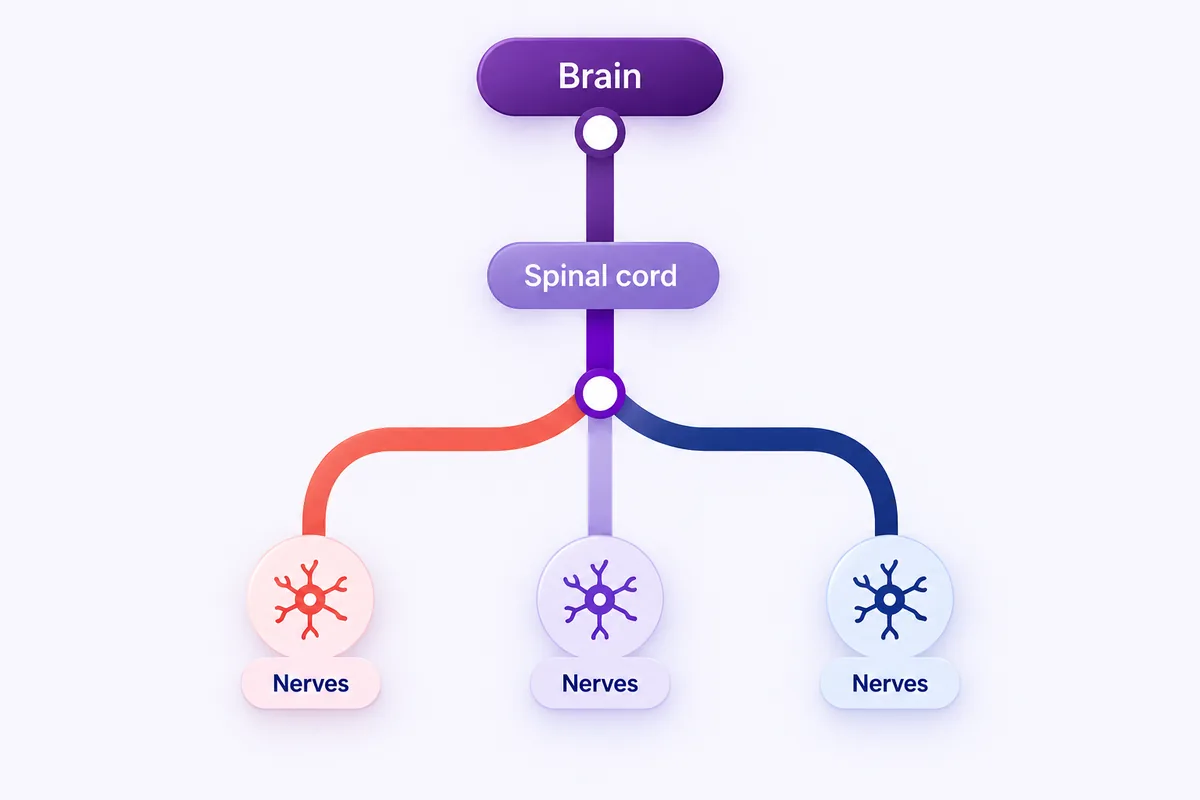
The same review says the neural mechanisms of desire, arousal and orgasm are the same in males and females, although responses differ between genders. It also says the interactions are not fully understood.
A 2024 review of male arousal draws largely on animal studies, mainly in rats. It names the amygdala, the bed nucleus of the stria terminalis, the hypothalamus and several brain-stem structures as controlling the level of arousal. Cortical areas such as the insula regulate the autonomic nervous system. Because so much of that work is in animals, apply it to people with caution.
What happens in the body
One common way to picture it is a sequence, although researchers describe the phases as overlapping and of variable order:
- A stimulus appears. It might be touch, a thought, a fantasy or erotic material.
- The brain appraises it. Psychological and biological factors help decide whether arousal is allowed to follow.
- The body responds. Blood flow to the genitals increases, and heart rate and breathing often rise. The Merck Manual describes the same blood flow causing swelling of the labia and clitoris, along with vaginal secretions.
- The experience feeds back. Sexual and non-sexual outcomes influence motivation for future sexual intimacy.
Clinicians often describe the whole process as the sexual response cycle. Cleveland Clinic lists desire, arousal, orgasm and resolution, and says order and timing can vary. What arousal feels like describes the physical changes in more detail.
For the response in each body, see female sexual arousal and male sexual arousal.
Is the process the same in men and women?
One general review says the neural mechanisms underlying desire, arousal and orgasm are the same in males and females. Responses still differ between genders, which the authors link partly to differences in anatomy and hormonal profiles. That claim rests on a single review, and much male-specific research is in animals.
A separate question is how closely body and feeling match. Laboratory studies find average agreement between genital response and self-reported arousal that is higher in men (.66) than in women (.26).
Why context changes the response
Context plays a large part. The same review also notes that responses vary between people and within a person’s life, influenced by life stage, mental health and relationship happiness.

Arousal and desire are linked in the research too. In an online study of 128 women and 98 men, three sexual conditions raised self-reported arousal compared with a neutral task. The conditions were an erotic story, an unstructured fantasy and an imagined sexual encounter. The same conditions raised state sexual desire. The International Society for Sexual Medicine calls this responsive desire, a wish for sex that often appears after sexual activity or stimulation begins.
These findings come from self-report, so they show what people say about themselves, not a fixed rule. Still, they suggest that desire does not always need to come first. See arousal vs. desire for the full comparison.
What can make arousal harder
Several things can make arousal harder to reach. Most fall into a few groups, and more than one can apply at once.
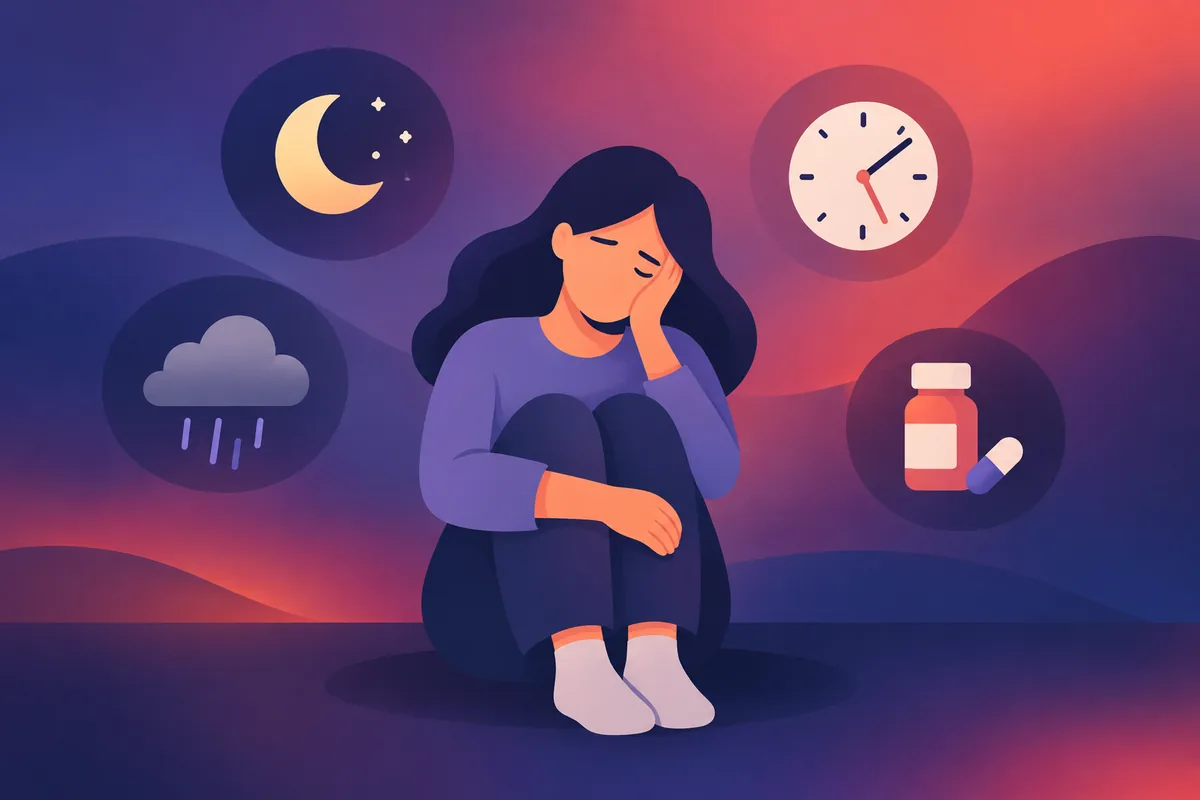
| Group | Examples | Source |
|---|---|---|
| Relationship | Problems with a partner; unhappiness in the relationship | |
| Health | Cancer, diabetes, heart problems, multiple sclerosis, bladder problems; problems with blood flow or nerves | |
| Hormones and life stage | Low sex hormone levels; menopause; recent pregnancy, birth or breastfeeding | |
| Medicines | Some medicines, including antidepressants, blood pressure medicines and chemotherapy | |
| Mind and history | Depression, anxiety and stress; a history of sexual abuse or trauma; body image concerns |
Desire also changes with life circumstances such as new parenthood or illness.
The review of sexual response gives an example from neurologic disease. In that setting, changes to the relationship and to self-image, together with frequent depression, can lessen motivation and temper the brain’s appraisal of sexual stimuli, thereby precluding arousal.
If this is a lasting concern that distresses you, see difficulty getting aroused.
Two common blockers have their own pages: stress and anxiety and medications.
Health, hormones and substances
The nervous, hormonal and blood-vessel systems all take part, so a problem in any of them can affect arousal. The neurology review says disruption of endocrine, neural or vascular response, caused by aging, medical illness, neurological disease, surgery or drugs, can lead to sexual dysfunction.
Cleveland Clinic lists several physical causes. They include kidney or liver failure, heart and vascular disease, neurological disorders such as multiple sclerosis, and alcohol or substance use disorders. It also names hormone changes such as low estrogen or low testosterone.
Frequently asked questions
How does sexual arousal start?
With a stimulus that the brain appraises as sexual. That can be touch, a thought or fantasy, or something you read, watch or hear. The brain’s appraisal then decides whether arousal follows.
Can thoughts alone cause arousal?
They can. Planned Parenthood lists fantasy and sexual thoughts among the ways people become aroused.
Can stimulation create desire that was not there?
Sometimes. Desire often arises in response to sexual activity or stimulation, which is called responsive desire. In one online study, sexual stimuli raised both arousal and state desire. It cannot be counted on every time, and no one should feel pressured.
Is arousal controlled by the brain or the body?
Both take part. The brain appraises a stimulus and helps decide whether arousal follows. The nervous system then drives changes such as more blood flow to the genitals.
Do men and women become aroused in the same way?
At the level of the nervous system, the mechanisms are described as the same, although responses differ between genders. Researchers describe marked variation between people and within one person’s life.
The short version
Arousal usually involves a stimulus, the brain’s appraisal of it, and a bodily response, though the order and strength vary. Mood, health, medicines and the relationship you are in can each help or hinder it.
If arousal has been hard to reach for a while, difficulty getting aroused sets out the common causes and when to see a clinician.
Sources
- Arousal - Planned Parenthood
- Human sexual response - Handbook of Clinical Neurology (PubMed)
- Neuroanatomy and function of human sexual behavior: A neglected or unknown issue? - Brain and Behavior (PMC)
- Neurophysiology of male sexual arousal-Behavioral perspective - Frontiers in Behavioral Neuroscience (PMC)
- Sexual Response Cycle: Order, Phases & What To Know - Cleveland Clinic
- Sexual Interest/Arousal Disorder - Merck Manual Consumer Version
- Agreement of self-reported and genital measures of sexual arousal in men and women: a meta-analysis - Archives of Sexual Behavior (PubMed)
- Sexual arousal and desire: interrelations and responses to three modalities of sexual stimuli - Journal of Sexual Medicine (PubMed)
- What Is Responsive Sexual Desire? - International Society for Sexual Medicine
- Genital Arousal Disorder - Planned Parenthood
- Sexual Dysfunction: Disorders, Causes, Types & Treatment - Cleveland Clinic