Medications and Sexual Arousal
Some medicines, including antidepressants, can make arousal harder. Learn which medications are linked to sexual side effects and what to do about them.
General education, not medical advice. If something here worries you, talk with a clinician.
Table of Contents
Yes. Several kinds of medicine can make it harder to become aroused, and antidepressants are the group these sources cover best. An archived Harvard Health article says SSRIs can make it difficult to become aroused, sustain arousal and reach orgasm.
This page is general information and not medical advice. Do not stop or change a prescribed medicine on your own. Talk with the person who prescribes it first.
How medicines can affect arousal
Sexual response depends on the brain, nerves, blood vessels and hormones working together. A review of the nervous system says that disruption of the endocrine, neural or vascular response from aging, medical illness, surgery or drugs can lead to sexual dysfunction.
Cleveland Clinic says over-the-counter and prescription medicines can have sexual side effects. Some affect libido, and others affect the ability to become aroused or reach orgasm.
Medicines linked to sexual side effects
The sources name these groups. A name on the list means a link has been reported, and not that everyone who takes the medicine will be affected.
| Group | Effect the source names |
|---|---|
| Tricyclic antidepressants, MAOIs, SSRIs, antipsychotics and lithium | Low libido, inability to become aroused and difficulty reaching orgasm |
| Some over-the-counter antihistamines and decongestants | Erectile dysfunction or problems with ejaculation |
| Some blood pressure medicines | Erectile dysfunction. The Merck Manual also names blood pressure medicines among those that can contribute to erection problems |
| Medicines for an enlarged prostate | Named by the Merck Manual among medicines that can contribute to erection problems |
| Antidepressants, blood pressure medicines and chemotherapy | Planned Parenthood lists these among medicines that can contribute to arousal problems |
| Alcohol, cocaine and amphetamines | Can cause or contribute to erection problems |
The sources do not say how often each group causes problems, and they say “some” for blood pressure and antihistamine medicines without naming which ones in general. Do not stop an essential medicine, such as a blood pressure medicine, because of this list.
Antidepressants and sexual side effects
Sexual dysfunction is a common side effect of antidepressants, and it can strongly affect quality of life, relationships, mental health and recovery. The reported rate varies considerably between studies, so the exact figure is hard to state.
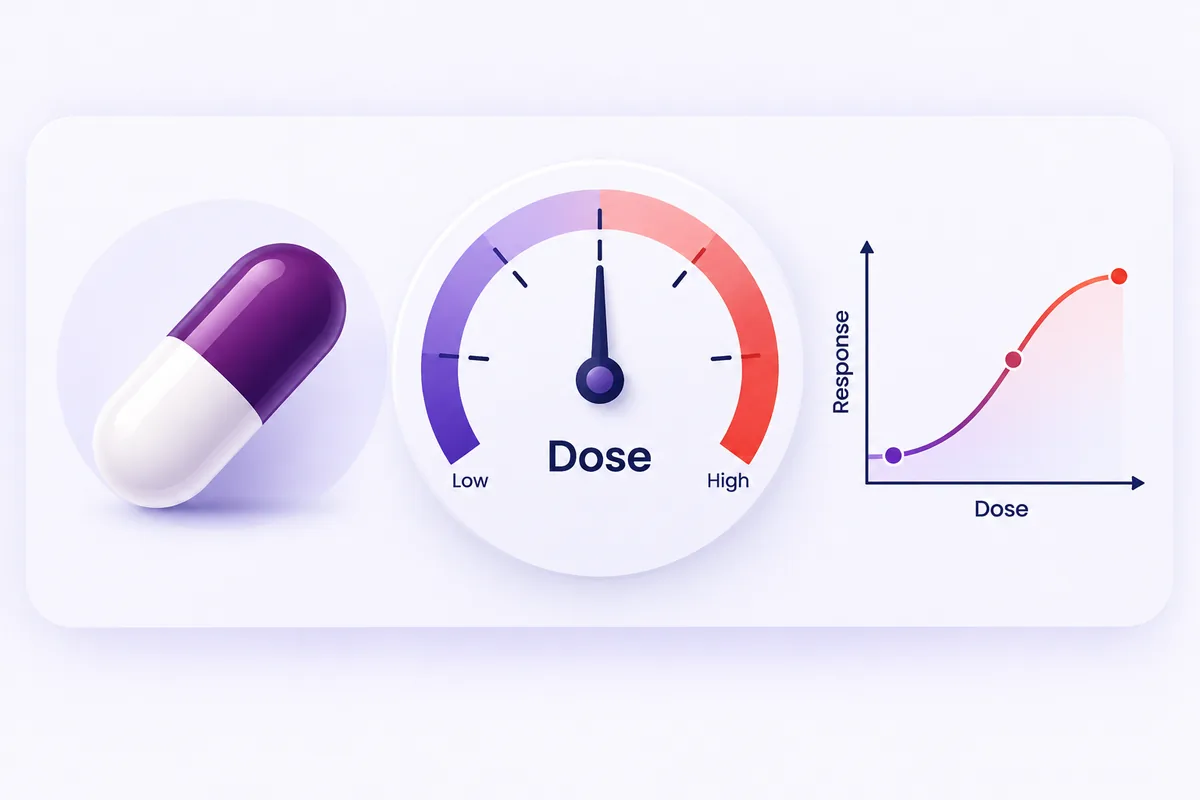
Reported problems range from lower desire and lower excitement to diminished or delayed orgasm and erection or ejaculation problems. The same Harvard Health article says SSRIs can make arousal harder to reach or sustain and can impair orgasm. Some people on SSRIs cannot have an orgasm at all. It adds that these symptoms tend to become more common with age.
The group is large. Mayo Clinic Proceedings reports that 1 in 6 women in the United States takes antidepressants, and a substantial proportion of patients report some disturbance of sexual function. The Merck Manual notes that SSRIs may cause sexual dysfunction in women.
The illness can affect sex too
The illness itself can affect sex. Harvard Health says about 35% to 50% of people with untreated major depression experience some type of sexual dysfunction before treatment. In some cases, the difficulty may stem from the depression and not from the drug.
That is why sexual function should be assessed before a medicine starts and monitored afterward. The Merck Manual says that sometimes, when depression is effectively treated, sexual dysfunction improves.
What to do about it
These steps combine advice from the sources. Most of it is about antidepressants, and the sources give no equivalent guidance for the other groups, so ask the prescriber. Harvard Health’s article is archived and shows no update date, so confirm current advice with a prescriber.

- Do not stop on your own. For antidepressants, Harvard Health warns that even a short break from the drug may cause a relapse and should not be tried without first consulting your doctor or therapist. The same caution is sensible for any prescribed medicine.
- Tell your prescriber. Bring a full list, including over-the-counter medicines and supplements, because providers ask about medications and supplements when looking for a cause.
- Note the timing. Several causes can overlap, including the illness itself, so it helps to say when the change began in relation to starting or changing a medicine.
- Consider waiting, if it is an SSRI. Sexual side effects sometimes subside with time, and Harvard Health says waiting can be a good strategy if the medicine is easing the depression significantly.
- Ask about options. A doctor may suggest a lower dose, scheduling sex around the time of the dose, switching to another drug, or adding a drug. A 2016 review also lists behavioral steps such as exercising before sex and psychotherapy.
- Consider therapy. Harvard Health says physical issues and psychological ones often become interwoven, and a sex therapist or general therapist can help couples communicate.
Frequently asked questions
Do SSRIs always cause sexual problems?
Not always. Sexual dysfunction is a common side effect of antidepressants, but the reported rate varies considerably between studies, so no single figure applies. Harvard Health says SSRIs can cause problems, which tend to become more common with age.
Will the side effects go away?
Sometimes. Harvard Health says sexual side effects sometimes subside with time, so it can be worth waiting to see whether problems diminish. Do not rely on this if the problem distresses you. Ask your prescriber.
Should I stop taking my medicine?
No, not without talking to the prescriber. A short break from some drugs may cause a relapse, and a doctor can explain how to stop and restart safely if that is chosen.
Can blood pressure medicines affect arousal?
Some can. Cleveland Clinic names some blood pressure medicines as a possible cause of erectile dysfunction. Planned Parenthood lists blood pressure medicines among medicines that can contribute to arousal problems. The sources do not say which ones or how often, so ask the prescriber before changing anything.
Are some antidepressants less likely to cause sexual problems?
Harvard Health says certain antidepressants are less likely to cause sexual problems. Whether to switch is a decision to make with the prescriber.
What to take from this
Medicines are one of several causes of changes in arousal, and the illness being treated can be another. Harvard Health’s first step is to talk with the doctor or therapist, and not to try a drug break without consulting them. A 2016 review stresses assessing sexual function before treatment and monitoring it afterward.
For the full list of causes and treatments, see difficulty getting aroused. Related pages cover stress and anxiety and the overview of sexual arousal.
Sources
- When an SSRI medication impacts your sex life - Harvard Health Publishing
- Neuroanatomy and function of human sexual behavior: A neglected or unknown issue? - Brain and Behavior (PMC)
- Sexual Dysfunction: Disorders, Causes, Types & Treatment - Cleveland Clinic
- Erectile Dysfunction (ED) - Merck Manual Consumer Version
- Genital Arousal Disorder - Planned Parenthood
- Antidepressant-associated sexual dysfunction: impact, effects, and treatment - Drug, Healthcare and Patient Safety (PMC)
- Antidepressant-Induced Female Sexual Dysfunction - Mayo Clinic Proceedings (PMC)
- Overview of Sexual Function and Dysfunction in Women - Merck Manual Consumer Version